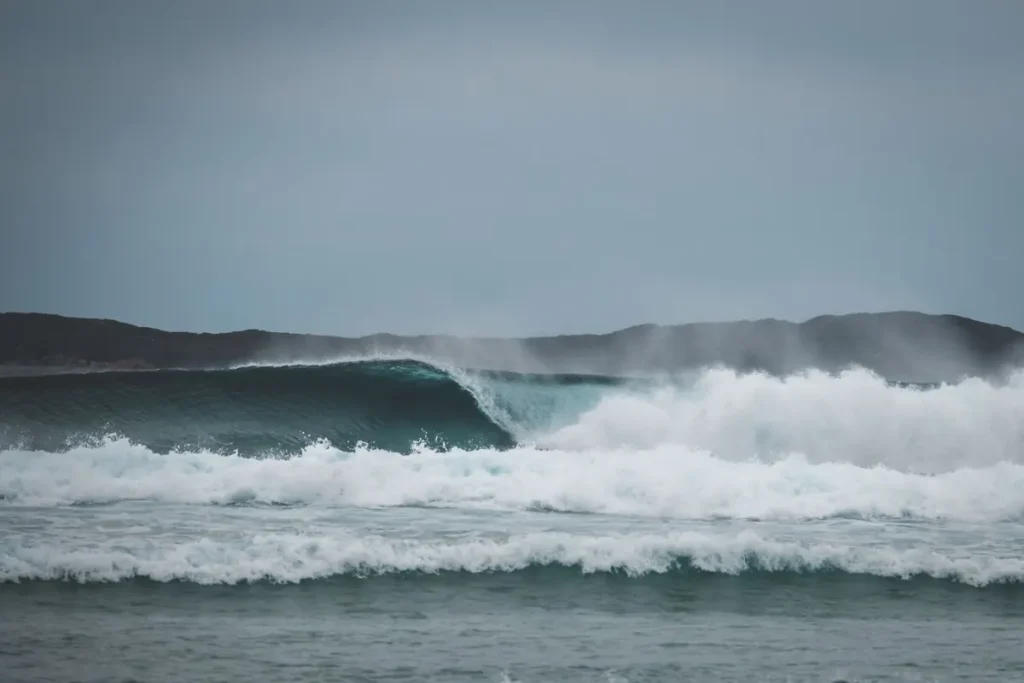
- Ideal swell direction: South to Southwest (SSW)
- Best wind direction: Offshore winds from the East
- Peak surf season: April to October
Understanding the Swell and Wind Dynamics at Nihiwatu

Nihiwatu, a renowned surf destination located on Sumba Island in East Nusa Tenggara, offers exceptional wave conditions that cater to surfers of all skill levels. The interplay between swell and wind direction plays a crucial role in determining the quality of the waves. Knowing the best conditions can make a significant difference in your surfing experience.
Swell Direction for Nihiwatu Wave

The primary swell direction that produces the most favorable waves at Nihiwatu is South to Southwest (SSW). This orientation allows for consistent and powerful swells to hit the reef breaks, resulting in well-formed waves that can reach impressive heights. Here’s a breakdown of how different swell directions affect the waves:
- South Swell (180°): Produces clean and powerful waves with excellent shape.
- Southwest Swell (200°): Offers varied wave sizes and shapes, making for an exciting surf experience.
- East or Northeast Swell: Typically results in choppy conditions and less desirable waves.
Wind Direction and Its Impact
Wind direction is equally crucial in shaping the surf conditions at Nihiwatu. Offshore winds bring clean conditions, while onshore winds can create choppy and messy surf. The ideal wind direction for Nihiwatu is from the East, as it helps to groom the waves and enhance their quality.
- Offshore Winds (East): Create smooth and organized waves, perfect for surfing.
- Onshore Winds (West): Generally lead to less favorable conditions and choppy surf.
Seasonal Patterns for Nihiwatu Surfing
The surf season at Nihiwatu runs predominantly from April to October, coinciding with the dry season in Indonesia. During this period, the winds and swells are typically more consistent, providing a reliable surfing experience. Here’s what to expect during each month:
- April to June: This is often considered the peak surfing season, with frequent SSW swells and favorable east winds.
- July to September: These months offer some of the most consistent surf conditions, with larger swells and excellent wind patterns.
- October: The swell begins to taper off, but conditions can still be good, especially in early October.
Traveling to Nihiwatu and Local Transportation
Reaching Nihiwatu involves a bit of travel, but it’s well worth the effort for the world-class surfing experience. The journey typically starts with a flight to Ngurah Rai International Airport in Bali, followed by a domestic flight to Tambolaka Airport on Sumba Island. Several airlines, such as Wings Air and Garuda Indonesia, offer flights from Bali to Sumba, with prices ranging from USD 100 to USD 200, depending on the season and booking time.
Once on the island, travelers can arrange transport to Nihiwatu, which is about a 2-hour drive (approximately 60 km) from the airport. Many surf charters include airport transfers in their packages, but if not, renting a car or hiring a local driver is advisable. The cost of hiring a driver can range from USD 50 to USD 70 for a one-way trip.
Accommodation Options Near Nihiwatu
While Nihiwatu itself is home to the exclusive Nihi Sumba Resort, which offers luxury accommodations starting at around USD 800 per night, there are more budget-friendly options available nearby. For those not staying at the resort, various guesthouses and homestays in the vicinity offer comfortable lodgings at more affordable rates, typically ranging from USD 20 to USD 50 per night.
These accommodations provide a more authentic Sumba experience and allow surfers to explore the local culture. Booking in advance is recommended, especially during the peak surf season, to ensure availability and secure the best rates.
Booking a Surf Charter in Nihiwatu
For those looking to experience the best waves in the Nihiwatu area, booking a private surf charter is an excellent option. Sumba Surf Charter offers tailored packages for surfers seeking to explore the coastline and hit the best reef breaks, including Nihiwatu. Here’s what you need to know about pricing and booking:
- Charter Pricing: Prices typically range from USD 900 to USD 1500 per week, depending on the package and group size.
- Capacity: Each charter can accommodate groups of up to 6 surfers.
- Included Services: Most charters include accommodations, meals, and guided surf tours to the best spots.
Exploring the Sumba Coastline by Charter
One of the highlights of booking a Sumba surf charter is the opportunity to explore the striking and often untouched coastline of Sumba. The charters provide access to remote surf breaks that are not easily reachable by land, offering a unique and adventurous surfing experience. Surfers can expect to find empty lineups and pristine beaches, making it an ideal choice for those looking to escape the crowded surf spots.
Charters typically operate out of the main harbor near Nihiwatu and venture to various surf spots along the coast, including the famed Occy’s Left, named after the legendary surfer Mark Occhilupo. The flexibility of a charter allows surfers to chase the best conditions and adapt to the ever-changing swell and wind patterns.
Practical Tips for Your Surf Trip
When planning a surf trip to Nihiwatu, it’s essential to consider a few practical tips to ensure a smooth and enjoyable experience. Firstly, while the dry season offers the best surf conditions, it’s also the busiest time for tourism, so booking flights, accommodation, and charters well in advance is advisable. Additionally, travelers should be prepared for limited connectivity in remote areas of Sumba, making it an excellent opportunity to disconnect and immerse in the natural beauty.
Bringing the right surfing gear is crucial, as local options may be limited. A surfboard suitable for reef breaks, a strong leash, and reef booties are recommended. Lastly, respecting local customs and engaging with the community can enrich your experience, as Sumba is known for its rich cultural heritage and friendly locals.