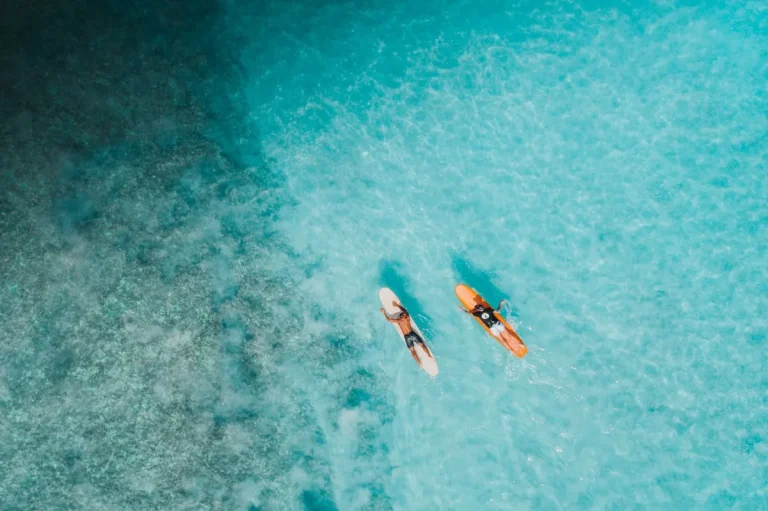
– Crowd Levels: Sumba sees fewer surfers, allowing for more wave opportunities.
– Wave Types: Sumba features unique reef breaks and consistent swells.
– Seasonal Variations: Sumba’s surf season runs from April to October, differing from Bali’s peak months.
Sumba vs Bali Surfing Conditions
When comparing Sumba and Bali, surfers quickly realize that each destination offers a unique surfing experience. While Bali is renowned for its world-class surf breaks, Sumba provides an alternative with less crowded conditions and a variety of wave types. This blog post will examine the surf conditions of both locations, helping you decide which might be more suitable for your surfing adventure.
Geographical Overview
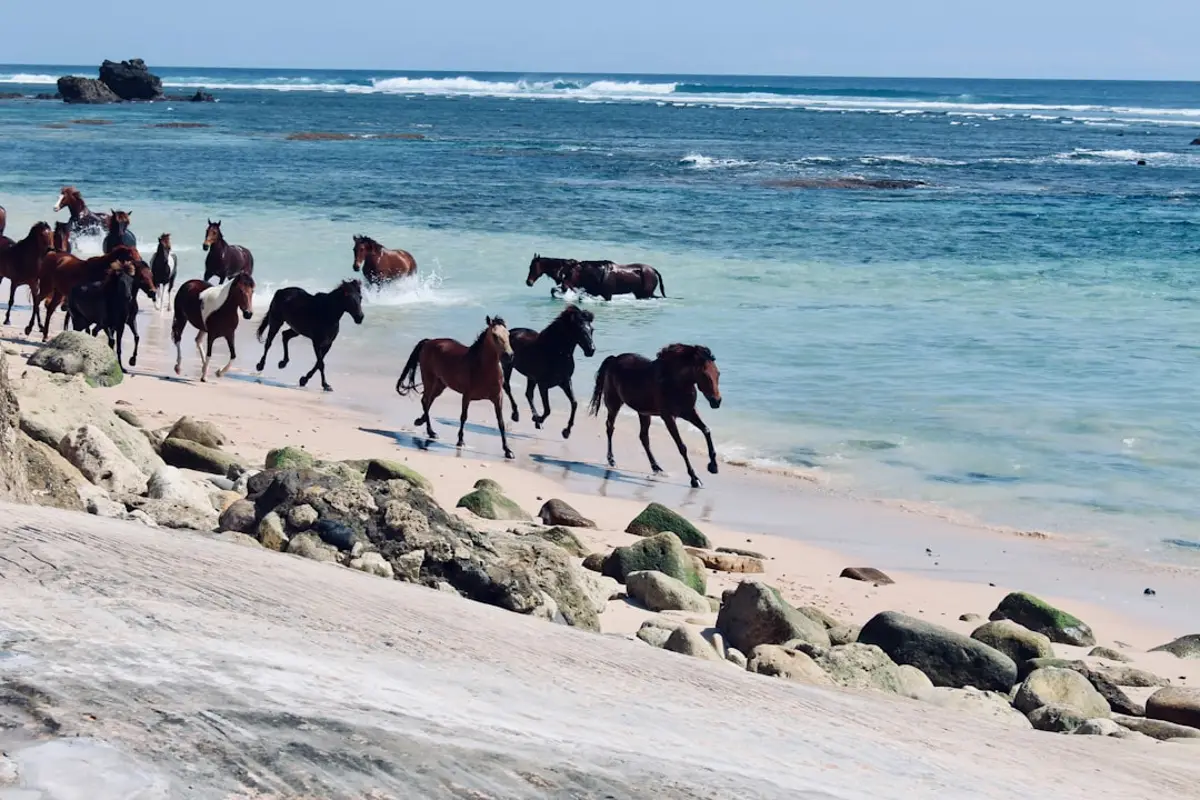
Sumba is an island in East Nusa Tenggara, located southeast of Bali. It offers a rugged coastline with numerous boat-accessible reef breaks. The most notable surf area in Sumba is around Nihiwatu, which has gained popularity for its consistent waves and pristine settings. In contrast, Bali’s coastline is filled with a variety of surf spots, including famous breaks like Uluwatu, Kuta, and Canggu.
Crowd Levels
One of the most significant advantages of surfing in Sumba is the reduced crowd size. Bali has become a hotspot for surfers worldwide, leading to packed lineups, especially during peak seasons. In Sumba, you can expect to share the waves with fewer surfers, which allows for more waves per session and a more relaxed atmosphere.
Surfing in Bali
- Uluwatu: Known for its powerful waves, Uluwatu can be heavily crowded, especially during the dry season.
- Kuta: A popular choice for beginners, Kuta Beach sees a constant influx of surfers, making it difficult to find your own space.
- Canggu: This area is famous for its beach breaks but has become increasingly popular, leading to busy conditions.
Surfing in Sumba
- Nihiwatu: Offers consistent waves and tends to be less crowded, providing a more serene surfing experience.
- Boat-accessible reefs: Many breaks can only be reached by boat, which limits the number of surfers.
- Local surfers: While there are local surfers, the overall numbers are significantly lower than in Bali.
Wave Types
Both Sumba and Bali feature a variety of wave types, but there are notable differences in quality and consistency.
Sumba’s Unique Reef Breaks
Sumba offers a range of reef breaks that cater to different skill levels. The waves are less predictable than Bali’s, but when conditions align, they can deliver exceptional rides. Here are a few highlights:
- Occy’s Left: A world-class left-hand reef break that can produce powerful waves, perfect for experienced surfers.
- Marosi: Known for its fast and hollow waves, making it ideal for advanced surfers looking for a challenge.
- Jack’s Place: A more mellow wave, suitable for intermediate surfers, with a beautiful backdrop.
Bali’s Main Breaks
Bali is famous for its consistent surf conditions, making it a go-to destination for surfers of all levels. The following breaks are among the most popular:
- Padang Padang: A renowned right-hand reef break that attracts surfers seeking hollow waves.
- Keramas: Known for its fast, punchy waves, this beach break is ideal for skilled surfers.
- Bingin: A challenging reef break that can produce heavy waves, recommended for advanced surfers.
Seasonal Variations
The surf seasons in Sumba and Bali differ, which can affect your choice of destination depending on when you plan to visit.
Sumba Surf Season
Sumba’s prime surf season runs from April to October. During these months, the island experiences consistent swells, making it the ideal time for surfers. The trade winds from the southeast create favorable conditions for the left and right reef breaks. In terms of pricing, charter options typically range from USD 100 to USD 150 per person per day, depending on the package and services included.
Bali Surf Season
Bali’s surf season is divided into two main periods:
- Dry Season (April to October): This is the peak season for surfing in Bali, with consistent swells and favorable wind conditions. Expect higher prices and crowded beaches.
- Wet Season (November to March): While still surfable, this period features less consistent waves and more rain. Prices may be lower, but conditions can be hit or miss.
Getting to Nihiwatu: Travel Tips
Reaching Nihiwatu in Sumba requires a bit more planning compared to Bali’s well-trodden paths. Nihiwatu is approximately 390 kilometers east of Bali. The most common route involves flying from Bali’s Ngurah Rai International Airport (DPS) to Tambolaka Airport (TMC) in Sumba. Flights are operated by airlines such as Garuda Indonesia and Lion Air, with prices ranging from USD 100 to USD 200 for a round trip, depending on the season.
Once you arrive at Tambolaka Airport, Nihiwatu is about 55 kilometers away, which is around a 1.5 to 2-hour drive. Many surf charters and resorts offer pick-up services, ensuring a smooth transition from the airport to the waves.
Choosing the Right Surf Charter
When it comes to selecting a surf charter in Sumba, there are several factors to consider, including the type of waves you’re seeking, the duration of your stay, and your budget. Surf charters in Sumba often include accommodation, meals, and transportation to various breaks. For example, a 7-day package might cost around USD 1,200 to USD 1,500 per person, inclusive of all amenities.
It’s advisable to book in advance, especially during the peak surf season, to secure your spot. Many charters offer customizable itineraries, allowing you to focus on your preferred surf breaks and even incorporate cultural excursions to explore Sumba’s rich heritage.
Local Culture and Off-Wave Activities
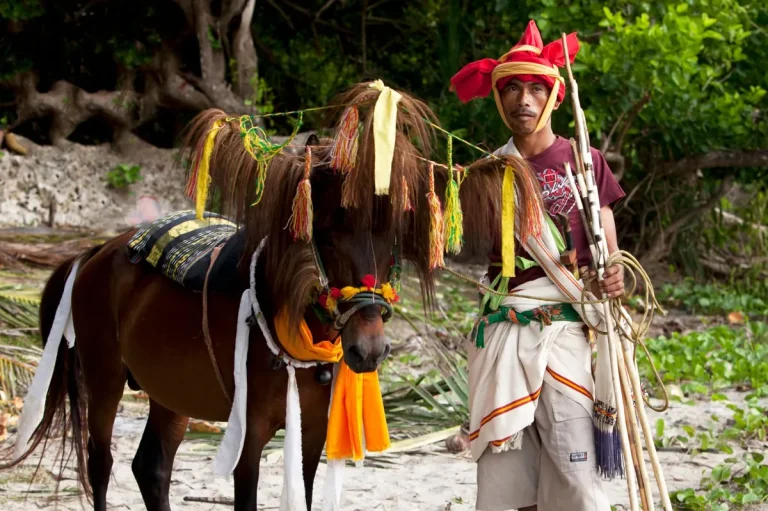
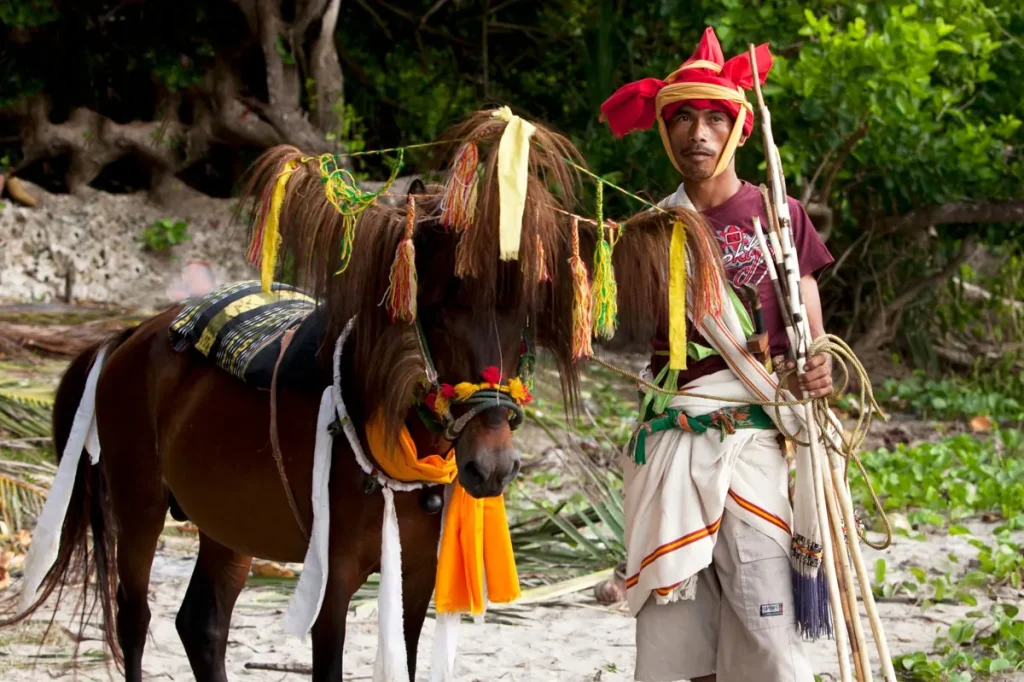
While surfing is a major draw, Sumba offers much more for those interested in cultural experiences. The island is known for its traditional villages, where you can witness the unique architecture and rituals of the local Sumbanese people. Visiting the village of Prailiu or attending the Pasola Festival, a traditional horseback battle, can be a fascinating addition to your surfing trip.
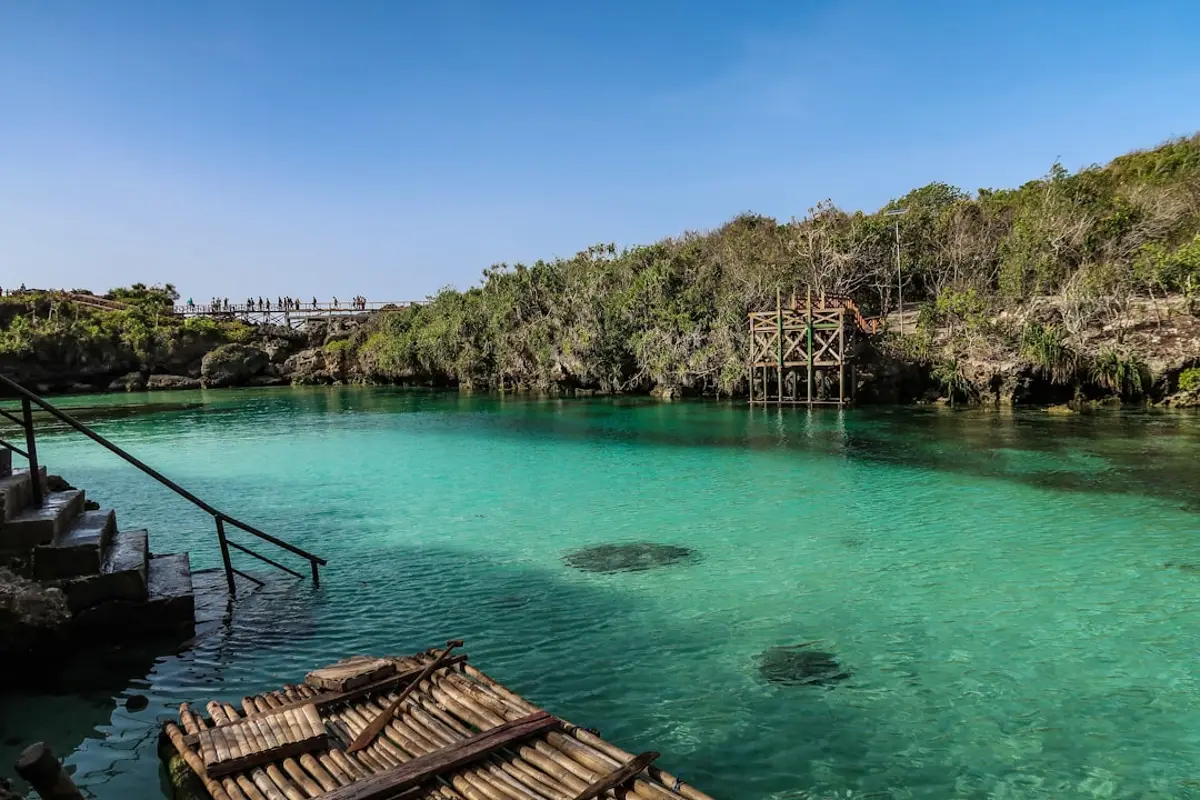
For a more leisurely day, consider exploring the natural beauty of the island. Weekuri Lake, located approximately 60 kilometers from Nihiwatu, is a striking saltwater lagoon perfect for a refreshing swim. Entrance fees are minimal, usually around USD 2 per person.
Booking Your Surf Charter in Sumba
For those interested in surfing Sumba, booking a private surf ch