- Peak surf season: May to September
- Best swells: 4-10 feet depending on the spot
- Charter pricing starts from USD 1,000 per week
Understanding Sumba’s Surf Seasons
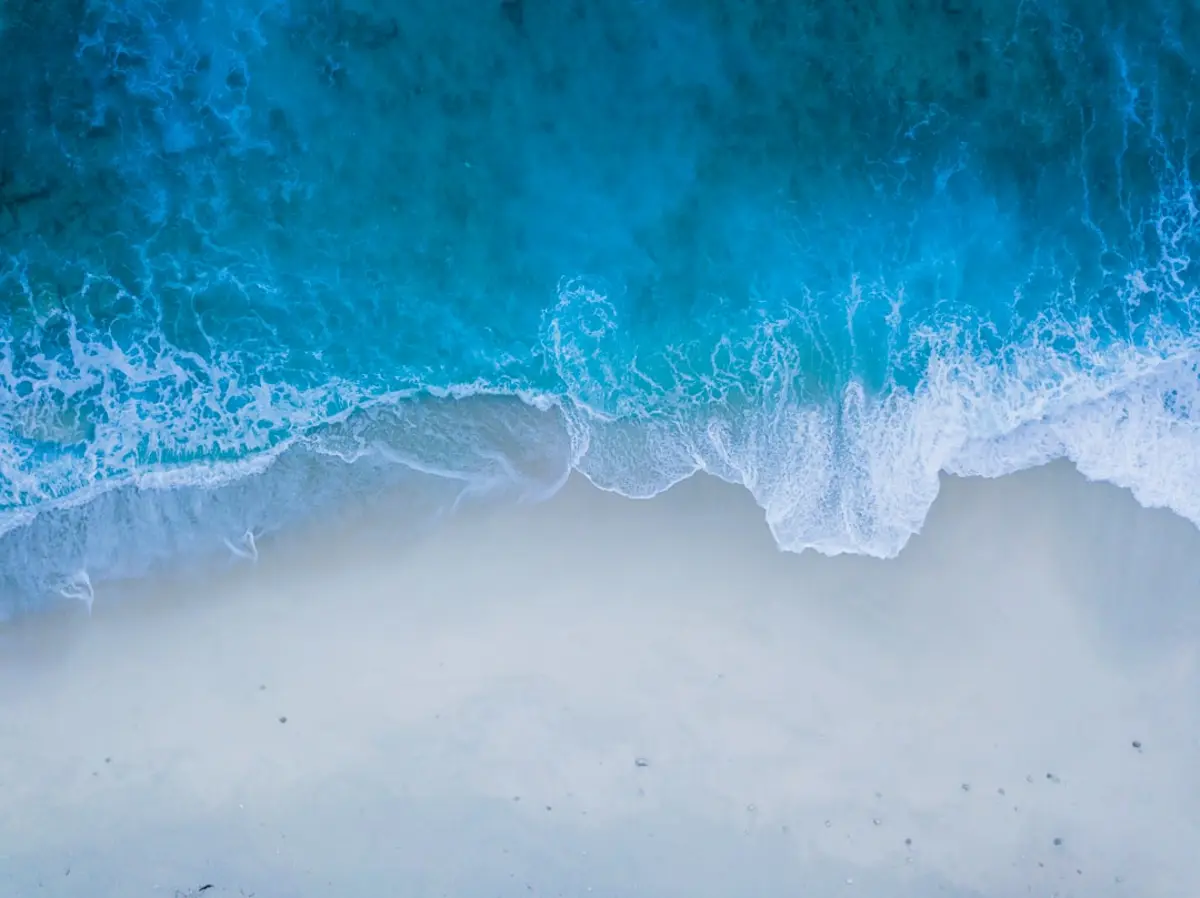
Sumba, located in East Nusa Tenggara, Indonesia, is known for its diverse surf breaks and consistent waves. The surf season is generally divided into two main periods: the dry season and the wet season, each offering unique opportunities for surfers of all skill levels.
Dry Season (May to September)
The dry season is considered the prime surfing period in Sumba. During these months, the trade winds blow from the southeast, creating optimal conditions for surfing.
- Best Swells: The average swell size ranges from 4 to 10 feet. Spot-specific conditions can produce even larger swells, particularly at renowned breaks.
- Wind Conditions: The wind is generally offshore, providing clean and well-formed waves, ideal for both shortboard and longboard surfing.
- Water Temperature: Typically around 26-28°C (79-82°F), making a short wetsuit optional but comfortable.
Wet Season (October to April)
The wet season brings more rain and variable conditions, but it can also be an excellent time for experienced surfers looking to avoid crowds.
- Best Swells: Swell sizes can drop to 3-6 feet, with occasional larger swells, depending on the weather systems.
- Wind Conditions: Winds can be unpredictable, switching from onshore to offshore, which may affect wave quality.
- Epic Spots: Some lesser-known breaks come alive during this season, offering unique challenges for adventurous surfers.
Key Surf Spots in Sumba
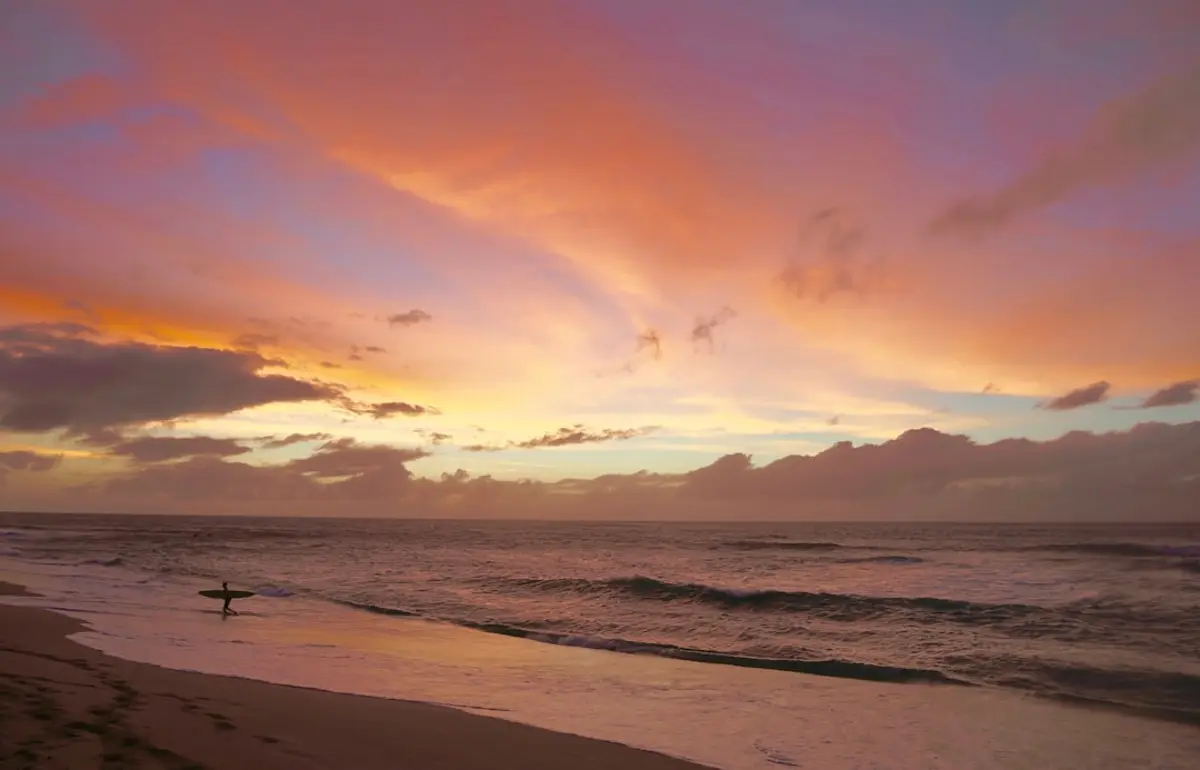
Sumba is home to a variety of surf spots, each with its own character. Here are some of the most notable:
- Nihiwatu: A world-renowned surf destination with consistent waves and beautiful scenery. The waves here can reach up to 10 feet during peak season.
- Tarimbang: Known for its long left-handers, Tarimbang is perfect for intermediate to advanced surfers seeking a challenge.
- Occy’s Left: A premier break that offers powerful left-hand waves, it is best surfed on mid to high tide.
- Marosi: A reef break that caters to various skill levels, offering both left and right-hand waves.
Booking Your Surf Charter
Chartering a boat for surf exploration is an excellent way to access Sumba’s diverse breaks. Here are some important details regarding charters:
Pricing
Charter prices generally start from USD 1,000 per week for a private group. This includes accommodation, meals, and surf guiding.
- Inclusions: Most charters offer surf guiding, equipment storage, and sometimes rental options.
- Capacity: Charters can accommodate groups of 4-10 surfers, making it ideal for friends or family trips.
- Extras: Some charters may offer additional activities such as fishing, snorkeling, or cultural tours.
How to Book
To secure your surf charter, follow these steps:
1. Visit our website and review the available charter options.
2. Choose your preferred dates and package.
3. Fill out the booking form with your details.
4. Confirm your reservation with a deposit.
For more details on current rates and booking specifics, see current rates.
Getting to Sumba
Reaching Sumba involves a bit of travel, but the journey is well worth it for the world-class surf awaiting you. The primary gateway to Sumba is Tambolaka Airport (TMC), located in the western part of the island. Most travelers fly into Bali’s Ngurah Rai International Airport (DPS) and take a connecting flight to Tambolaka. Airlines such as Wings Air and Nam Air operate daily flights, with prices ranging from USD 60 to USD 120 depending on the season and booking time.
Once on the island, you can hire a private car or take a taxi to your accommodation or directly to the surf charter meeting point. The drive from Tambolaka to Nihiwatu, one of the popular surf spots, takes approximately 2 hours and covers a distance of about 90 kilometers.
Accommodation Options in Sumba
While booking a surf charter usually includes accommodation, some surfers prefer to stay on land. Sumba offers a range of options from luxury resorts to budget-friendly guesthouses.
– Nihi Sumba: This luxury resort is located near the renowned Nihiwatu surf break, offering exclusive access to the waves. Prices start from USD 900 per night, including meals and some activities.
– Sumba Nautil Resort: Situated near Marosi Beach, this mid-range option offers comfortable rooms and easy access to a variety of surf spots. Prices range from USD 100 to USD 150 per night.
– Local Homestays: For a more authentic experience, consider staying at a local homestay in villages like Pero or Kodi, where prices can be as low as USD 30 per night, providing a unique cultural immersion.
When to Book Your Surf Charter
To ensure you get the best experience, it’s advisable to book your surf charter well in advance, especially if you plan to visit during the peak dry season. Booking at least 3 to 6 months ahead is recommended to secure your desired dates and charter choice. During the wet season, there might be more flexibility, but it’s still wise to plan ahead to avoid last-minute disappointments.
Legal Considerations
Surfing in Sumba is legal and regulated. However, surfers should respect local customs and regulations. It is advisable to follow guidelines set by surf charter operators and local authorities to ensure a safe and enjoyable experience.
Navigating Sumba’s Unique Surf Seasons
Explore an range of surfing experiences with Sumba’s distinct surf seasons and swell windows. The dry season offers pristine surfing conditions with consistent swells, ideal for those seeking perfect waves. In contrast, the wet season presents unique challenges with variable conditions that can test even seasoned surfers. Take advantage of the diverse breaks and efficient charter services available, ensuring you find waves that match your skill level. Ready to embrace Sumba’s exhilarating surf culture? Start planning your adventure by visiting our FAQ or home page.