- Water temperature averages: 26-30°C
- Recommended wetsuits: 2mm shorty or no suit in warmer months
- Best surf months: May to September
Understanding Sumba’s Water Temperatures
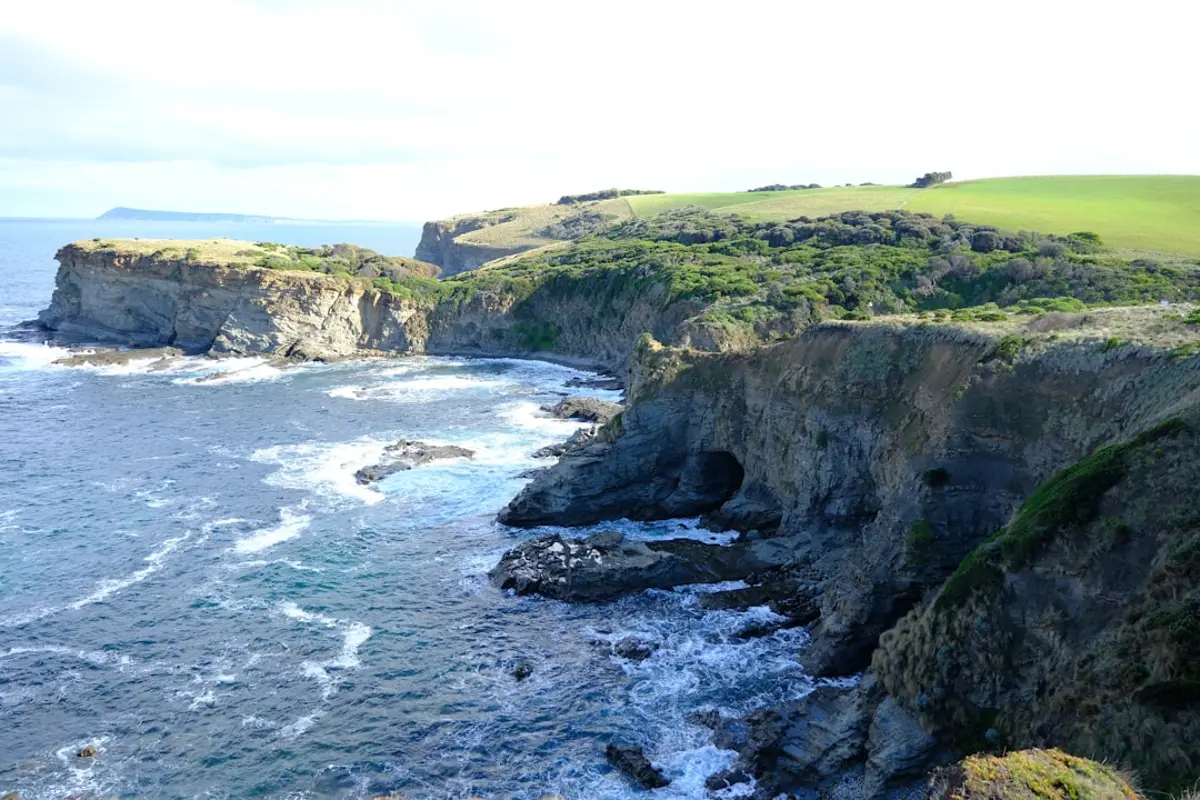
Sumba Island, located in East Nusa Tenggara, Indonesia, is known for its exceptional surf conditions and diverse marine life. The water temperature is a crucial aspect for surfers planning their trips, as it determines the type of wetsuit or surf attire needed. Understanding these temperatures will help you pack appropriately for your surf charter experience.
Seasonal Water Temperatures
Throughout the year, Sumba experiences relatively stable water temperatures, making it a prime destination for surfing. Here’s a breakdown of the seasonal averages:
- January to March: 28-30°C (82-86°F)
- April: 27-29°C (81-84°F)
- May to September: 26-28°C (79-82°F)
- October to December: 28-30°C (82-86°F)
The warmest months are typically January through March and October through December, while the cooler water is experienced from May to September. This slight fluctuation is important for surfers to consider when deciding what to wear while catching waves.
Wetsuit Recommendations
Given the water temperature ranges, different wetsuit options are available for surfers visiting Sumba:
- 2mm Shorty Wetsuit: Best suited for the cooler months of May to September, when temperatures hover around 26-28°C. This option provides enough warmth while allowing freedom of movement.
- Rash Guard or Board Shorts: Recommended during the warmer months (January to March and October to December), when temperatures rise to 28-30°C. This combination is perfect for surfers who prefer a more minimalistic approach.
- Spring Suit (3/2mm): For those who easily feel cold or plan to surf early in the morning or late in the evening, a spring suit can offer extra warmth without being too cumbersome.
Surf Seasons in Sumba
The surfing season in Sumba is primarily dictated by the winds and swells, which are influenced by its geographical location. Here’s what you need to know about the surf seasons:
- Dry Season (May to September): This is the peak surfing season, characterized by consistent swells and favorable wind conditions. Expect excellent wave quality, making it a favorite time for surfers.
- Wet Season (October to April): While the waves can still be good, conditions can be less predictable. However, you may find fewer crowds and the chance for more local experiences.
Booking Your Surf Charter
For surfers looking to experience the waves along the Sumba coastline, booking a private surf charter can enhance your trip. Here are some details regarding pricing and how to book:
- Charter Prices: Prices generally range from USD 100 to USD 200 per person per day, depending on the services included (meals, gear rental, etc.).
- Duration: Charters typically last from a few days to a week, allowing surfers to explore different surf spots.
- Booking Process: Interested surfers can easily book their charter through our website or contact us directly for tailored experiences.
Surfing Spots in Sumba
Sumba offers a variety of surf breaks that cater to different skill levels. The Nihiwatu area is particularly renowned for its reliable waves. Below are some notable spots:
- Nihiwatu: Famous for its powerful left-hand wave, ideal for experienced surfers.
- Tarimbang: Offers options for various skill levels, with both reef breaks and beach breaks.
- Kerewe: Less crowded, providing a more relaxed surfing experience.
Getting to Sumba for a Surf Charter
Traveling to Sumba for a surf charter involves a few steps, but it’s well worth the adventure. Most international travelers will fly into Bali’s Ngurah Rai International Airport (DPS). From Bali, you can catch a domestic flight to Tambolaka Airport (TMC) on Sumba Island. The flight duration is approximately 1.5 hours, with ticket prices ranging from USD 70 to USD 150 depending on the season and airline.
Once you arrive at Tambolaka, you can arrange for a transfer to your accommodation or directly to the charter boat. Transfers can be organized through your surf charter company or independently, with prices typically around USD 20 to USD 50 depending on the distance and type of vehicle.
Accommodation Options Near Nihiwatu
When planning a surf trip to Sumba, it’s essential to consider where you’ll be staying. Near Nihiwatu, a range of accommodation options is available to suit different budgets:
- Nihiwatu Resort: Known for luxury and exclusivity, prices start at around USD 1,500 per night. This resort offers private beach access, making it ideal for surfers looking for a premium experience.
- Local Guesthouses: For a more budget-friendly option, local guesthouses and homestays charge around USD 30 to USD 70 per night. These provide a more authentic experience and the opportunity to engage with local culture.
- Mid-range Hotels: Prices range from USD 100 to USD 300 per night. These hotels offer comfortable accommodations with amenities like Wi-Fi and air conditioning, perfect for travelers seeking a balance between comfort and cost.
Choosing the Right Wetsuit for Sumba’s Surfing Conditions
In Sumba, water temperatures generally hover between 26°C to 29°C (79°F to 84°F), which means most surfers enjoy the waves in board shorts or spring suits. However, if you’re surfing early in the morning or during occasional cooler months, a 2mm shorty wetsuit can offer extra comfort. Make sure to research local surf spots, as some areas might have different conditions. For further trip details, visit our FAQ page.