Title: What to expect surfing Sumba during the wet season
Need ~253 more words.
- Surf season runs from November to March.
- Reef breaks can handle larger swells.
- Boat charters provide access to remote spots.
Understanding Sumba’s Wet Season
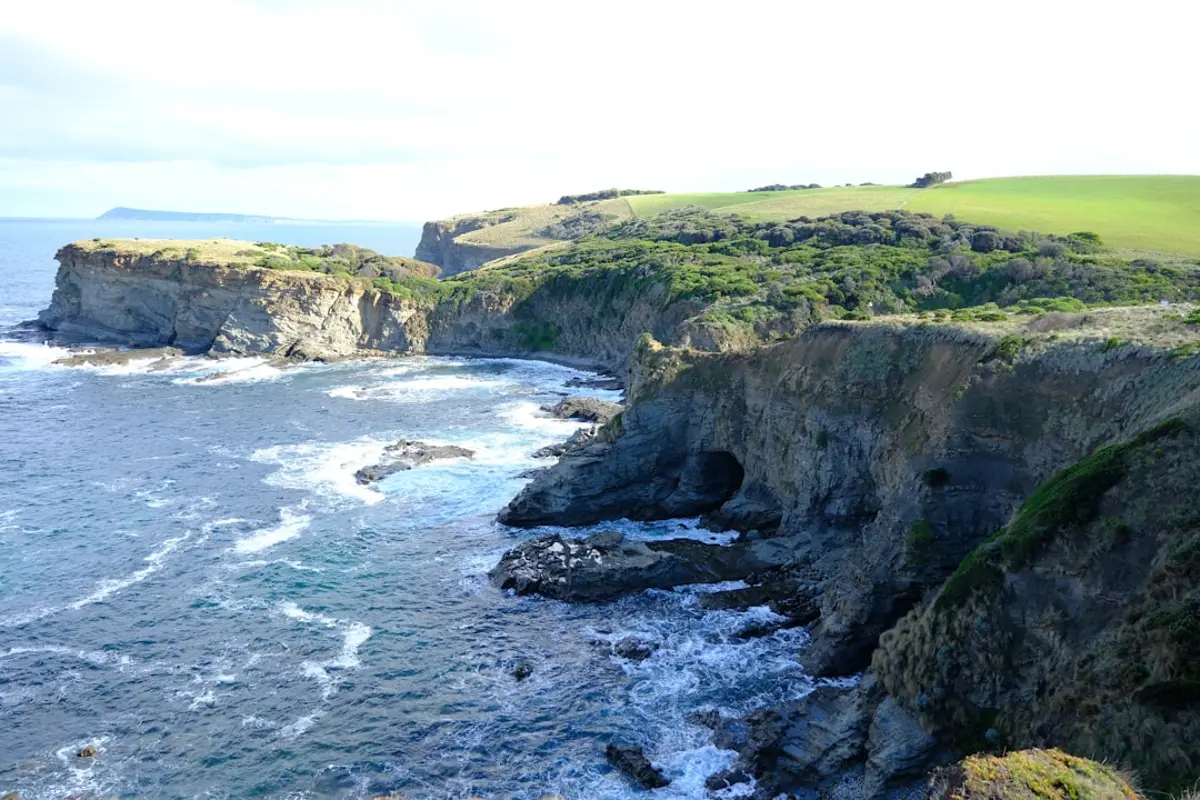
Sumba experiences its wet season from November to March. This period is characterized by increased rainfall, but it also brings consistent swells that can be ideal for experienced surfers. The wet season can be a great time to experience the island’s surf culture, as it generally sees fewer surfers on the water.
Surfing Conditions During the Wet Season
The wet season on Sumba is marked by significant changes in surfing conditions. Here’s what you can expect:
Swells and Wave Quality
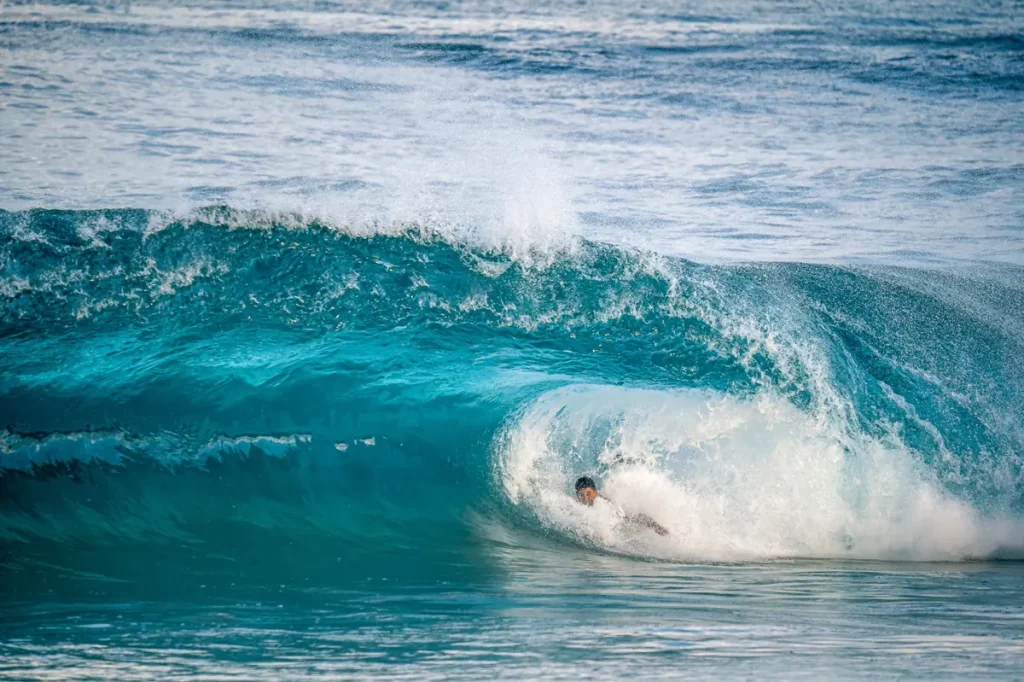
– Wave Height: During the wet season, you can expect wave heights ranging from 4 to 10 feet, depending on the specific conditions. The east coast generally has more consistent swells due to prevailing winds and ocean currents.
– Reef Breaks: The reef breaks around Sumba, especially in the Nihiwatu area, can handle larger swells efficiently, providing powerful and challenging waves that cater to intermediate and advanced surfers.
– Conditions: The surf can be more unpredictable during the wet season, but this can lead to discovering pristine conditions. The winds tend to be lighter, especially in the mornings, allowing for clean surf sessions.
Weather Considerations
– Rainfall: Expect some rainfall, but it often comes in short bursts. This means you can enjoy sunny skies followed by brief showers.
– Humidity: The humidity levels increase during this time, which can make the air feel warmer and affect your energy levels while paddling out.
– Temperature: Water temperatures typically range between 26°C to 29°C (79°F to 84°F), making it comfortable for surfing without a wetsuit.
Benefits of Surfing Sumba During the Wet Season
Surfing Sumba in the wet season comes with several advantages:
Fewer Crowds
The wet season generally sees fewer surfers on the waves compared to the peak dry season. This allows for more space in the lineup and the opportunity to enjoy uncrowded surf sessions.
Affordable Pricing
During the wet season, many surf charters and accommodations offer reduced prices. For instance, private surf charters can range from USD 750 to USD 1,200 per week, depending on the package and amenities included. This can make it an attractive time for budget-conscious surfers looking to make the most of their trip.
Access to Remote Spots
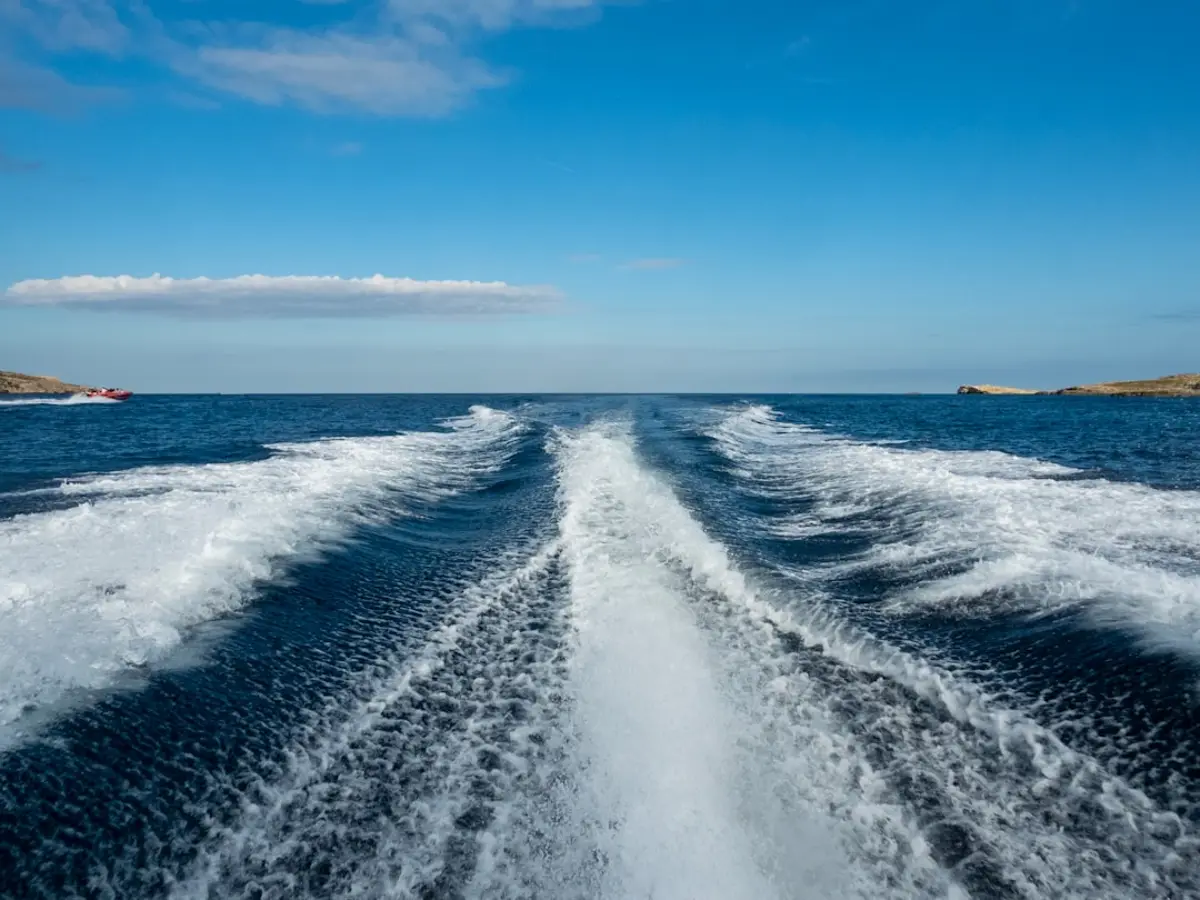
Boat-access surf breaks become more accessible during the wet season. Chartering a boat allows surfers to reach less-traveled spots that are often untouched, offering a unique surfing experience. Popular breaks can be found in the Nihiwatu area, which is famous for its quality surf.
Charter Options and Pricing
For those looking to surf Sumba during the wet season, private surf charters are an excellent option. Here’s a breakdown of what you can expect regarding pricing and booking:
Charter Packages
– Standard Packages: Typically include accommodations, meals, and daily surf trips. Prices range from USD 750 to USD 1,200 per week, depending on the level of luxury and included services.
– Luxury Packages: These might offer more amenities, personal guides, and additional activities. Prices can go up to USD 2,500 or more per week.
– Boat Access: Most surf charters provide boat access to various surf spots along the Sumba coastline, ensuring that surfers can explore multiple breaks without hassle.
How to Book
Booking a surf charter in Sumba is straightforward. You can visit our booking details page for more information on how to secure your spot. It is advisable to book in advance, especially if you are traveling during the peak of the wet season.
Safety and Legal Considerations
While surfing in Sumba during the wet season is generally safe, it’s essential to be aware of certain factors:
Legal Status of Surfing
Surfing is legally permitted in Sumba, and the local government supports tourism and related activities. However, it’s always advisable to respect local customs and regulations while surfing, including the etiquette of sharing waves with other surfers.
Health and Safety Precautions
– Surfing Experience: The wet season’s conditions can be challenging, so it’s best suited for intermediate to advanced surfers. Beginners may find some breaks too demanding.
– Health Precautions: Be aware of potential health risks associated with rainy weather, such as waterborne illnesses. Ensure you have appropriate vaccinations and consider travel insurance that covers health issues related to surfing.
Exploring Nihiwatu: Surf and Stay
Nihiwatu, located on the western coast of Sumba, is renowned for its luxurious resort and world-class surf break, Occy’s Left. The resort offers exclusive access to this legendary wave, with daily surf passes available for guests. Staying at the resort can cost around USD 900 per night, offering a blend of luxury and adventure.
Local Culture and Attractions
Sumba is not just about surfing; its rich culture and natural beauty are also worth exploring. Visitors can take a break from the waves to explore traditional villages like Prai Ijing, located about 30 km from Nihiwatu. Here, you can witness the unique Sumbanese architecture and ancient megalithic tombs. The village entrance fee is approximately USD 2.
Getting Around Sumba
While charter boats are essential for accessing remote surf spots, renting scooters or cars is a convenient way to explore the island. Scooter rentals cost around USD 10 per day, while car rentals are approximately USD 40 per day. The island’s roads can be rugged, so it’s recommended to hire a local driver if you’re unfamiliar with the terrain.
Best Time to Visit Sumba
While the wet season offers unique surfing opportunities, understanding the best time to visit Sumba can enhance your experience. Aside from the wet season, the dry season from April to October is also popular, with smaller crowds and more predictable weather patterns. However, visiting during the wet season provides a chance to enjoy the island’s lush landscapes and vibrant greenery, making it a worthwhile experience for adventurous surfers.