The Definitive Sumba Surf Charter Guide

The Sumba Surf Charter provides exclusive access to Sumba’s dynamic reef breaks via private boat charters. Key highlights include:
– Boat-access only to prime surf locations
– Proximity to the renowned Nihiwatu waves
– Seasonal insights for optimal surf conditions

The sound of waves crashing against the shore and the scent of salty sea air envelops you as you set sail towards the fabled surf breaks of Sumba. Here, the ocean’s energy and the island’s tranquility create a perfect haven for the adventurous surfer.

Understanding Sumba Surf Charter

Rugged Sumba coastline with surf wrapping into a remote bay
Photo: Walter Coppola / Unsplash

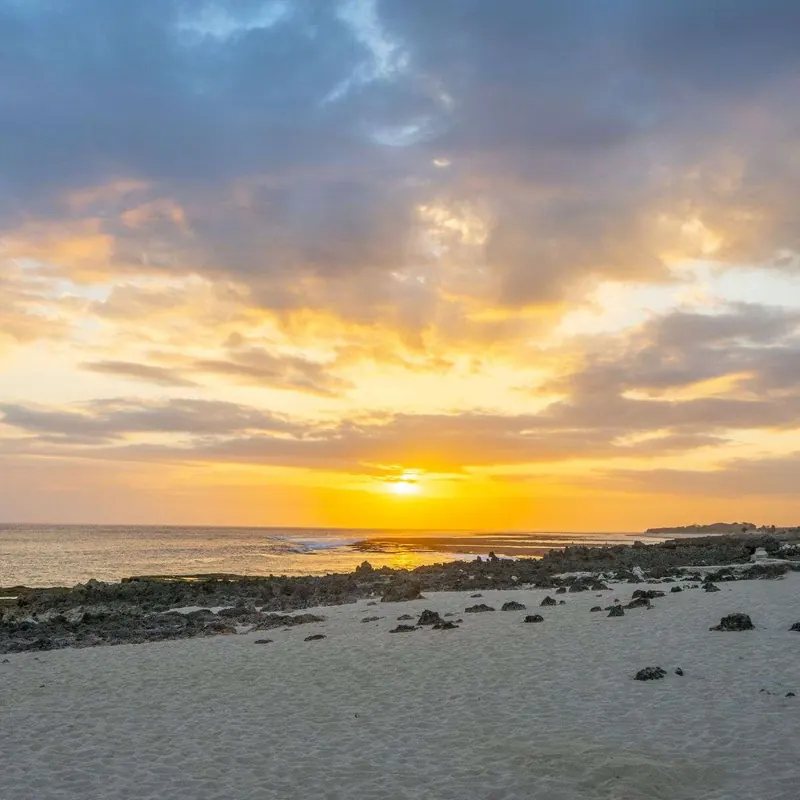
Sumba Surf Charter offers a unique opportunity to explore Sumba’s pristine coastline and its renowned surf spots, accessible only by boat. The island, located in East Nusa Tenggara, Indonesia, offers some of the best reef breaks that attract surfers from around the globe. With boat charters, surfers can reach secluded spots that are otherwise off-limits, ensuring an exclusive surfing experience. The island’s coastline stretches over 200 kilometers, featuring varied wave conditions that cater to different skill levels. Understanding the local regulations and obtaining necessary certifications, such as the Indonesian Surf Charter License, is crucial for a seamless adventure.

Prime Surfing Locations Accessible by Boat

A surf-charter speedboat running out to a boat-access reef break
Photo: Nick Fewings / Unsplash

One of the most famous surf spots accessible through the Sumba Surf Charter is Nihiwatu, a left-hand reef break known for its consistent and powerful waves. Nihiwatu has been rated as one of the best surf spots in the world and offers waves reaching up to 10 feet. Other notable locations include Marosi, a versatile wave suitable for both beginners and experienced surfers, and Watu Bella, which provides challenging conditions for seasoned surfers. Sumba’s reef breaks are predominantly boat-accessed, making them less crowded and providing a more intimate surfing experience.

Choosing the Right Charter Boat

Selecting the right charter boat is essential for a successful surfing trip. Options range from luxury yachts to more budget-friendly traditional Indonesian phinisi boats. Each offers different amenities, such as onboard accommodation, experienced crew, and professional surf guides. Prices can vary significantly, with luxury charters costing upwards of USD 5,000 per week, while more economical choices start around USD 2,500. Consider factors like group size, desired comfort level, and package inclusions when making your choice. Ensure the charter company has valid certifications and adheres to local maritime regulations.

Optimal Surfing Seasons and Conditions

Sumba’s surf season primarily runs from April to October when the Indian Ocean swells deliver consistent waves. During this period, the trade winds predominantly blow offshore, creating ideal surfing conditions. Wave heights average between 3 to 6 feet, but can exceed 10 feet during peak swells. The dry season, from May to September, offers the most reliable conditions, while the months of November to March see fewer surfers due to the rainy season and less predictable swells. Planning your trip around these seasons ensures the best possible surfing experience.

Local Culture and Etiquette

When visiting Sumba, it’s important to respect the local culture and customs. The island is inhabited by the Sumbanese people, who have a rich cultural heritage. Visitors should be mindful of local traditions and dress modestly, especially when visiting villages or attending cultural events. Understanding a few basic phrases in Bahasa Indonesia can also enhance interactions with locals. Additionally, it’s customary to ask for permission before taking photographs of people or sacred sites. Engaging respectfully with the local community not only enriches your experience but also supports sustainable tourism practices.

Logistics and Travel Tips

Getting to Sumba requires some planning, as the island is relatively remote. The most common route is to fly into Tambolaka Airport (TMC) from Bali’s Ngurah Rai International Airport (DPS), with flights operated by airlines such as Wings Air and Nam Air. Tickets typically range from USD 100 to USD 200, depending on the season. Once on the island, transportation options include renting a scooter or hiring a local driver. It’s advisable to book accommodations and charters in advance, especially during the peak surf season. Packing essentials like reef-safe sunscreen, a first-aid kit, and spare surf gear can ensure a smooth trip.

Exploring Beyond the Waves

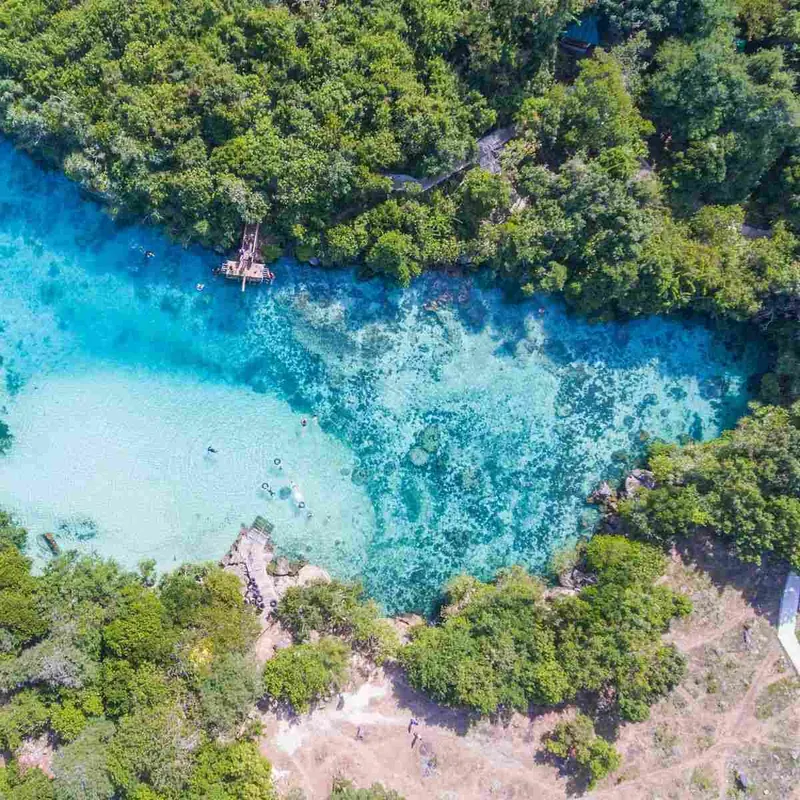
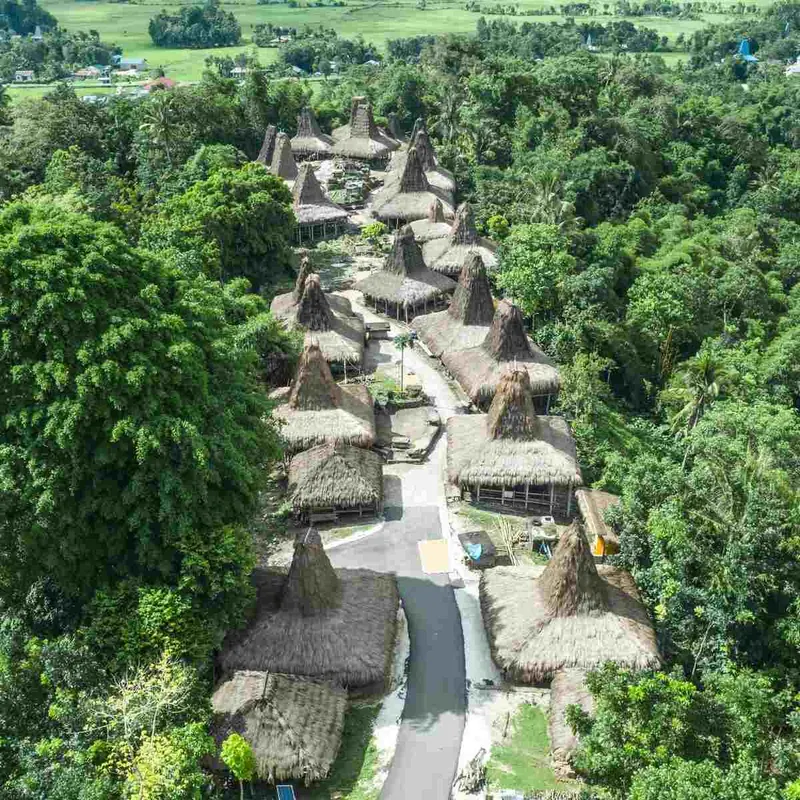
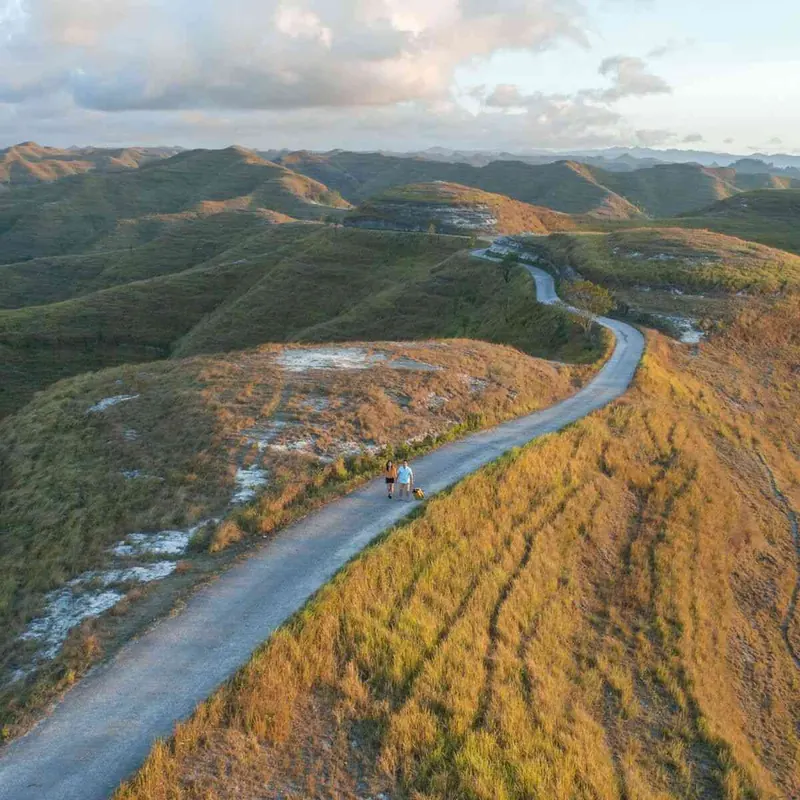
While Sumba is a surfer’s sanctuary, the island offers much more than just waves. Venture inland to experience the striking landscapes and rich culture of Sumba. Visit the traditional village of Ratenggaro, where you can explore unique thatched houses and ancient stone tombs. For nature enthusiasts, the Weekuri Lake, a striking saltwater lagoon, is a must-visit. Here, you can swim in crystal-clear waters surrounded by lush greenery. Entrance fees to attractions like Weekuri Lake are typically around USD 1 to USD 2, making them affordable additions to your itinerary. With a scooter or pr

Accommodation Options Near Nihiwatu

For surfers looking to stay close to the action, several accommodation options are available near Nihiwatu. The Nihiwatu Resort, now known as Nihi Sumba, offers luxury villas with striking ocean views, infinity pools, and private beach access. Prices start at approximately USD 900 per night, providing an all-inclusive experience with meals and activities. For more budget-conscious travelers, there are guesthouses and homestays in nearby villages like Wanokaka, where prices range from USD 30 to USD 100 per night. These options offer a more authentic experience, allowing visitors to immerse themselves in the local culture.

Charter Booking and Safety Tips

Booking a charter in advance is recommended, especially during peak surfing months. Many charter companies offer online booking services, where you can select your package, specify the number of days, and make necessary arrangements for your trip. Safety should be a top priority, so ensure that the charter company provides life jackets, first-aid kits, and experienced crew members. Before setting out, check the weather conditions and inform someone on land of your itinerary. Familiarize yourself with basic maritime safety protocols and emergency procedures to ensure a safe and enjoyable experience on the water.

Surfing Gear and Equipment Rentals

If you prefer not to bring your own surfboard, several rental shops near Nihiwatu offer a range of surfing equipment. Daily rental prices for surfboards typically range from USD 10 to USD 20, depending on the board type and condition. It’s advisable to reserve equipment in advance, especially during the busy surf season. Some charters also provide rental equipment as part of their package, allowing you to travel light. Ensure that the rental gear is in good condition and suitable for the local wave conditions to maximize your surfing experience.