
- Best waves at Nihiwatu and surrounding reefs
- Average wave heights of 3 to 8 feet
- Optimal wind direction: East-Southeast
June marks the high season for surfing in Sumba, a destination increasingly recognized for its exceptional surf conditions. The combination of favorable weather, consistent swells, and pristine waters creates a surfing experience that attracts both novice and seasoned surfers. Here’s an in-depth look at what to expect when surfing in Sumba during June.
Surf Conditions Overview
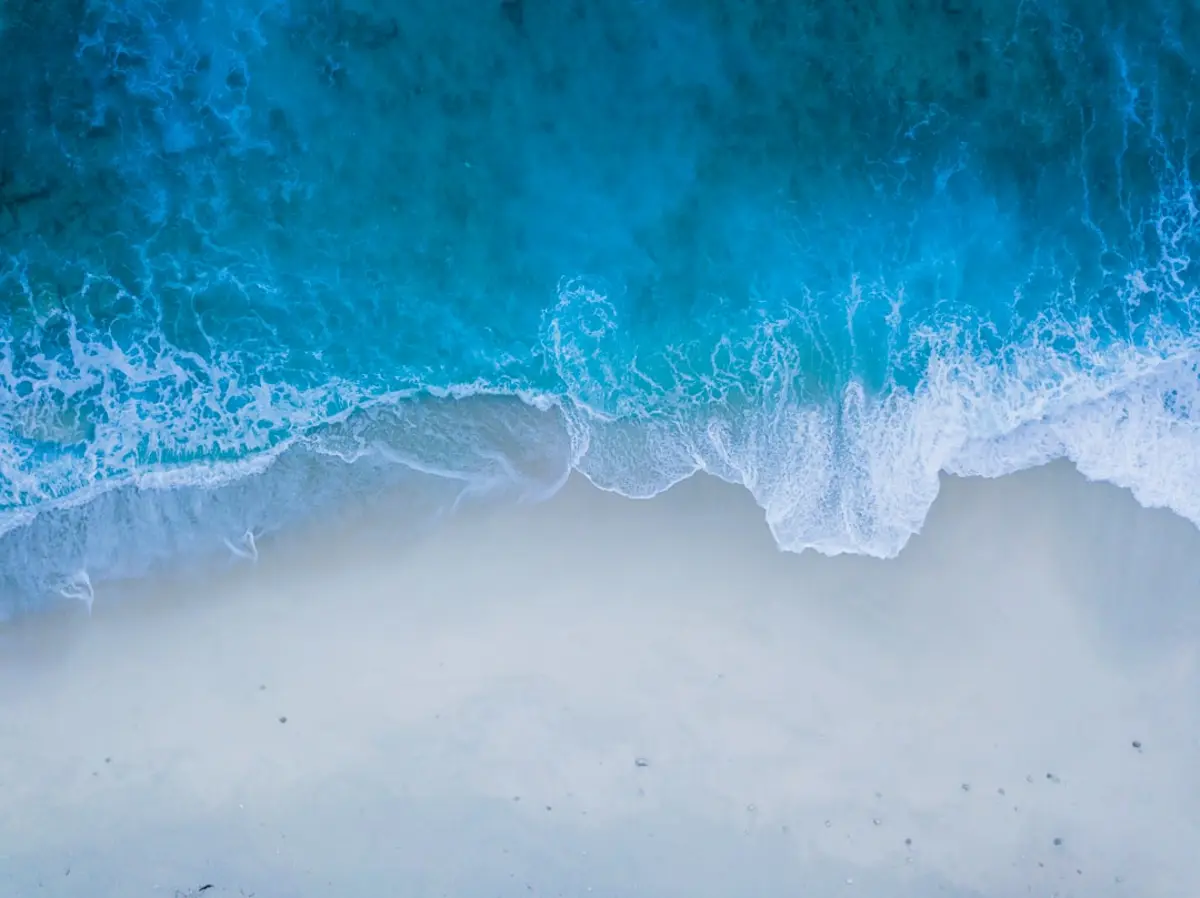
June typically offers some of the best surf conditions of the year. The Indian Ocean generates consistent swells that reach the Sumba coastline, particularly around the Nihiwatu area, renowned for its high-quality reef breaks. Average wave heights range from 3 to 8 feet, depending on the specific break and weather conditions.
Wind and Weather Patterns
In June, the prevailing winds come from the East-Southeast. This wind direction helps to create clean wave faces, making for ideal surfing conditions. Average daytime temperatures hover around 28°C (82°F), while nighttime temperatures drop slightly to around 22°C (72°F). Rain is minimal during this month, providing optimal visibility and favorable surf conditions.
Key Surf Spots in Sumba
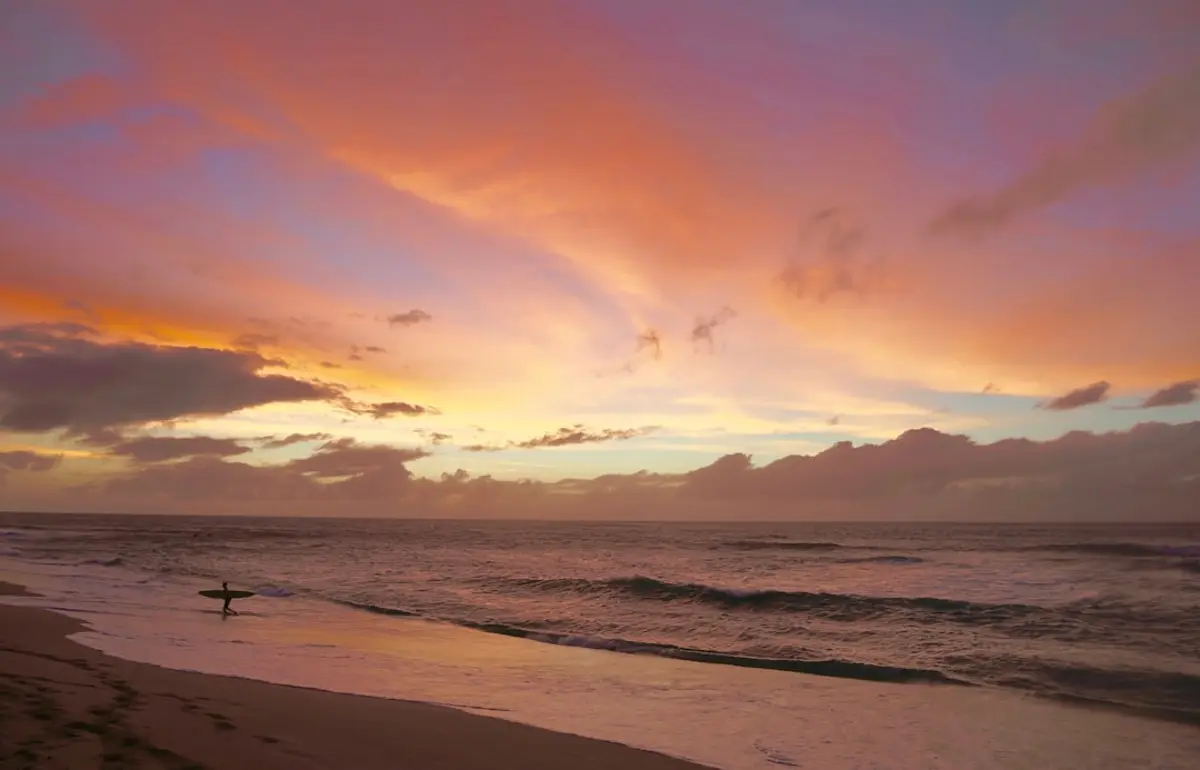
While Sumba offers numerous surf breaks, a few stand out for their reliability and quality during June.
- Nihiwatu: Famous for its powerful left-hand reef break, Nihiwatu is often considered one of the best surf spots in Indonesia. The waves here can reach up to 8 feet, providing thrilling rides for experienced surfers.
- Tarimbang: Located on the southern coast, Tarimbang offers a right-hand reef break that works well with the June swells. It is often less crowded, allowing for a more relaxed surfing experience.
- Marosi: This spot features both left and right-hand waves and is suitable for various skill levels. Marosi is particularly appealing when the swell is moderate, making it ideal for intermediate surfers.
Surf Charter Options
For those looking to maximize their surfing experience, private surf charters along the Sumba coastline are highly recommended. These charters provide access to remote surf breaks that are less frequented and often feature better conditions.
Charter boats typically accommodate groups of surfers and can be customized to fit the needs and skill levels of participants. Daily rates for surf charters vary based on the boat and the duration of the trip, generally ranging from $600 to $1,200 per day. This pricing often includes equipment rental, meals, and a surf guide.
Booking Your Surf Charter
Booking a surf charter in Sumba is straightforward. To reserve your spot, follow these steps:
- Visit the Sumba Surf Charter website to explore available packages and current rates.
- Choose your preferred charter duration and group size.
- Contact us directly through the website or provided contact details to finalize your booking and discuss any specific requirements.
Travel Considerations
Traveling to Sumba is relatively easy, with flights available from major Indonesian cities like Bali. The island’s main airport, Waingapu Airport (WGP), serves domestic flights, and from there, you can arrange transfers to your accommodation or directly to your surf charter.
Accommodations range from budget guesthouses to luxury resorts, with options near the main surf breaks. Booking in advance is recommended, especially during June when demand is high due to the surf season.
Legal and Safety Considerations
Surfing in Sumba is generally safe, but it’s essential to follow local regulations and respect the environment. Surfing is legal, and local authorities encourage responsible surfing practices. Always check the conditions and, when in doubt, consult local guides or surf instructors.
Planning Your Surf Trip to Sumba
When planning your surf trip to Sumba, timing and logistics are crucial. The island is best accessed from Bali, with flights to Waingapu taking approximately 1.5 hours. Upon arrival, renting a motorbike or a car is advisable for exploring the island. Rental prices for motorbikes start at around $10 USD per day, while cars can be rented for approximately $40 USD per day.
It is also beneficial to learn some basic Bahasa Indonesia phrases, as English is not widely spoken outside tourist areas. This will help in communicating with locals and enhance your travel experience.
Exploring Beyond the Waves
While surfing is the main draw, Sumba offers a wealth of cultural and natural attractions. Take time to visit traditional villages such as Ratenggaro and Prai Ijing, where you can learn about the island’s unique customs and architecture. Additionally, the Weekuri Lake, a striking saltwater lagoon, offers a refreshing swim and a picturesque setting for those days when you want a break from the surf.
Seasonal Surf Events and Competitions
June is also a time for surf-related events and competitions in Sumba. These events provide a fantastic opportunity to witness some of the best local and international surfers in action. The Nihiwatu Open, held annually, draws surfers from around the world and is a highlight of the surfing calendar. Entry fees for spectators are minimal, often around $5 USD, making it an accessible event for visitors.
Participating in or watching these competitions can add another layer to your surf trip, offering insights into competitive surfing and a chance to interact with fellow surf enthusiasts.
Local Cuisine and Dining Options
After a day on the waves, refuel with the delicious local cuisine. Sumba is known for its fresh seafood, with many beachside warungs (small local restaurants) offering grilled fish and prawns. A typical meal at a local warung costs about $3 to $5 USD. For a more upscale dining experience, Nihiwatu Resort offers gourmet meals with a focus on locally sourced ingredients, though prices here can range from $15 to $50 USD per dish.
If you’re enjoying a simple meal on the beach or indulging in a high-end dining experience, the culinary offerings in Sumba are sure to satisfy your post-surf hunger.