– Prevailing winds are predominantly from the southeast.
– Optimal surf conditions occur during the dry season (April to October).
– Localized winds can vary significantly by region.
Overview of Sumba’s Geography
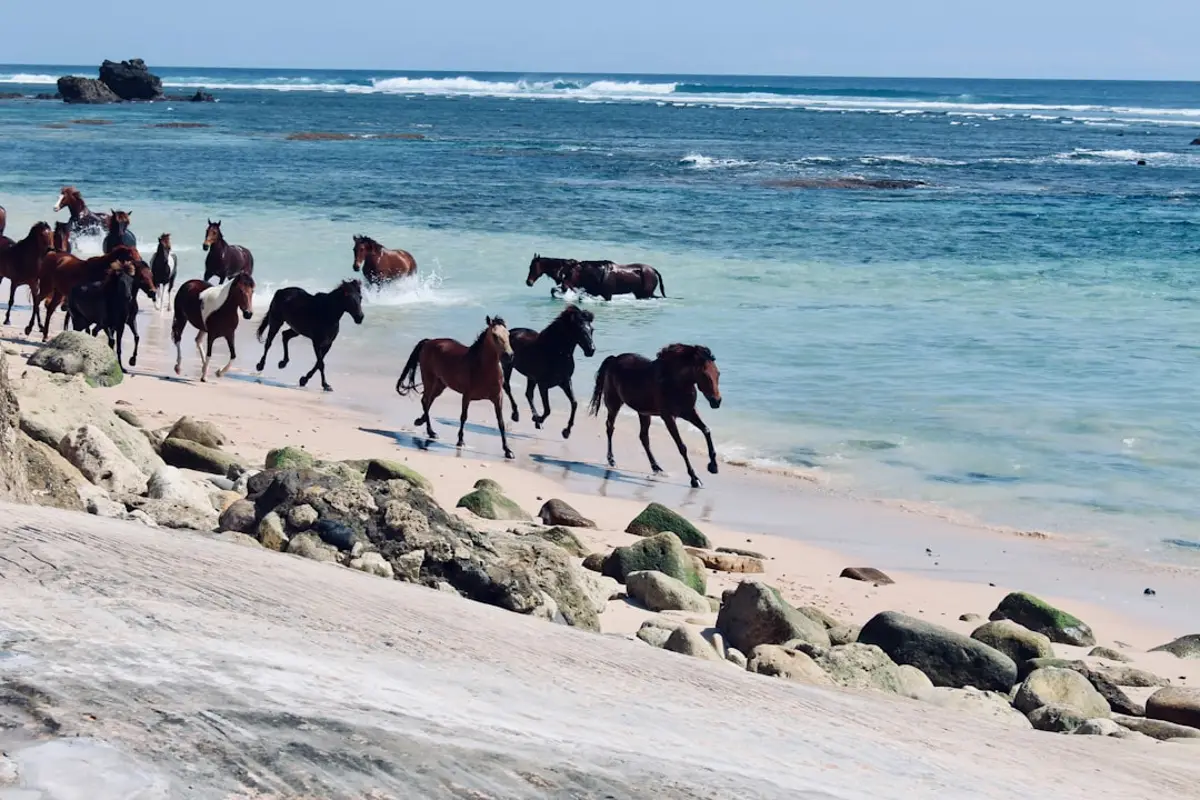
Sumba is an island in East Nusa Tenggara, Indonesia, renowned for its diverse surf spots and unique geography. The coastline features a mix of reef breaks and beach breaks, providing various options for surfers of all levels. Key surf zones include Nihiwatu, which is particularly well-regarded for its quality waves.
Understanding Wind Patterns in Sumba
The wind patterns in Sumba play a significant role in determining surf quality. The island experiences two main seasons: the dry season (April to October) and the wet season (November to March). During the dry season, the dominant winds are typically from the southeast, creating offshore conditions that enhance wave quality.
Prevailing Winds and Their Impact
The southeast trade winds are the primary winds affecting Sumba during the dry season. These winds blow consistently and help shape the surf conditions:
- Offshore Winds: The southeast winds blow offshore at many surf spots, allowing waves to break cleanly and providing favorable conditions for surfing.
- Wind Swell: While the southeast trade winds create the best conditions, they can also produce wind swell, which can lead to less desirable surf quality if too strong.
- Local Variations: The geography of Sumba means that wind patterns can vary significantly from one surf spot to another. Areas sheltered from the wind can offer excellent conditions even when others are blown out.
Seasonal Wind Patterns
To effectively plan a surf trip to Sumba, it’s essential to understand the seasonal changes in wind patterns:
- Dry Season (April to October): This period is characterized by consistent southeast winds, leading to optimal surf conditions. The waves are often clean and well-formed, providing great opportunities for both beginners and advanced surfers.
- Wet Season (November to March): The winds shift more towards the northwest during this season, which can create choppy conditions at many surf spots. However, some areas may still offer good surfing when the winds are lighter or during brief dry spells.
Key Surf Spots and Wind Effects
Different surf spots along the Sumba coastline react differently to prevailing wind patterns. Here’s a closer look at some notable areas:
Nihiwatu
Nihiwatu is one of the most famous surf spots in Sumba, known for its consistent waves and powerful swells. The southeast winds during the dry season create ideal conditions:
- Wave Quality: The offshore winds help produce clean, well-formed waves, making it a favorite among surfers.
- Consistency: The waves at Nihiwatu can be surfed year-round, but the dry season sees the best conditions.
Other Notable Breaks
Beyond Nihiwatu, Sumba has several other surf spots that benefit from the wind patterns:
- Marosi: This spot is often less crowded and can provide excellent conditions when the winds are favorable.
- Tarimbang: Known for its long left-handers, Tarimbang can be particularly good when the southeast winds are light.
Understanding Wind Speed and Surf Conditions
Wind speed is another critical factor that influences surf quality in Sumba. Here’s a breakdown of how different wind speeds can affect surfing:
- Light Winds (0-10 knots): Ideal for surfing, as they allow for clean, glassy conditions.
- Moderate Winds (10-20 knots): Can create some chop but may still be manageable depending on the surf spot.
- Strong Winds (20+ knots): Generally unfavorable for surfing as they lead to choppy and messy conditions.
Best Time to Surf in Sumba
The best time to surf in Sumba largely aligns with the dry season, particularly from May to September. During these months, surfers can expect:
- Optimal Wave Conditions: Consistent offshore winds and well-formed waves.
- Less Rain: The dry season typically sees less rainfall, minimizing disruptions to surf plans.
- Fewer Crowds: While Sumba is gaining popularity, the dry season may still offer less crowded conditions compared to other Indonesian surf destinations.
Surf Charter Options and Costs
Sumba offers a variety of surf charter options catering to different budgets and preferences. If you’re looking for a luxury experience or a more budget-friendly trip, there’s something for everyone.
Popular Surf Charter Companies
Several reputable surf charter companies operate in Sumba, offering tailored experiences for surfers. Here are some popular options:
- Sumba Surf Charter: Known for their personalized service, they offer private charters that can be tailored to your group’s needs. Prices start around $2,500 USD per person for a week-long trip.
- Nihiwatu Resort: Offers exclusive access to the renowned Nihiwatu wave. Their luxury packages are priced higher, typically starting from $5,000 USD per person for a week.
- Sumba Adventure Charters: A more budget-friendly option that provides shared charter experiences. Prices start from $1,800 USD per person for a week.
Practical Tips for Booking a Surf Charter
Booking a surf charter in Sumba requires some planning. Here’s how to ensure a smooth experience:
- Advance Booking: Charters can fill up quickly, especially during the peak season (May to September). It’s advisable to book at least six months in advance.
- Travel Insurance: Ensure you have comprehensive travel insurance that covers surfing and any potential travel disruptions.
- Travel Logistics: Most charters depart from Tambolaka Airport. It’s a 1-hour flight from Bali, with regular flights available. Arrange transportation from the airport to the charter departure point in advance.
Exploring Sumba Beyond Surfing
While surfing is a major draw, Sumba offers a wealth of other attractions. Consider these activities to enrich your trip:
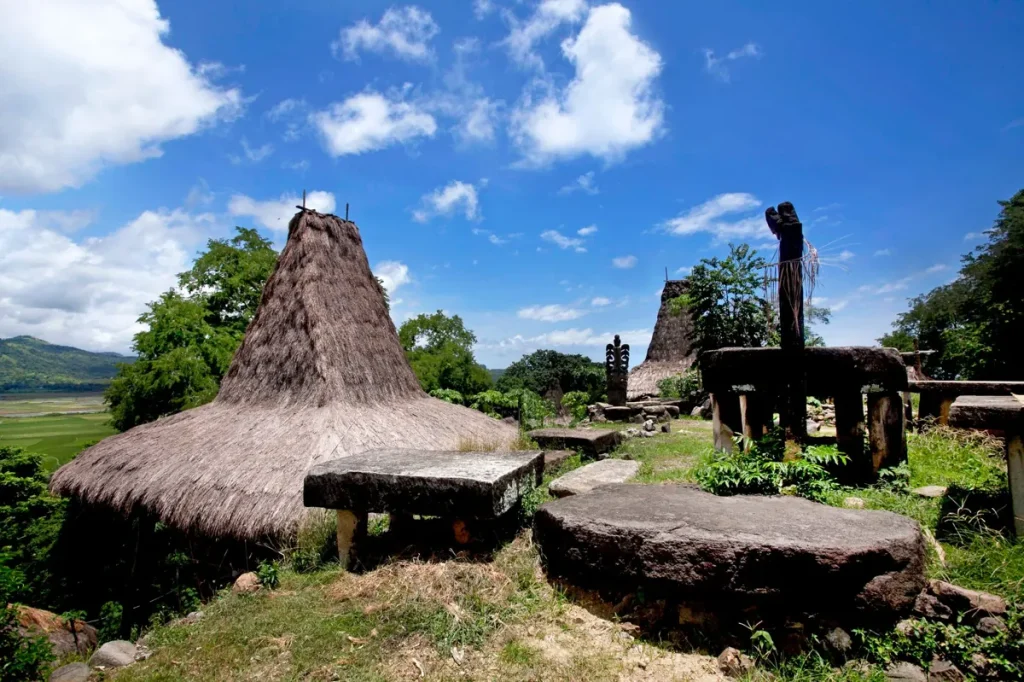
- Visit Traditional Villages: Experience the unique culture of Sumba by visiting traditional villages like Ratenggaro and Praijing. Entry fees are generally around $5 USD.
- Trek to Waterfalls: Sumba is home to striking waterfalls such as Lapopu and Waimarang. Guided tours can be arranged for approximately $50 USD per person.
- Beach Exploration: Beyond the surf breaks, Sumba offers pristine beaches like Mandorak and Bwana, perfect for relaxing and photography.
With its unique wind patterns and striking geography, Sumba offers a surfing experience like no other. If you’re riding the waves or exploring the island’s cultural and natural beauty, Sumba is a destination that promises adventure and tranquility in equal measure.