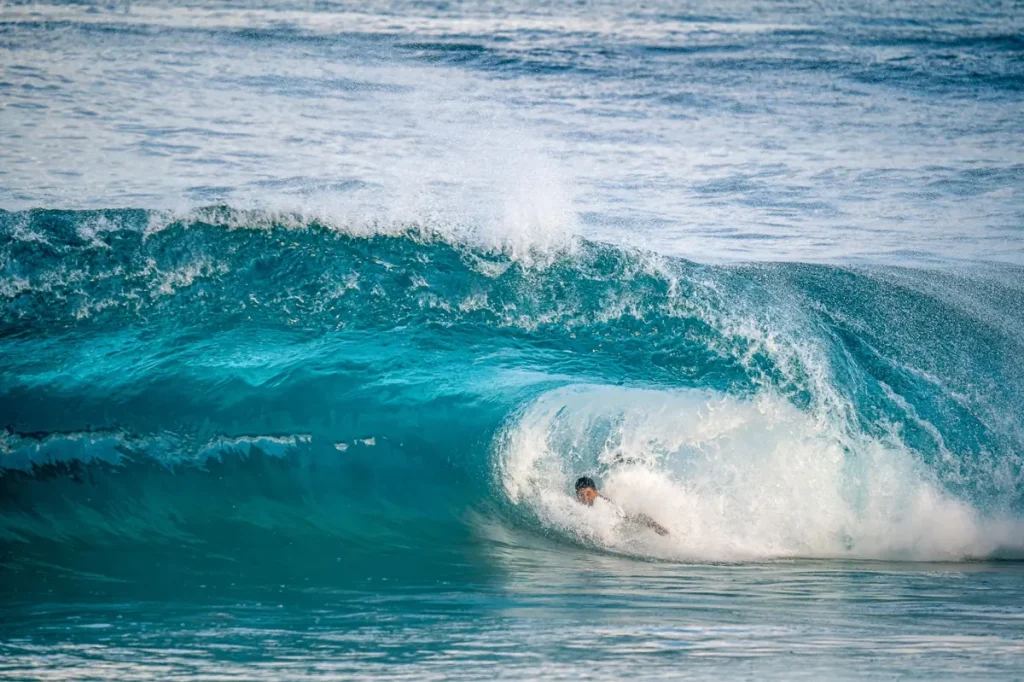
– Wave Height: Ideal height ranges from 3 to 8 feet for experienced surfers.
– Swell Direction: Optimal swells come from the south and southwest.
– Wind: Offshore winds improve wave quality, while onshore winds can create choppy conditions.
Understanding Surf Forecasts for Sumba
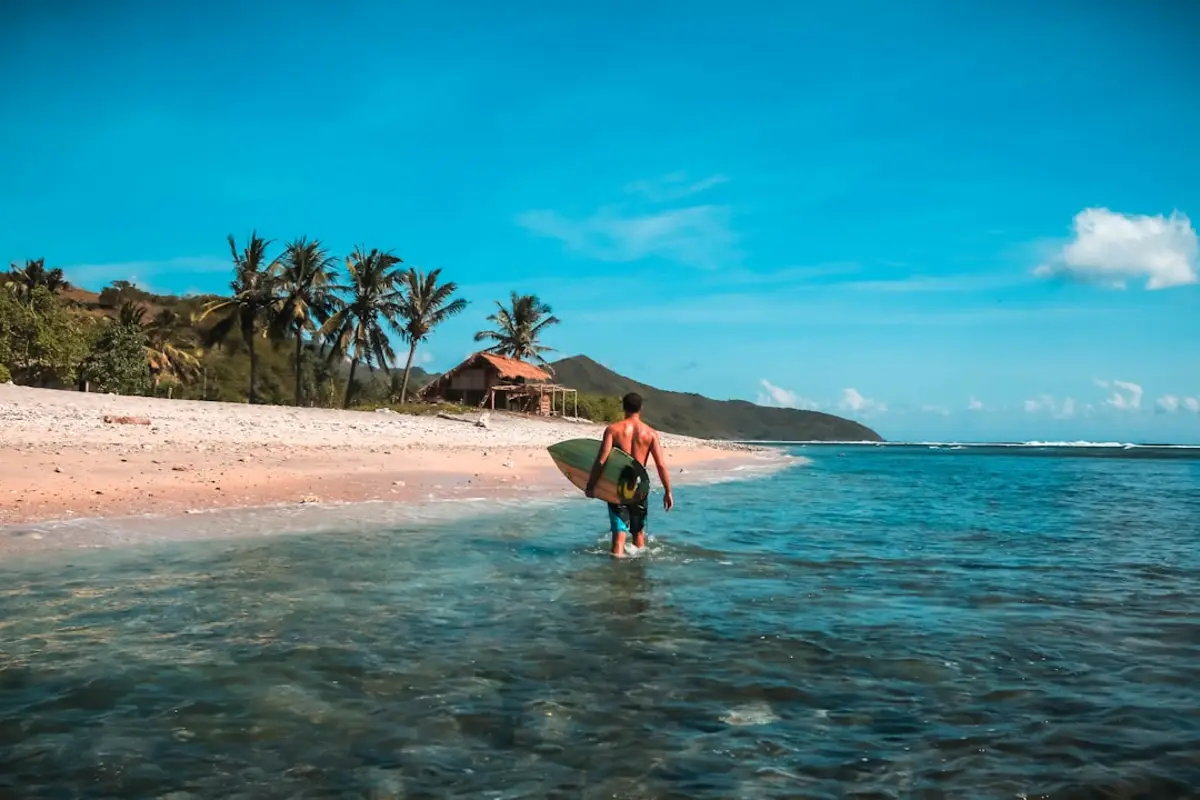
Sumba, part of East Nusa Tenggara, offers excellent surfing opportunities, especially around the Nihiwatu area. As a surfer planning to hit the waves here, understanding how to read surf forecasts is crucial for maximizing your experience. This guide outlines the essential components of surf forecasts and how they relate to Sumba’s unique coastal geography.
What to Look For in Surf Forecasts
Reading surf forecasts involves interpreting various data points. Here are the primary elements to consider:
1. Wave Height
Wave height is a primary indicator of surf conditions. In Sumba, wave heights can vary significantly based on the season and swell patterns. For optimal surfing, look for wave heights between 3 and 8 feet. Heights above this range may be better suited for advanced surfers.
2. Swell Direction
Swell direction plays a crucial role in determining the quality of waves. In Sumba, the most favorable swells typically come from the south and southwest. These directions create more consistent and powerful waves at the reefs and breaks along the coastline.
3. Wind Conditions
Wind can either enhance or degrade surfing conditions. Offshore winds (blowing from land to sea) are ideal as they help to groom the waves, making them more rideable. Conversely, onshore winds can cause chop and less favorable conditions. Check the forecast for wind speeds and directions to ensure the best surfing experience.
4. Tide Schedules
The tide can significantly affect surf quality. In Sumba, many surf spots work best during specific tidal conditions. Generally, incoming tides can create better surf conditions, while outgoing tides may expose rocks and shallow areas. Familiarize yourself with local tide charts to plan your sessions effectively.
Seasonal Considerations for Surfing in Sumba
Understanding the seasons is essential for planning your surf trip. Sumba has distinct surfing seasons, each offering different conditions:
- Dry Season (April to October): This is the peak surfing season with consistent swells, generally cleaner conditions, and fewer rainy days.
- Wet Season (November to March): Conditions can be variable during this time, with more rain and potential storm swells. However, some surfers enjoy less crowded spots.
Nihiwatu: A Premier Surf Destination
Nihiwatu, often lauded as one of the top surf destinations in the world, offers an exclusive surf experience. The wave here, known as “Occy’s Left,” is a powerful left-hand reef break that can reach impressive sizes, making it suitable for advanced surfers. Access to this wave is typically through the Nihiwatu Resort, which offers surf packages starting at around USD 500 per night. This includes accommodation, meals, and guided surf tours.
Local Surf Etiquette and Culture
When surfing in Sumba, it’s important to respect local customs and surf etiquette. Always acknowledge local surfers, give priority to those already riding the wave, and avoid dropping in. Engaging with local surf communities not only enhances your surf experience but also supports the local economy. Consider hiring local guides who can provide valuable insights into the best surf spots and conditions.
How to Access Surf Forecasts for Sumba
Several online resources provide surf forecasts tailored to Sumba. Here’s how to access and interpret them:
1. Surf Forecast Websites
Use dedicated surf forecast websites like Magicseaweed or Surfline. These platforms provide detailed reports on wave height, swell direction, wind conditions, and tides. Simply enter “Sumba” in the search function to find specific forecasts.
2. Mobile Apps
Consider downloading surf forecast apps. Many apps offer real-time updates and notifications about changing conditions, which can be helpful when you’re out on the water.
3. Local Surf Reports
Engage with local surf shops or surf charter companies like Sumba Surf Charter. They can provide real-time insights and personal experiences regarding current conditions, which can be invaluable, especially for boat-accessed areas.
Surf Charter Considerations
When planning your surf trip to Sumba, consider booking a private surf charter. Here’s what to know:
1. Boat-Access Reef Breaks
Many of Sumba’s best surf spots are accessible only by boat. Chartering a boat allows you to reach prime breaks without the hassle of land access. Popular spots include Nihiwatu and other lesser-known breaks along the coast.
Planning Your Sumba Surf Charter
1. Choosing the Right Charter
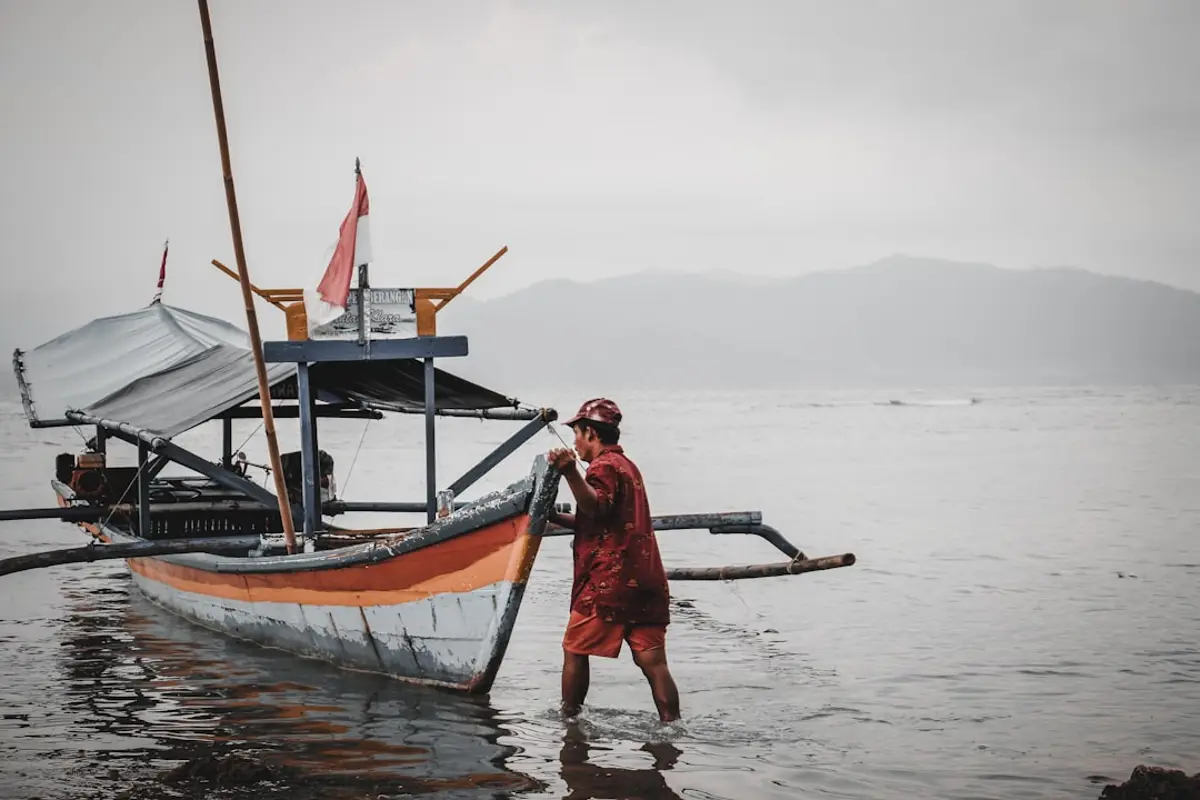
When selecting a surf charter in Sumba, consider the type of boat and the amenities it offers. Traditional wooden phinisi boats provide an authentic Indonesian experience, while modern yachts offer luxury and comfort. Charter prices can vary, typically starting at around USD 200 per day, depending on the boat’s size and services included.
2. Itinerary and Stops
A typical surf charter itinerary may include stops at well-known breaks like Occy’s Left at Nihiwatu, as well as secret spots known only to locals. Charters often offer flexible itineraries, allowing surfers to chase the best conditions. Distances between breaks can range from a few kilometers to longer stretches, providing a diverse surfing experience.
3. Booking and Reservations
It’s advisable to book your surf charter well in advance, especially during the high season from April to October. Many charter companies require a deposit to secure your booking, with full payment due closer to your departure date. Ensure you clarify cancellation policies and any additional costs, such as equipment rental or meals.
Practical Tips for Surfing in Sumba
1. Packing Essentials
When preparing for your surf trip to Sumba, pack essentials such as tropical wax, a repair kit for minor board damages, and a medical kit for small injuries. A rash guard or wetsuit top is recommended to protect against sunburn and reef cuts.
2. Understanding Local Weather
The weather in Sumba can change rapidly, particularly during the wet season. Always check the local weather forecast before heading out and be prepared for sudden rain showers or temperature changes, especially if you’re planning a long day on the water.
3. Cultural Sensitivity
Sumba is rich in culture and tradition. Respect local customs and dress modestly when you’re off the beach. Learning a few basic phrases in Bahasa Indonesia can go a long way in communicating with locals and showing respect for their culture.
4. Sustainable Surfing Practices
Help preserve the pristine environment of Sumba by practicing sustainable surfing. Avoid leaving trash on the beaches, use eco-friendly sunscreen, and respect marine life while surfing. Supporting local businesses and eco-friendly accommodations can also contribute to the sustainability of the area.