
– Sumba experiences consistent swells primarily from April to October.
– The region’s unique geography influences wave quality and size.
– Seasonal wind patterns can enhance or diminish swell intensity.
Introduction to Sumba and Its Surfing Potential
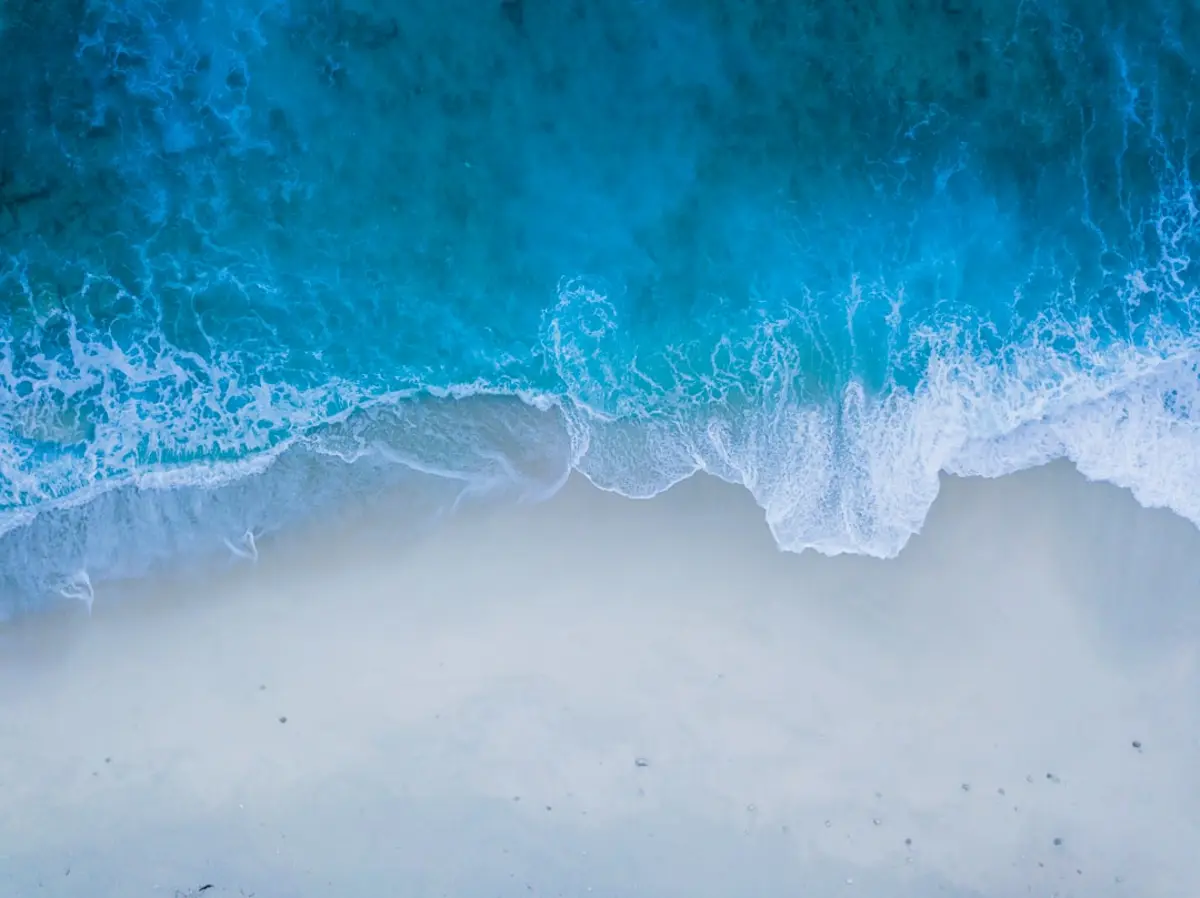
Sumba, part of East Nusa Tenggara, Indonesia, is gaining recognition among surfers for its exceptional wave quality. Its geographical location in the Indian Ocean allows it to receive consistent swell patterns, making it an attractive destination for surf enthusiasts seeking boat-access reef breaks and uncrowded waves.
Swell Patterns in the Indian Ocean

The Indian Ocean is a primary contributor to Sumba’s swell patterns. Swell generation occurs primarily due to wind patterns over vast ocean stretches, and the resulting waves travel thousands of miles before reaching the Sumbanese coastline. Understanding these swell patterns can significantly enhance your surfing experience.
Key Seasons for Surfing in Sumba
- April to October: The dry season brings consistent southwest swells. This period is ideal for surfers seeking reliable wave conditions.
- November to March: The wet season typically features smaller swells and unpredictable weather, making surfing less favorable.
Geographical Influence on Swell Reception
Sumba’s diverse coastline, featuring reefs, points, and beaches, interacts with incoming swells in various ways. The unique topography determines how waves break, their size, and surfability. Here are some important geographical factors to consider:
Reef Breaks
The reef breaks around Sumba, especially in the Nihiwatu area, are known for producing high-quality waves. These breaks are influenced by:
- Shallow Reefs: They can create steep, powerful waves that challenge even experienced surfers.
- Wave Direction: Most waves in this region come from the southwest, which aligns well with popular surf spots.
Wind Patterns
Wind conditions significantly affect swell size and shape. During the dry season, offshore winds are prevalent. These winds help to groom the waves, creating cleaner and more rideable conditions.
- Offshore Winds: Typically occur in the mornings and evenings, providing optimal surfing conditions.
- Onshore Winds: Common during the afternoons can lead to choppy conditions, making it less ideal for surfing.
Popular Surf Spots in Sumba
Some of the most renowned surf spots along the Sumba coastline include:
- Nihiwatu: Famous for its powerful left-hand reef breaks, suitable for experienced surfers.
- Tarimbang Beach: Known for its mellow waves, ideal for beginners and intermediate surfers.
- Butung Beach: Offers consistent swells with less crowding, providing a more secluded surfing experience.
Booking Your Surf Charter
When planning your surf trip to Sumba, booking a private surf charter can enhance your experience. These charters provide access to remote surf spots, ensuring you catch the best waves without the crowds. Here’s how to book:
Pricing Information
- Charter Prices: Typically range from USD 800 to USD 1,500 per week, depending on the season and boat amenities.
- Group Discounts: Available for larger groups, making it more affordable to share the experience.
How to Book
To secure your surf charter, visit faq for detailed booking information and tips on planning your trip. Ensure to book well in advance, especially during peak surf seasons.
Understanding Local Conditions and Safety
While Sumba offers exceptional surfing, it’s essential to respect local conditions and safety practices. Always consider:
- Local Expertise: Hire local guides who know the surf spots and can provide insights on the best conditions.
- Surf Etiquette: Respect local surfers and follow standard surfing etiquette to enhance your experience.
Sumba Surf Charter Logistics and Options
Embarking on a surf charter in Sumba offers a unique way to explore the island’s remote and pristine surf spots. Most charters depart from the main port of Waingapu, which is approximately 90 kilometers from Nihiwatu. It is advisable to arrange transportation to the port in advance, as the roads can be challenging to navigate.
Charters often include accommodations on board, meals, and access to surf gear. The cost of a standard surf charter, inclusive of these amenities, ranges from USD 1,000 to USD 1,500 per person for a week. Some premium options may also offer additional services such as guided surf tours and photography packages, which can enhance your overall experience.
Seasonal Variations and Swell Size
The swell size and consistency in Sumba vary throughout the year. During the peak season from April to October, swells can range from 3 to 8 feet, with occasional larger sets. This period is characterized by long-period swells that provide ideal conditions for experienced surfers looking to tackle Sumba’s challenging reef breaks.
In contrast, the off-season from November to March sees smaller and less consistent swells, usually ranging from 1 to 4 feet. While this might not attract professional surfers, it offers a more relaxed environment for beginners or those looking to enjoy the scenic beauty of Sumba without the intensity of larger waves.
Practical Tips for Surfing in Sumba
To make the most of your surfing adventure in Sumba, consider the following practical tips:
- Travel Insurance: Ensure you have comprehensive travel insurance that covers surfing activities, as medical facilities on the island are limited.
- Local Currency: Carry sufficient Indonesian Rupiah (IDR) as credit card facilities are not widely available, especially in remote areas.
- Environmental Responsibility: Respect the local environment by minimizing waste and participating in beach clean-ups when possible.
For detailed wave forecasts and local insights, head to our faq section. Curious about trip planning specifics? Visit see current rates or explore about for further information.