– April to June: Optimal conditions for all skill levels.
– July to September: Largest swells for advanced surfers.
– October: Transition period with fewer crowds.
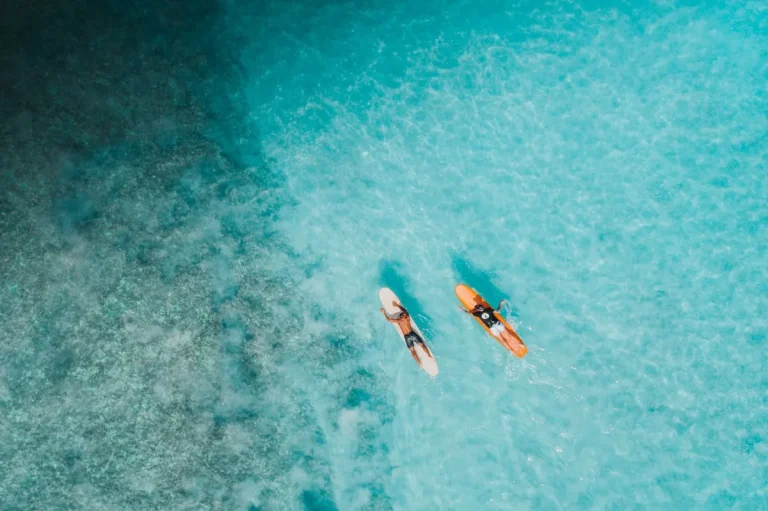
The salty breeze of the Indian Ocean kisses your skin as the sun rises over Sumba’s rugged coast. The rhythmic sound of waves crashing against the reef creates a melody that beckons surfers from around the world.
Understanding Sumba’s Surf Conditions
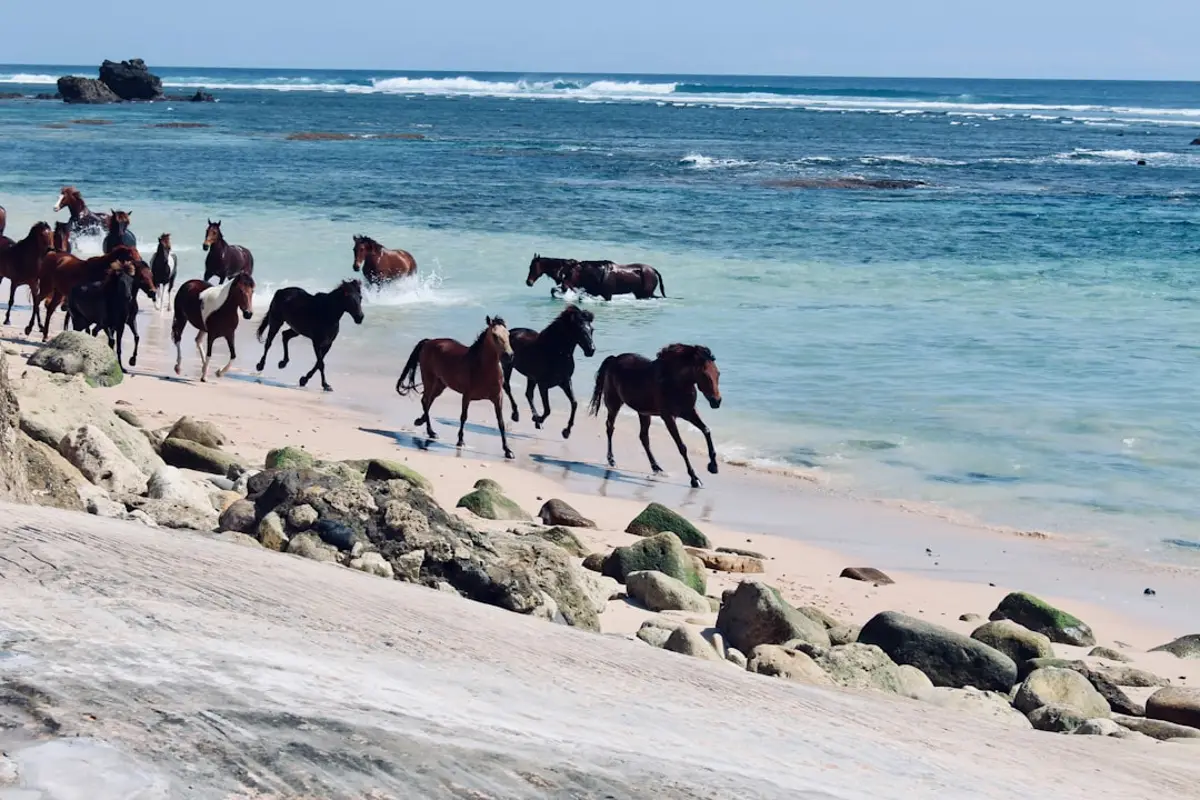
Sumba, part of the East Nusa Tenggara province, offers a unique surf experience, with reef breaks accessed primarily by boat. Known for its powerful waves, particularly around Nihiwatu, Sumba attracts those seeking both adventure and solitude. The island’s surf conditions are influenced by the Indian Ocean’s swells and the southeast trade winds, which blow consistently from April to October. These months are considered the prime surfing season, with wave heights ranging from 3 to 12 feet, ideal for intermediate and advanced surfers.
April to June is a sweet spot for surfers of all levels, thanks to manageable swells and favorable wind patterns. As the season progresses, July to September sees the arrival of the largest swells, appealing to thrill-seekers. October marks a transition, offering a mix of late-season swells and quieter beaches. The island’s tropical climate ensures warm water year-round, with temperatures averaging 28°C (82°F), perfect for chasing waves without a wetsuit.
The Monsoon Influence
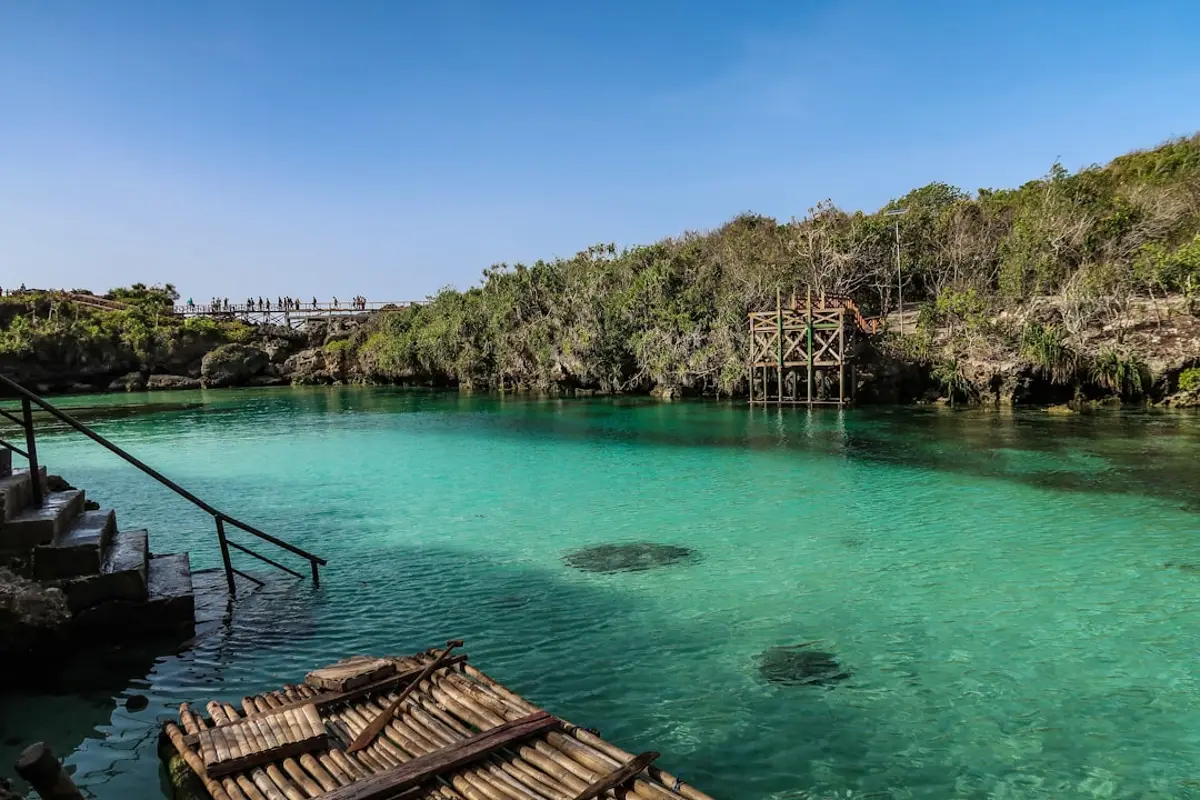
Sumba’s surf scene is largely shaped by the region’s monsoon cycle. The dry season, from April to October, is characterized by minimal rainfall and consistent offshore winds. This period is optimal for surfing, with the southeast trade winds enhancing wave quality and size. In contrast, the wet season from November to March brings heavier rainfall and onshore winds, creating less favorable surf conditions. During these months, swells can become erratic, and beach access may be hindered by heavy downpours. While some surfers may find smaller crowds appealing, the inconsistency often deters dedicated wave hunters.
Understanding the monsoon’s impact is crucial for planning a successful Sumba surf charter. With an average of 2,000 to 3,000 millimeters of rainfall during the wet season, timing your visit during the dry months is essential for optimal surfing experiences.
Nihiwatu’s Legendary Waves
Nihiwatu Beach, often referred to in surf circles as “Occy’s Left,” is a crown jewel of Sumba’s surf offerings. Named after Australian surfing legend Mark Occhilupo, this left-hand reef break is renowned for its long, powerful waves. Located approximately 30 kilometers west of Tambolaka, Nihiwatu is a magnet for experienced surfers drawn to its consistent swells. The wave can reach heights of up to 15 feet during peak season, providing a thrilling ride for those with the skills to navigate its complexities.
The exclusivity of Nihiwatu is another factor contributing to its allure. Access is primarily through private surf charters, ensuring that line-ups are never overcrowded. This controlled access is part of a broader effort to preserve the area’s natural beauty and cultural heritage, aligning with sustainable tourism practices promoted by organizations like UNESCO.
Charter Options and Pricing
For those looking to explore Sumba’s surf breaks, chartering a private boat is the most effective way to access remote spots. Several operators offer tailored experiences, with prices ranging from USD 1,500 to USD 3,000 per day, depending on the level of luxury and services included. These charters typically feature experienced guides, local insights, and all necessary equipment, ensuring a seamless surfing adventure. Boats are often equipped with modern amenities such as GPS navigation, ensuring safe and efficient travel between breaks.
Booking a charter is straightforward, with many operators offering online reservations. It’s advisable to book well in advance, particularly for trips planned during peak season, to secure your preferred dates and boat. For more information on booking a Sumba surf charter, visit our booking guide.
Local Insights: Hidden Windows
While peak season offers the most consistent conditions, savvy surfers know that Sumba holds secrets beyond the obvious. Shoulder months like April and October present hidden windows of opportunity, where swells can surprise with their quality and consistency. These periods often see fewer visitors, allowing for more personal encounters with the waves.
Local surf guides, often surfers themselves, provide invaluable insights into these little-known spots. Their knowledge of tidal patterns, wind shifts, and lesser-known breaks can transform a good trip into a great one. Engaging a local guide not only enhances your surfing experience but also supports the island’s economy, aligning with ethical travel practices encouraged by platforms like Indonesia Travel.
Marine Life and Conservation
Sumba’s waters are not just a playground for surfers but also a vibrant ecosystem teeming with marine life. The coral reefs here are home to diverse species, including parrotfish, turtles, and sometimes even dolphins. The presence of these creatures adds an extra layer of excitement for surfers and snorkelers alike. Conservation efforts are in place to protect these fragile ecosystems, with local and international collaborations working towards sustainable tourism development. Understanding the importance of marine conservation enhances the surfing experience, reminding visitors of the delicate balance between enjoyment and preservation.
The Local Culture and Community
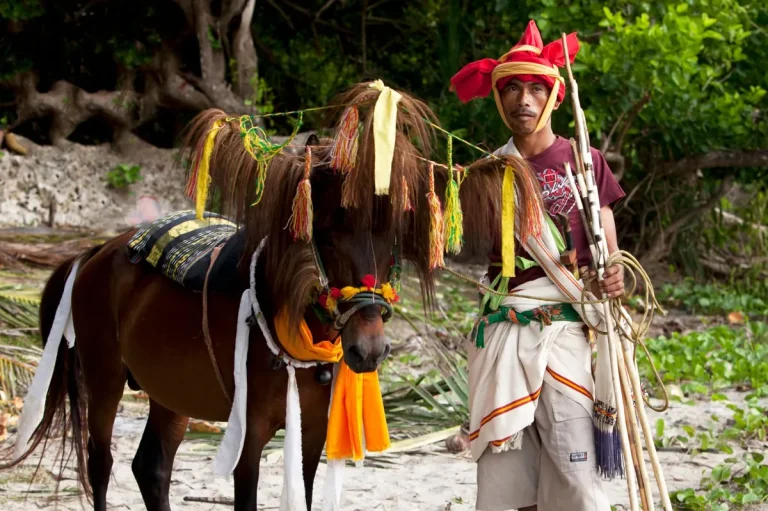
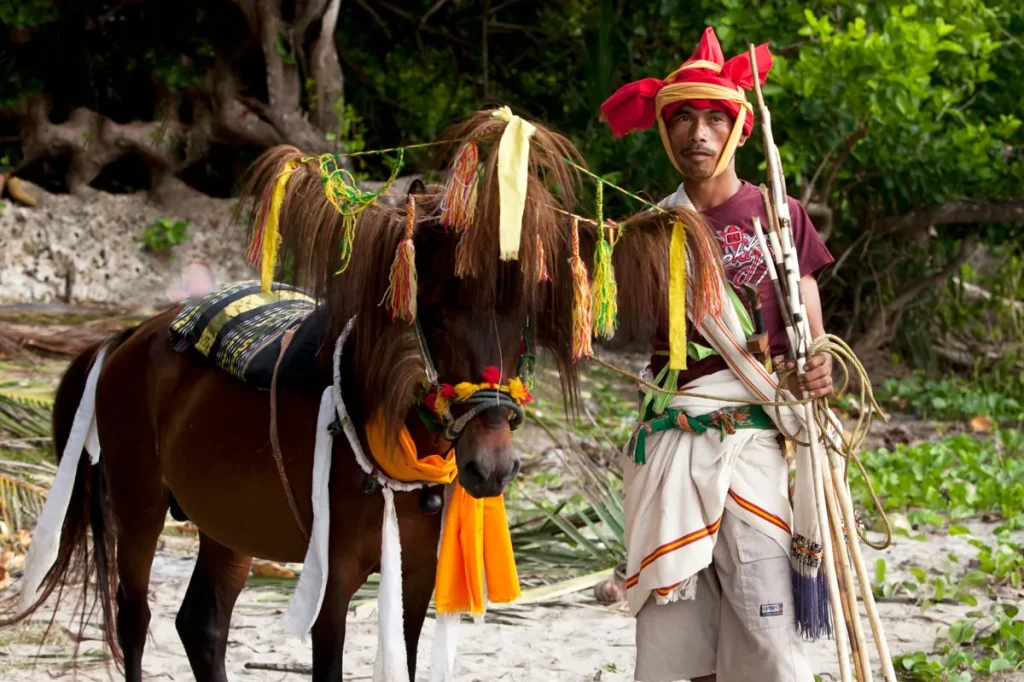
Beyond the waves, Sumba offers a rich mosaic of culture and traditions. The island is known for its unique ikat weaving, traditional village structures, and the Pasola festival, a ceremonial event featuring spear-throwing on horseback. Engaging with the local community provides a deeper understanding of Sumba’s heritage. Many surf charters offer cultural tours, allowing visitors to step away from the beach and explore the island’s interior. This cultural immersion not only enriches the travel experience but also supports local artisans and promotes cultural preservation.
Comparison: Choosing Your Surf Destination
When planning a surf trip to Indonesia, it’s important to compare destinations to find the one that best suits your skill level and interests. Here’s a quick comparison to help you decide:
- Bali: Known for its vibrant nightlife and accessible surf spots like Uluwatu and Padang Padang. Ideal for those seeking a mix of surfing and social activities.
- Mentawai Islands: Offers some of the world’s most consistent and challenging waves. Best for advanced surfers looking for a dedicated surf trip.
- Sumba: Perfect for those who want a more secluded and culturally immersive experience. Ideal for intermediate to advanced surfers seeking a unique adventure.
Plan Your Sumba Adventure
Sumba’s surf scene is a captivating blend of adventure and discovery, offering waves that challenge and inspire. If you’re drawn to the legendary breaks of Nihiwatu or the promise of untouched surf spots, timing your visit is key to unlocking the island’s full potential. Begin planning your Sumba surf charter today, and explore the unparalleled waves and culture of this Indonesian island. Visit our homepage for more insights and inspiration.
Planning specifics? See faq or check availability.