
- Beginners: April to October
- Intermediate: Year-round
- Advanced: October to March
Sumba, located in East Nusa Tenggara, Indonesia, offers diverse surfing experiences for all skill levels. The island is known for its boat-access reef breaks, particularly around the Nihiwatu area, which caters to surfers seeking both adventure and tranquility. Understanding the best time to surf Sumba can significantly enhance your experience, if you are a novice, intermediate, or advanced surfer.
Surfing Conditions by Skill Level
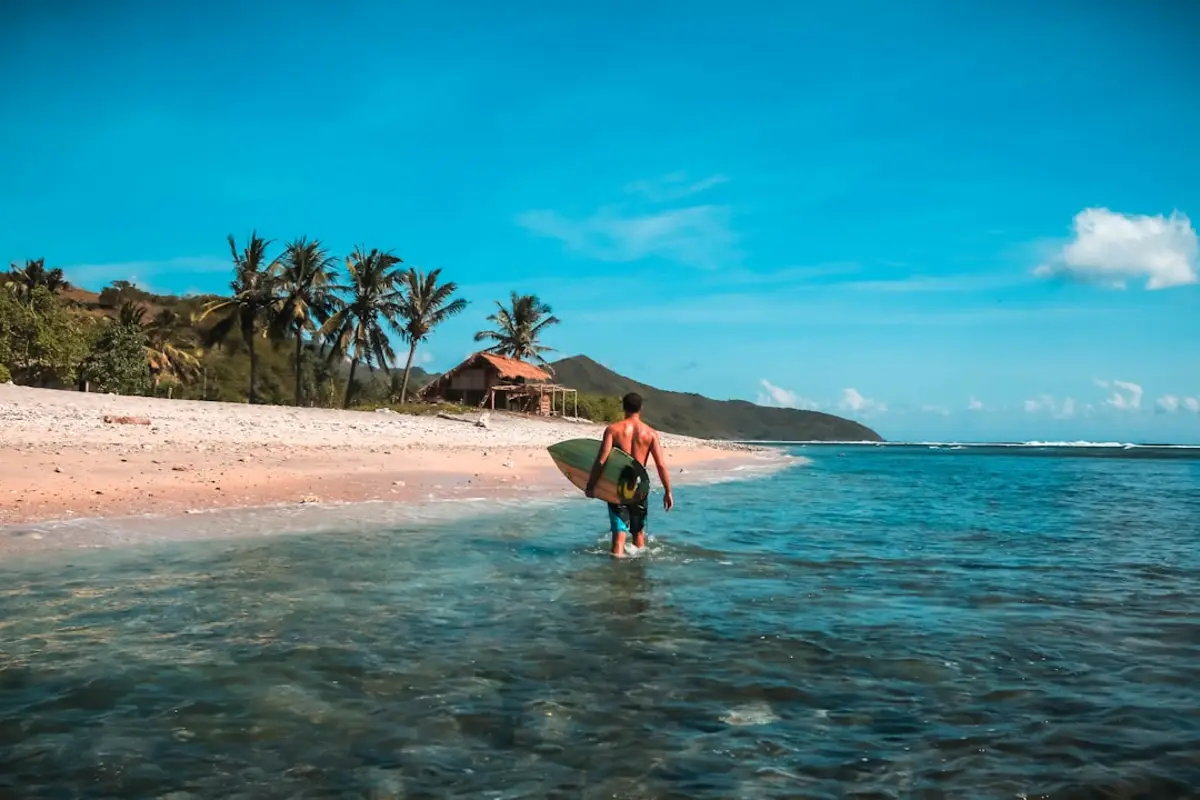
Beginners: April to October
For beginners, the months between April and October present the ideal surfing conditions. During this period, the waves are generally smaller, which allows newcomers to build their confidence without the intimidation of larger swells.
- Wave Height: Typically 1-3 feet.
- Wind: Offshore winds are common, providing cleaner waves.
- Water Temperature: A comfortable 26-28°C (79-82°F).
During these months, you can expect consistent surf days with manageable conditions. Surf schools and instructors are available for beginners looking to learn the basics of paddling, popping up, and riding their first waves. Popular spots for beginners include the gentle beach breaks near Nihiwatu, where safety and learning are prioritized.
Intermediate: Year-Round
Intermediate surfers can enjoy Sumba’s surfable waves throughout the year. The island’s varied coastline means that there is always a suitable spot regardless of the season. However, certain months may offer more favorable conditions.
- Wave Height: Generally ranges from 3-6 feet.
- Best Months: April to October for smaller, fun waves; October to March for larger swells.
- Conditions: Wind and tide can create varied surf experiences.
Intermediate surfers can take advantage of different breaks, including the more challenging reef breaks accessible by charter boats. These spots offer a range of wave types, allowing surfers to improve their skills in different conditions. The surf culture in Sumba is friendly, making it easy for intermediates to connect with locals and other travelers.
Advanced: October to March
Advanced surfers should target the months from October to March for the biggest and most challenging waves. During this period, Sumba experiences larger swells, which attract experienced surfers looking to test their skills.
- Wave Height: Ranges from 6-12 feet, with some spots capable of larger swells.
- Best Breaks: Reef breaks around Nihiwatu and other less crowded spots.
- Conditions: Swells can vary significantly, requiring advanced skills and experience.
During this season, the waves can get heavy, and the conditions can change rapidly. Advanced surfers will find solitude in some of the more remote breaks, where they can enjoy challenging waves without the crowds. It’s advisable to check the local forecasts and conditions, as well as to remain aware of safety precautions when tackling bigger waves. Charter services can provide local knowledge and safety equipment, ensuring a rewarding and safe surfing experience.
Surf Charter Options and Pricing

Surf charters in Sumba provide a unique opportunity to access multiple breaks along the coastline. Various packages are available, accommodating different budgets and preferences. Here’s a brief overview of what to expect:
- Full-Day Charter: Typically ranges from $600 to $1,500 depending on the boat and number of surfers.
- Group Discounts: Available for larger bookings, making it more economical for groups or families.
- Inclusions: Most packages include gear rental, meals, and guided surf sessions.
To book a private surf charter, visit compare packages and explore the options that best suit your surf trip needs. Early bookings are advisable, especially during peak surfing months, to ensure availability and preferred pricing.
Legal Considerations and Safety
Surfing in Sumba is legal and regulated. However, surfers should respect local customs and environmental laws. Always check for any specific regulations concerning marine life protection and beach access to ensure a responsible surfing experience. It’s also important to be aware of the potential hazards of reef breaks, such as sharp coral and strong currents. Ensuring you have adequate insurance coverage for surfing activities is also recommended.
Choosing the Right Surf Charter
When selecting a surf charter in Sumba, consider the type of experience you want. If you’re looking for a luxury experience or a more rustic adventure, there are options to suit every preference. The charter boats range from traditional Indonesian phinisi to modern yachts, each offering different amenities. For a premium experience, some charters offer private chefs and personalized itineraries, while others focus on providing a more authentic and budget-friendly experience.
- Traditional Phinisi: Offers an authentic Indonesian experience, with prices starting around $800 per day.
- Luxury Yachts: Equipped with high-end amenities, prices start at approximately $1,200 per day.
- Shared Charters: A cost-effective option where you share the boat with other surfers, starting at about $600 per day.
It’s important to communicate with the charter company about your surfing skill level and what you hope to achieve on your trip. This ensures the itinerary and locations match your expectations and skill set. Additionally, inquire about the crew’s experience and local knowledge, which can greatly enhance your surfing adventure in Sumba.
Travel Logistics and Accommodation
Getting to Sumba involves flying into Tambolaka Airport (TMC) or Waingapu Airport (WGP), with direct flights available from Bali and Jakarta. The flight from Bali typically takes around 1.5 hours and costs between $100 and $150 for a round trip. Once on the island, transportation to your accommodation or surf charter departure point can be arranged through your tour provider or independently.
Accommodation options range from budget-friendly hostels and guesthouses to luxury resorts like the renowned Nihi Sumba, which offers a blend of comfort and proximity to prime surf spots. Prices for accommodation vary widely, with budget options starting at $30 per night and luxury resorts exceeding $1,000 per night. It’s advisable to book accommodation in advance, particularly during peak surfing seasons, to secure the best rates and availability.
For those planning extended stays, renting a scooter or car is a convenient way to explore the island and reach different surf spots. Rental prices are around $10 per day for a scooter and $40 per day for a car. Keep in mind that local driving conditions can be challenging, so ensure you’re comfortable with the terrain and traffic rules before setting out.