
- Understand the reef structure and wave conditions.
- Use appropriate surf gear and safety equipment.
- Have a plan for emergencies and know the closest medical facilities.
Surfing in Sumba offers unique challenges and thrilling experiences, especially at shallow reef breaks. With its pristine coastline and diverse wave conditions, this region attracts surfers from around the world. However, safety must always be a priority when navigating these waters. Below, we explore essential tips and safety measures for enjoying the reef breaks around Sumba.
Understanding the Reef Breaks
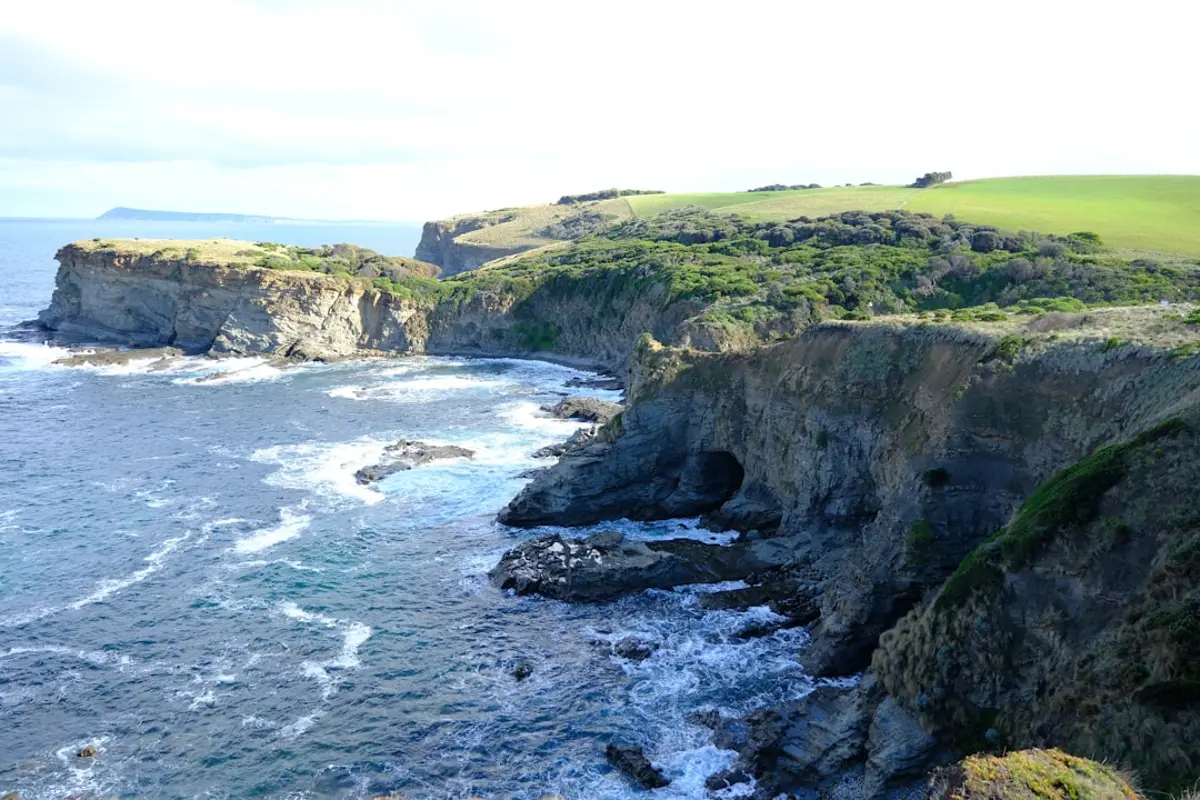
Sumba is part of East Nusa Tenggara, Indonesia, and is known for its exceptional surf spots, particularly the Nihiwatu area. The reef breaks here can vary significantly in depth and wave size, making it crucial to understand the specific characteristics of each location. Before heading out, familiarize yourself with the following:
- Reef Structure: Shallow reefs can have sharp coral and rocky outcrops, which pose risks for surfers. Know the layout of the break and avoid hazards.
- Wave Conditions: Check forecasts for swell size and wind direction. Conditions can change rapidly, and what may start as a fun ride can quickly become dangerous.
- Tide Influences: Tides can significantly affect how waves break. Be aware of high and low tides to choose the best times to surf.
Essential Surf Gear and Safety Equipment
Using the right equipment is vital when surfing shallow reef breaks. Here are some recommendations:
- Surfboard: Choose a board that suits your skill level and the wave conditions. Shortboards and fish boards can perform well in smaller waves, while longboards may provide stability in choppy waters.
- Wetsuit: Depending on the season and water temperature, a wetsuit may be necessary. It can provide protection against cuts from coral and warmth in cooler waters.
- Leash: Always wear a leash. This keeps your board close and prevents it from becoming a hazard to you and other surfers.
- Helmet: For added safety, consider wearing a helmet, especially in more challenging conditions or if you are not an experienced surfer.
Emergency Preparedness
Accidents can happen, even to the most experienced surfers. Being prepared can make a significant difference in emergencies. Here’s how to ensure your safety:
- Know Your Limits: Always surf within your skill level. If you’re not comfortable with the conditions, it’s better to sit out or choose a different spot.
- Emergency Plan: Have a plan in place in case of injury. Know the location of the nearest medical facilities. For instance, the local hospital in Waingapu is approximately an hour away from Nihiwatu.
- Surf Buddy System: Surf with a buddy whenever possible. Keeping an eye on each other can help prevent accidents and ensure immediate assistance if needed.
Respect Local Customs and Environment
Sumba has a rich cultural heritage and diverse ecosystems. When surfing in the area, it’s important to respect local customs and the environment:
- Local Etiquette: Be aware of local surfers and their right of way. Show respect in the water to create a positive atmosphere.
- Environmental Protection: Avoid stepping on coral and remove any trash you find. Protecting the environment is crucial for maintaining healthy reefs.
- Support Local Communities: Consider hiring local guides or surf instructors to enhance your experience and contribute to the community.
Seasonal Considerations
Surf conditions in Sumba can vary greatly throughout the year. Understanding the seasons will help you choose the best time to visit:
- Dry Season (April to October): This is the peak surf season, with consistent swells and favorable conditions. Expect larger crowds at popular spots.
- Wet Season (November to March): While conditions can be unpredictable, this is a great time to find less crowded waves. Be cautious of heavy rains and storms.
Chartering a Boat for Access to Reef Breaks
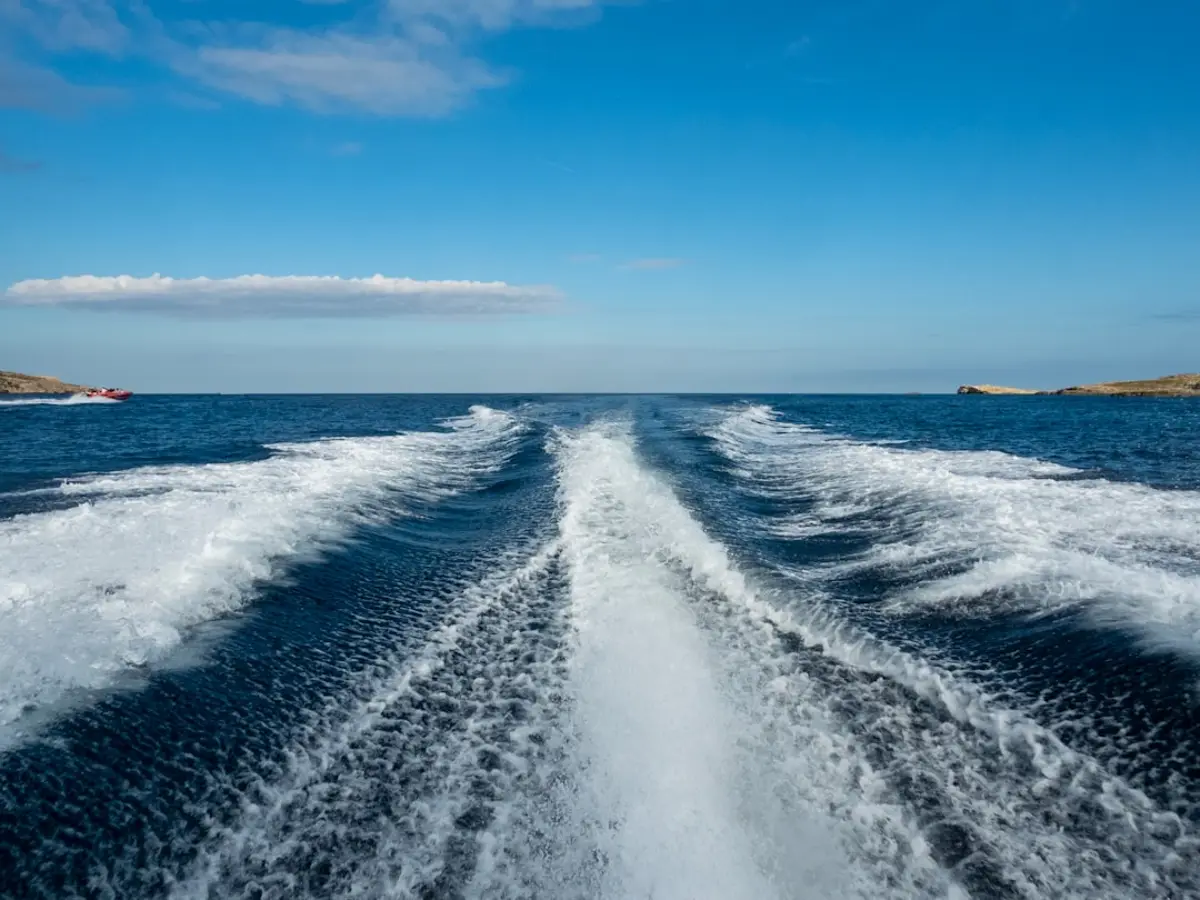
Many of Sumba’s best surf spots are only accessible by boat. Chartering a private surf boat can enhance your experience. Here’s what you need to know:
- Pricing: Charter prices can vary depending on the size of the boat and duration. Expect rates from USD 300 to USD 600 for a full day, accommodating multiple surfers.
- Booking: It’s advisable to book your charter in advance, especially during the peak season. Many companies offer packages that include meals and equipment rental.
- Routes: Discuss with your charter company about the best routes to take based on your skill level and the current surf conditions.
Exploring Nihiwatu’s Surf Scene
Nihiwatu, often regarded as one of the world’s best left-hand breaks, offers a unique surfing experience. Here’s how you can make the most of it:
- Exclusive Access: Nihiwatu is part of a private resort, so access to the wave is limited to guests. Staying at the resort can cost upwards of USD 1,000 per night, but it includes access to the exclusive surf.
- Wave Characteristics: The wave here is known for its long, barreling lefts, making it a favorite amongst experienced surfers. It’s crucial to assess the wave conditions before heading out.
- Local Guides: Consider hiring a local surf guide who knows the area well. They can provide invaluable insights into the best times and conditions for surfing Nihiwatu’s waves.
Transport and Logistics
Getting to Sumba and moving around can be part of your adventure. Here’s what you need to know:
- Flights: The nearest major airport is Tambolaka Airport (TMC), with flights from Bali and other parts of Indonesia. Prices can vary, but expect to pay around USD 100 for a one-way ticket from Bali.
- Local Transport: Renting a motorbike or hiring a driver are popular options for getting around. Motorbike rentals start at approximately USD 10 per day.
- Accommodations: Besides the luxury options like Nihiwatu, there are budget-friendly guesthouses and homestays available, with prices starting from USD 20 per night.