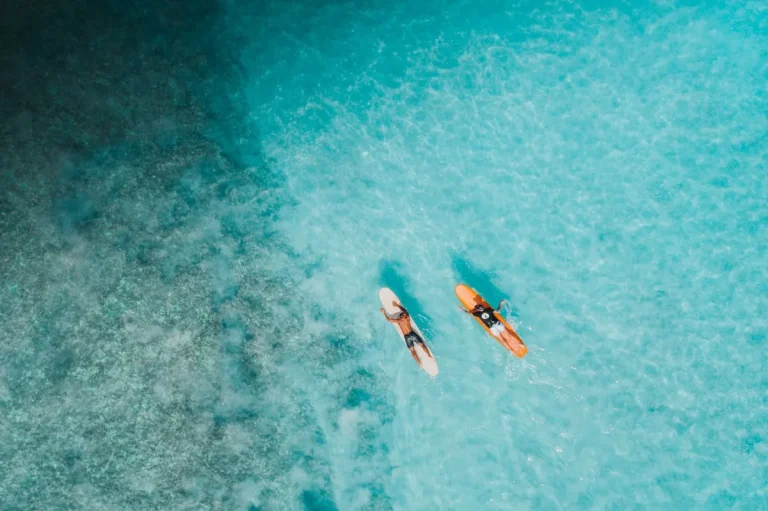
- Sumba sees fewer than 50 surfers on its prime breaks, compared to hundreds in Bali.
- Best surf season in Sumba is April to October, coinciding with dry season.
- Private charters start around $1,200 per week, providing exclusive access to pristine waves.
Understanding Surf Crowds: Sumba vs. Bali
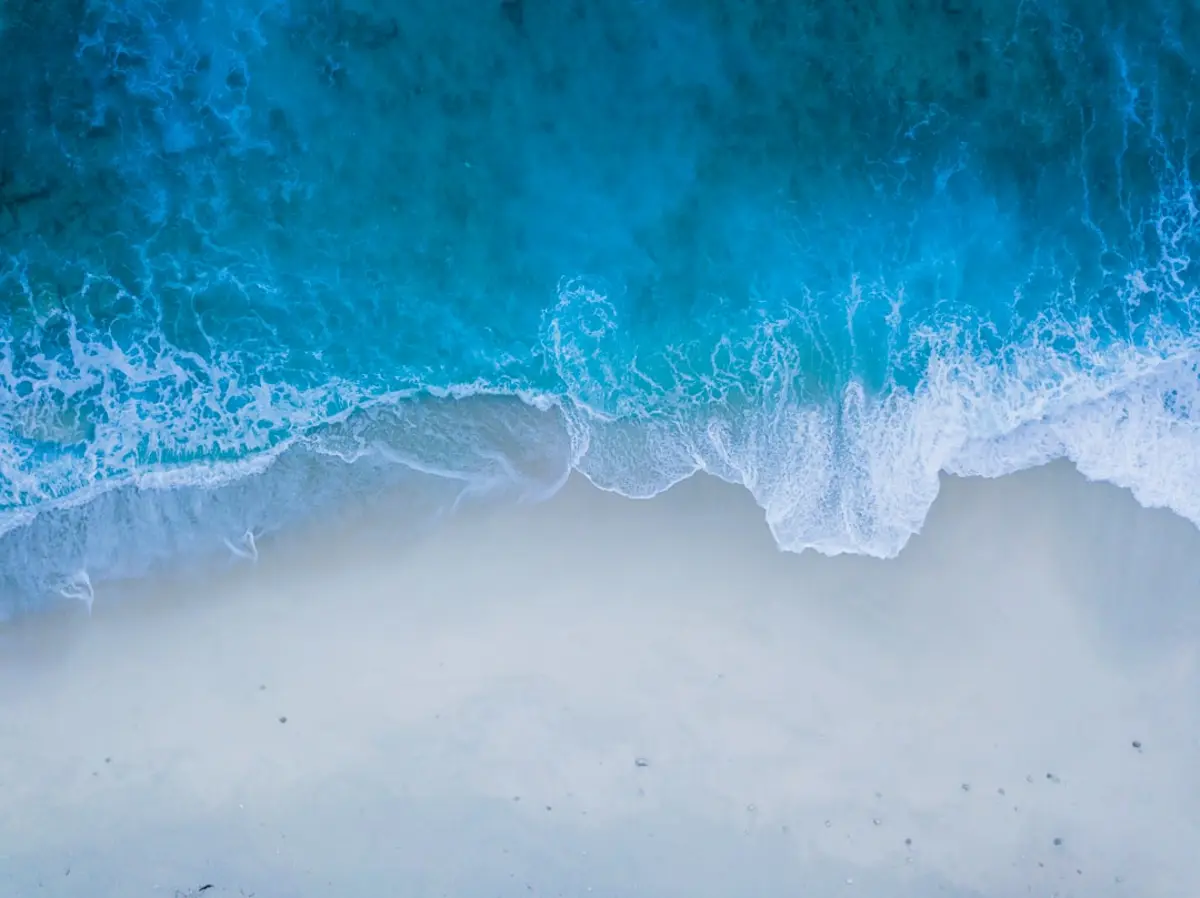
Surfing is not just about the waves; it’s also about the experience in the water. One of the significant factors influencing this experience is crowd levels. Bali has long been a globally recognized surfing hotspot, attracting surfers of all skill levels from around the world. In contrast, Sumba, located in East Nusa Tenggara, offers a different surfing experience that is appealing for those seeking solitude and less crowded waves.
Sumba Surf Crowd Levels
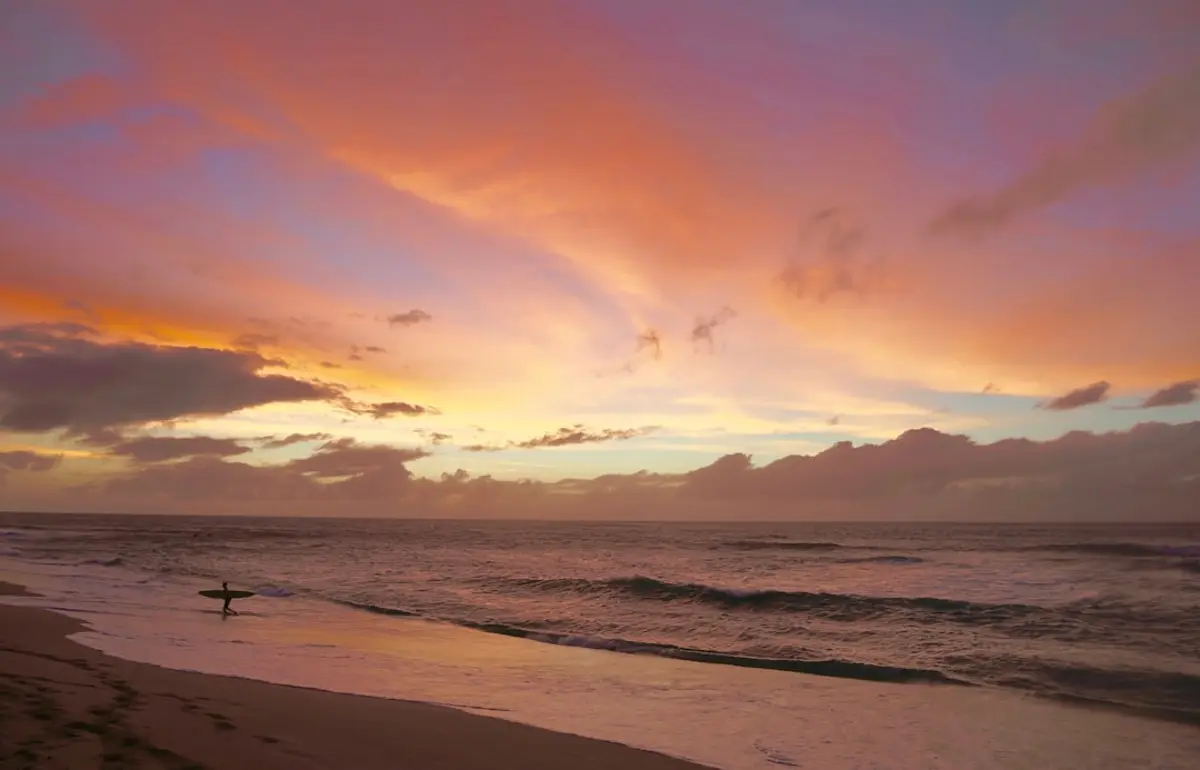
Sumba surf crowd levels are markedly lower than Bali. Surf spots like Nihiwatu and various boat-access reef breaks typically host fewer than 50 surfers even during peak season. This is a stark contrast to Bali, where popular breaks can accommodate hundreds of surfers at once.
Why the Crowd Discrepancy?
- Accessibility: Bali’s surf spots are easily accessible, with numerous surf schools and rental shops catering to tourists. Sumba, on the other hand, requires a bit more effort to reach, often necessitating boat charters or local knowledge to find the best breaks.
- Geography: Sumba is less developed and less commercialized than Bali, which means fewer tourists overall. Less commercialization translates to less foot traffic and, by extension, fewer surfers in the water.
- Seasonality: While both locations experience surfable waves year-round, Sumba’s peak surf season from April to October coincides with Bali’s wet season, which can deter some surfers from traveling there during this time.
Surfing Seasons: Sumba vs. Bali
The surfing season in Sumba runs primarily from April to October, during the dry season. This period offers the best conditions with consistent swells and offshore winds, making it ideal for surf enthusiasts. Conversely, Bali has a more extended surfing season, with good waves available year-round, but the crowd levels peak during the dry season from May to September.
Sumba’s Unique Surf Conditions
Sumba is known for its diverse surf conditions, offering everything from mellow longboard waves to challenging reef breaks that cater to experienced surfers. Some of the most notable surf spots include:
- Nihiwatu: Famous for its powerful waves and consistent surf. It’s one of the most renowned spots in Sumba, yet it remains less crowded than Bali’s famous beaches.
- Tarimbang: A striking left-hand break that provides excellent conditions for intermediate to advanced surfers.
- Bowls: A boat-accessed wave that can produce hollow barrels, ideal for those looking for challenging surf with fewer competitors.
Booking a Surf Charter in Sumba
For those looking to experience Sumba’s uncrowded surf, booking a private surf charter is the best option. These charters typically start at around $1,200 per week, providing exclusive access to various surf spots along the Sumba coastline. A typical charter includes:
- Accommodation on the boat or at a nearby surf lodge.
- Daily surf trips to different locations based on wave conditions.
- Local surf guides who know the area, ensuring you hit the best spots at the optimal times.
To book your surf charter, you can visit Sumba Surf Charter for detailed information on pricing, itineraries, and tips for planning your trip.
Comparing Surf Experiences: Sumba vs. Bali
While Bali offers a vibrant surf culture with numerous amenities, the experience can be overwhelming due to the high volume of surfers. In Sumba, the lower crowd levels allow for a more intimate connection with the ocean and the surf community. Surfers can enjoy the waves without the anxiety of navigating through a crowded lineup.
Cost Considerations
While Bali has a wide range of surf packages, including budget options, Sumba’s private charters can seem pricier upfront. However, the exclusivity and access to less crowded waves often justify the cost for serious surfers looking for a unique experience. Keep in mind that additional costs may include:
- Flights to Sumba, which can vary based on the season and booking time.
- Transfers from the airport to your charter location.
- Meals and additional activities that may not be included in the charter package.
Travel Logistics for Sumba Surf Charters
Getting to Sumba requires a bit more planning compared to Bali. Flights to Sumba are available from Bali or Jakarta, with carriers like Wings Air and Garuda Indonesia offering regular services. A round-trip ticket can cost between $150 and $300 USD, depending on the season and how far in advance you book. Once you arrive at Tambolaka Airport in Sumba, you can arrange for a transfer to your accommodation or directly to your surf charter, which can be organized through your charter operator or hotel.
Exploring Sumba Beyond the Waves
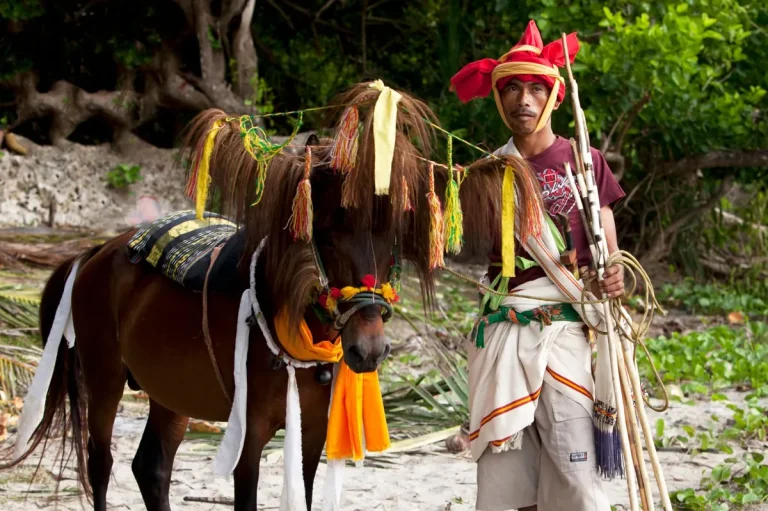
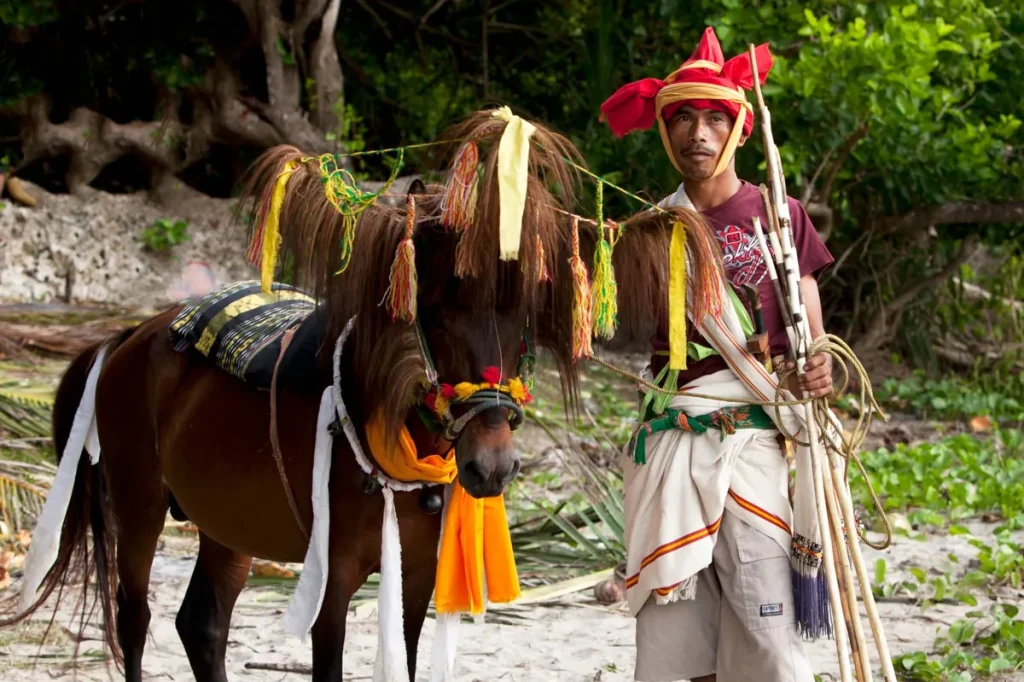
While surfing is a major draw, Sumba offers much more for those willing to explore. The island is known for its striking natural beauty and rich cultural heritage. After a day on the waves, visitors can explore traditional Sumbanese villages, such as Ratenggaro, known for its iconic high-peaked traditional houses. For a fee of around $5 USD, local guides can provide a tour of these cultural sites.
Additionally, Sumba is home to sweeping landscapes such as Weekuri Lake, a saltwater lagoon perfect for a refreshing swim, located about 60 kilometers from Tambolaka. Entrance fees are approximately $1 USD per person. For those interested in hiking, the hills of Wairinding offer panoramic views of the island’s rolling savannas, particularly striking at sunset.
Practical Tips for Surfing in Sumba
When planning your surf trip to Sumba, consider the following tips to enhance your experience:
- Travel Insurance: Ensure you have comprehensive travel insurance that covers surfing activities, as medical facilities on the island are limited.
- Local Currency: While some surf charters and lodges accept credit cards, it’s advisable to have cash (Indonesian Rupiah) for smaller transactions and tips.
- Respect Local Culture: Sumba has a rich cultural heritage, so it’s important to respect local customs and traditions, particularly in more remote areas.
- Stay Hydrated: The tropical climate can be quite hot, so make sure to drink plenty of water, especially when spending long hours in the sun.