- Best conditions from May to September.
- Average water temperature of 27°C (81°F).
- Charter options available for easy access to prime surf spots.
Overview of Sumba Surfing Season
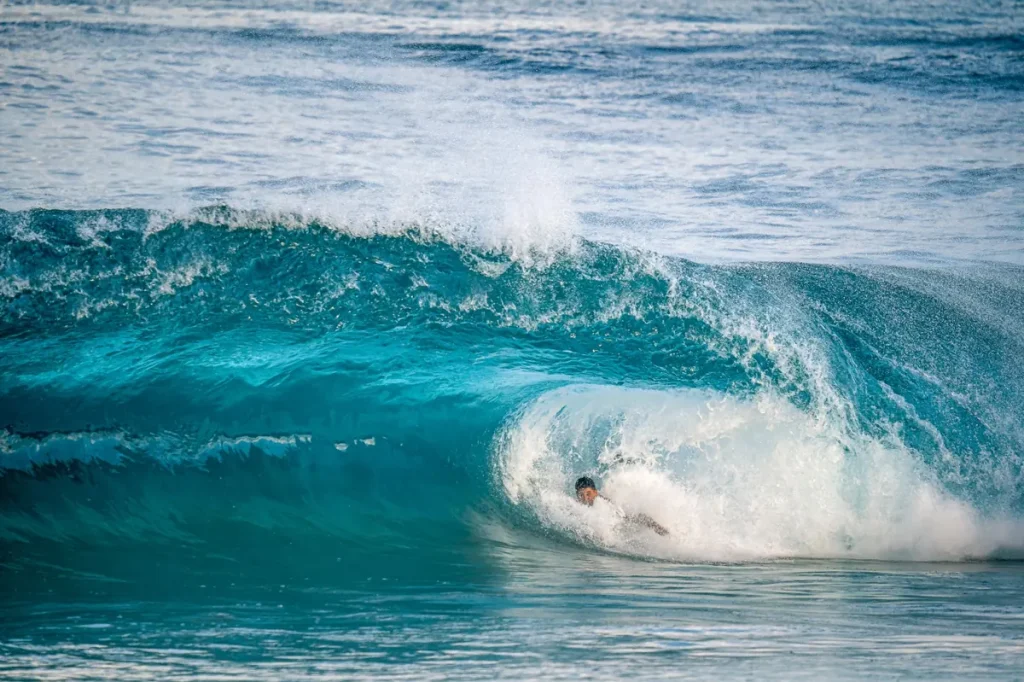
Sumba, located in East Nusa Tenggara, Indonesia, is increasingly recognized for its surf potential. The dry season runs from May to September, offering ideal conditions for surfers of all skill levels. During this period, the weather is predominantly sunny, with consistent offshore winds, making it the prime time to experience Sumba’s unique surf breaks.
Surf Conditions in the Dry Season
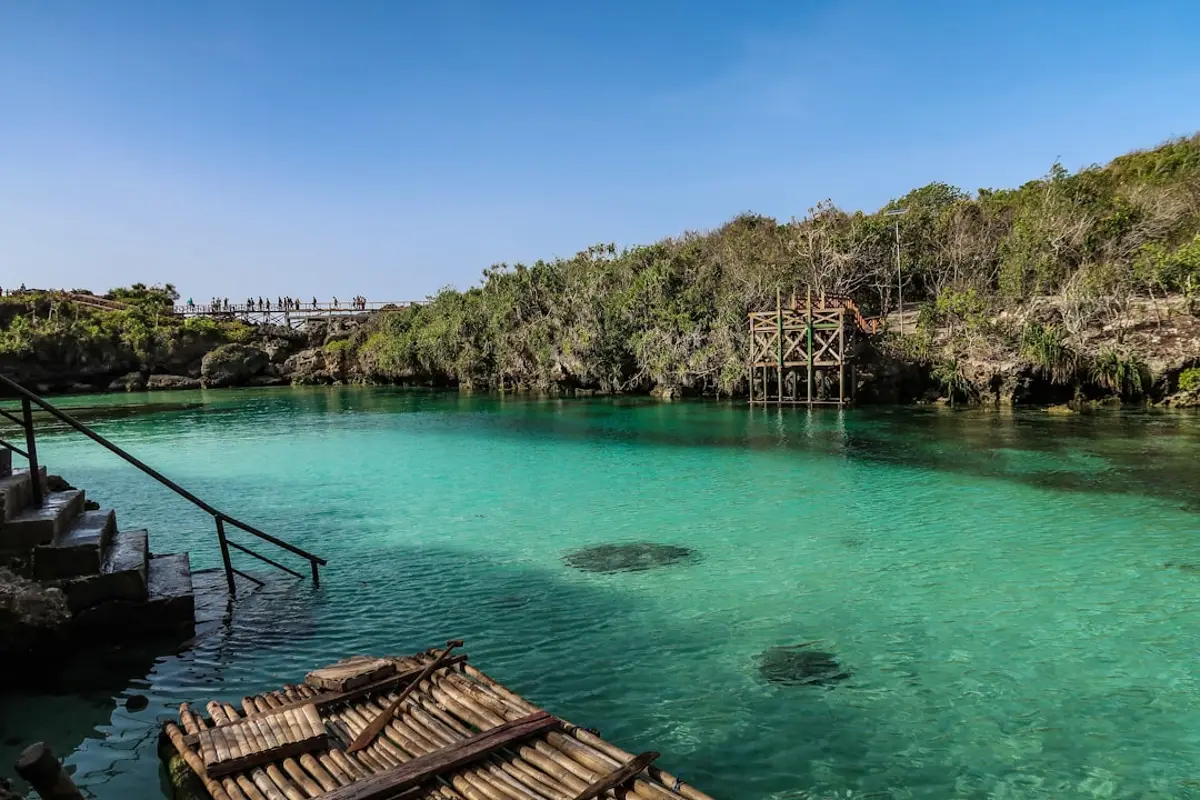
The dry season is characterized by consistent swells from the Indian Ocean, providing a variety of wave types. Here’s what you can expect:
Wave Quality
– Reef Breaks: Sumba features numerous reef breaks that cater to different skill levels. The most popular spots include:
– Nihiwatu: Known for its powerful waves and beautiful scenery.
– Marosi: Offers a more mellow wave, suitable for beginners and longboarders.
– Tarimbang: A challenging wave for experienced surfers, best during larger swells.
Wave Size
– Small to Medium Swells: Typically, waves range from 1 to 8 feet (0.3 to 2.5 meters), with the larger swells occurring in July and August.
– Consistency: Expect waves every day, with some spots offering offshore winds that enhance wave quality.
Weather Conditions
– Temperature: Air temperatures hover around 30°C (86°F), while water temperatures remain a warm 27°C (81°F).
– Rainfall: Minimal rainfall during the dry season makes it an ideal time for outdoor activities and exploration.
Surfing Tips for Sumba
To make the most of your surf experience in Sumba, consider the following tips:
Boat Charters
– Private Surf Charters: Many surf spots are accessible only by boat. Consider booking a private surf charter to explore lesser-known reefs and enjoy flexibility in your surf schedule.
– Charter Pricing: Prices typically range from USD 100 to USD 250 per day, depending on the size of the boat and the duration of the trip. Group rates may apply.
Equipment Recommendations
– Surfboards: Bring a variety of boards if possible. A shortboard is ideal for the powerful reef breaks, while a longboard can be fun for mellower days.
– Leash and Wax: Ensure you have a reliable leash and the right wax for warmer water conditions.
Local Etiquette
– Respect Local Surfers: Sumba has a growing surf culture. Be mindful of local surfers and practice patience in the water.
– Environmental Awareness: Keep the beaches clean and avoid littering to preserve the natural beauty of the area.
Nihiwatu: A Surfer’s Sanctuary
Nihiwatu, often referred to as one of the world’s best left-hand waves, is a must-visit for surfers in Sumba. Located approximately 30 kilometers from Waikabubak, this surf spot is part of the exclusive Nihi Sumba Resort. Accessing Nihiwatu requires a stay at the resort, with nightly rates starting at around USD 900. The luxury experience includes access to private surf sessions, guided by experienced local surfers who know the breaks intimately.
Exploring Tarimbang: Adventure Beyond the Waves
Tarimbang is not only known for its surf but also for its sweeping landscapes. Situated about 90 kilometers from Waingapu, the journey to Tarimbang offers scenic views of Sumba’s rugged terrain. Accommodation options near Tarimbang range from basic homestays for USD 20 per night to more comfortable lodges at around USD 50 per night. The area’s remote beauty makes it perfect for those seeking solitude and an authentic connection with nature, away from the more crowded surf spots.
Getting Around Sumba: Practical Travel Tips
Navigating Sumba requires some planning, as public transportation options are limited. Here are a few practical tips:
Car Rentals and Local Transport
– Car Rentals: Hiring a car with a driver is a convenient option for getting around the island. Rates typically start at USD 50 per day, including fuel.
– Scooter Rentals: For the more adventurous, scooters can be rented for around USD 10 to USD 15 per day. Always wear a helmet and be cautious of road conditions.
Seasonal Considerations
– Peak Season: The dry season, particularly July and August, can be busy. Book accommodations and charters in advance to secure your spot.
– Off-Peak Travel: Consider visiting in May or September for fewer crowds and potentially more favorable rates.
Local Cuisine and Dining Experiences
Sumba offers a rich culinary experience that complements its surf culture. While surfing the waves, don’t miss out on the local cuisine:
Warungs and Local Eateries
– Traditional Dishes: Try “kolo,” a traditional Sumbanese dish of rice cooked in bamboo, which can be found in local warungs for about USD 2 to USD 5.
– Seafood Specialties: Freshly caught fish and seafood are staples in Sumba. Enjoy a seafood feast at a beachfront restaurant for around USD 10 to USD 15.
Dining at Nihi Sumba Resort
– Luxury Dining: Guests at Nihi Sumba Resort can indulge in gourmet meals that blend local flavors with international cuisine. Expect to pay a premium for this unique dining experience, with meals often included in the resort’s all-inclusive packages.
Additional Activities in Sumba
Beyond surfing, Sumba offers a wealth of activities for travelers looking to explore the island’s culture and landscapes:
Trekking and Waterfalls
– Lapopu Waterfall: Located about 45 kilometers from Waikabubak, this striking waterfall offers a refreshing escape. Entry fees are minimal, typically around USD 1.
– Wairinding Hill: Known for its panoramic views, this hill is perfect for a sunset trek. It’s about a 30-minute drive from Waingapu.
Cultural Experiences
– Traditional Villages: Visit local villages like Prai Ijing to learn about Sumbanese culture and traditional houses. Many tours can be arranged for around USD 20 to USD 30 per person.
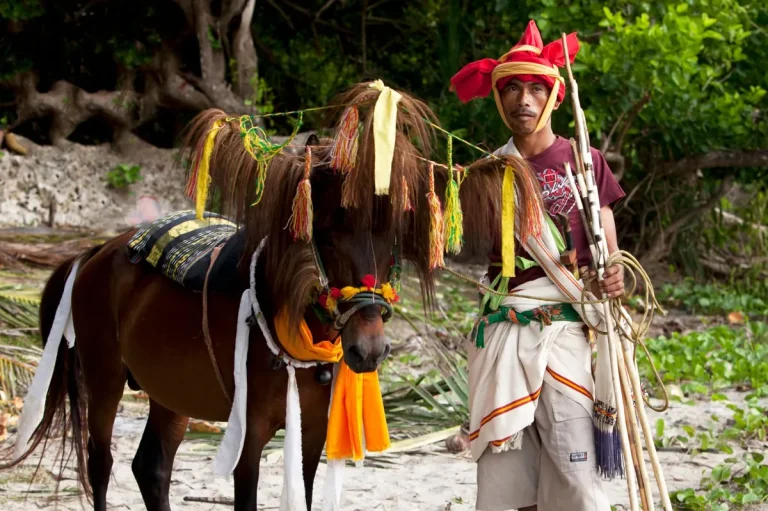
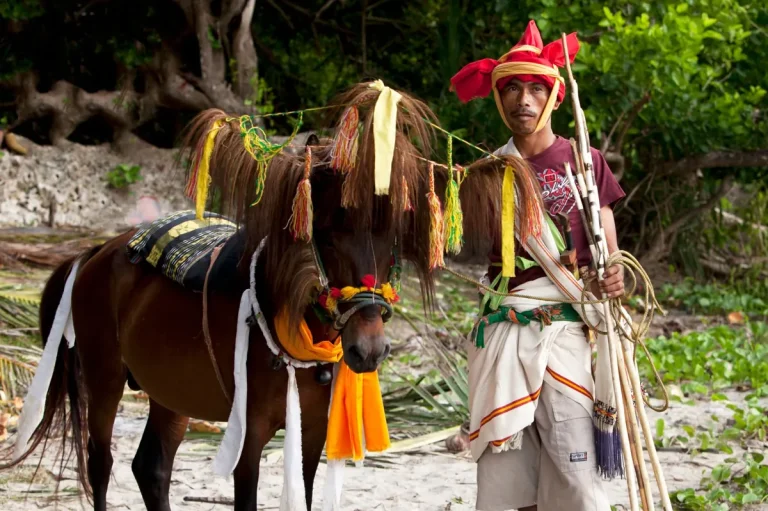
– Pasola Festival: If visiting in February or March, don’t miss the Pasola Festival, a traditional horseback fighting event that showcases Sumba’s rich cultural heritage.