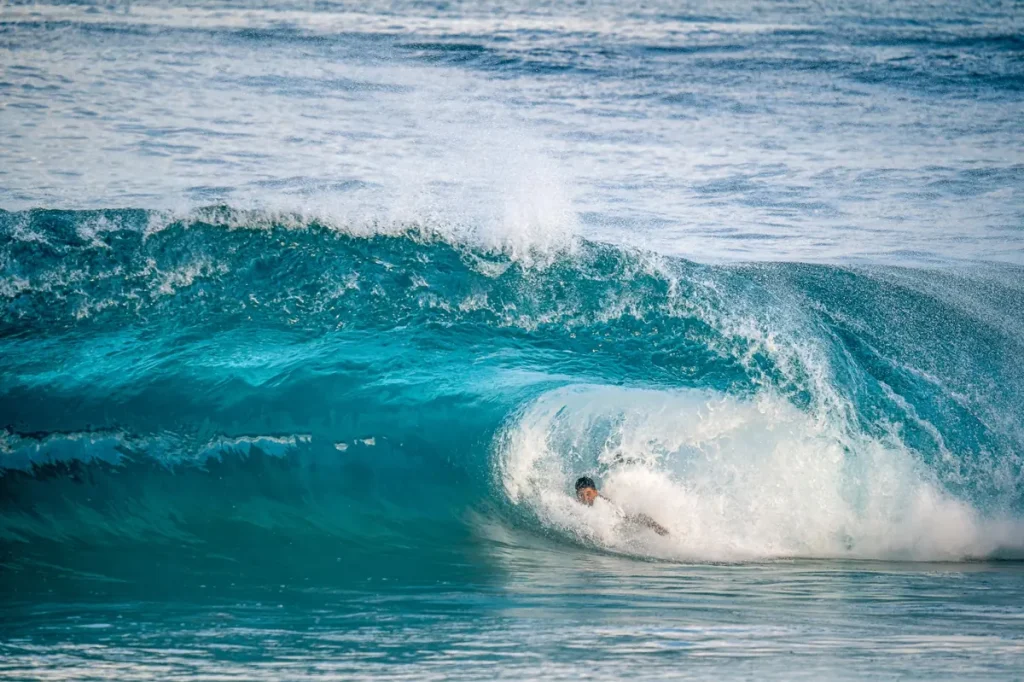
- Warm water temperatures averaging 27-29°C (81-84°F).
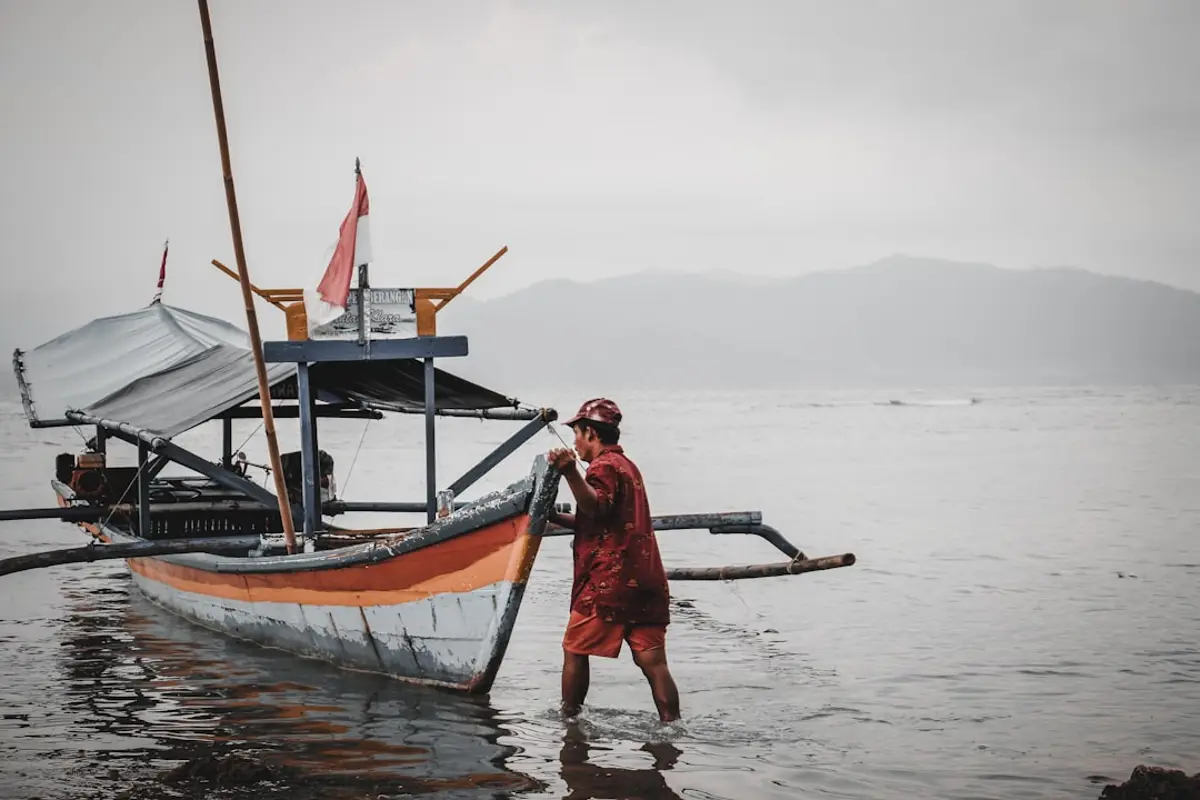
- Access to remote reef breaks via private charter boats.
- Surf conditions suitable for all skill levels.
Overview of Sumba and Its Surfing Potential
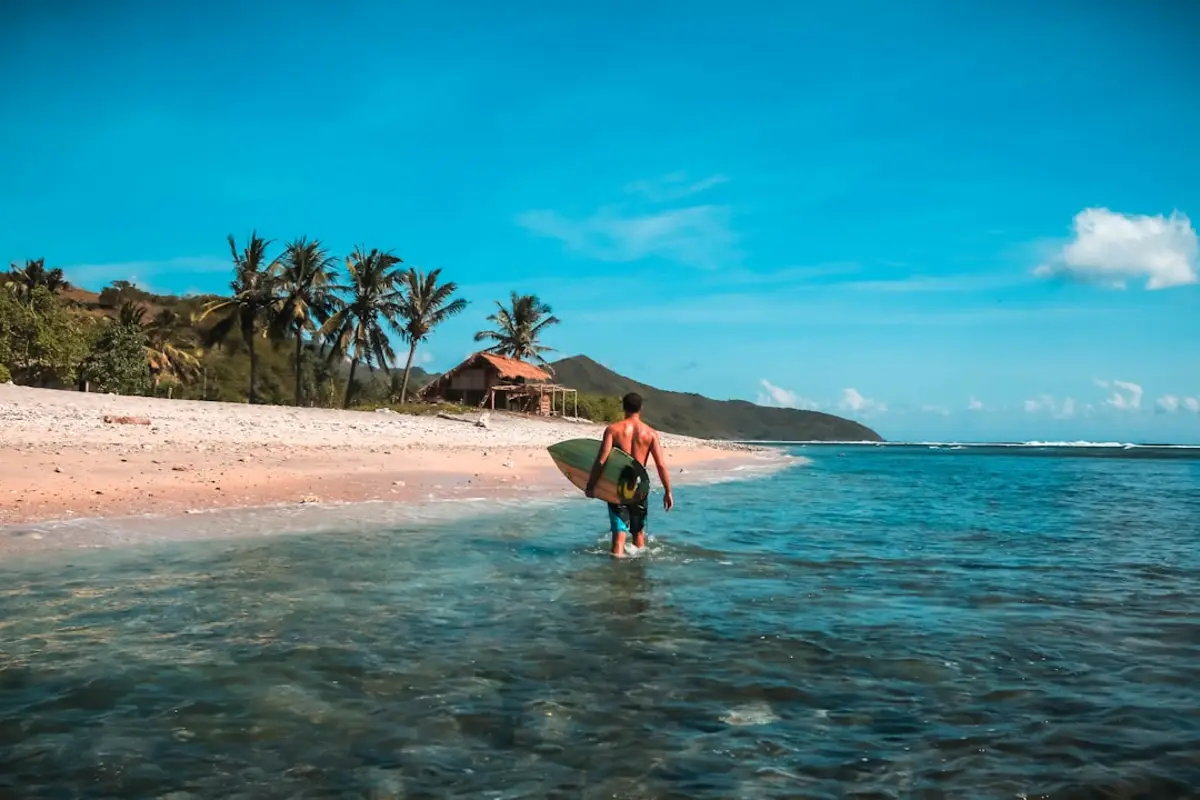
Sumba, an island in East Nusa Tenggara, Indonesia, offers an range of surf spots that cater to different skill levels, from beginners to advanced surfers. Its coastline features a mix of beach breaks and reef breaks, making it a versatile surfing destination. The November surf conditions mark the transition into the wet season, which brings about notable changes in wave quality and consistency.
Surf Conditions in November
November marks the onset of the wet season in Sumba. The ocean begins to swell, increasing the frequency and size of waves, which can reach heights of 2-6 feet or more, depending on the specific break and weather conditions. As the month progresses, surfers can expect:
- More consistent swells with the possibility of larger sets.
- Wind conditions that generally favor morning sessions, with lighter offshore winds.
- Water temperatures that remain warm, ranging from 27-29°C (81-84°F), ideal for boardshorts or bikinis.
The combination of these factors creates optimal surfing conditions, with less crowded beaches compared to the peak dry season months.
Top Surf Spots in Sumba
Several key surf spots around Sumba are accessible via private charter boats, allowing surfers to reach less crowded and more pristine waves. Here are some of the highlights:
Nihiwatu
Nihiwatu is one of the most famous surf spots in Sumba, known for its reliable left-hand reef break. The wave breaks over a shallow reef, and it’s best suited for intermediate to advanced surfers who can handle the power of the waves.
Tarimbang Beach
Tarimbang Beach offers a laid-back atmosphere and consistent waves that cater to all skill levels. The beach break here can produce fun and manageable waves, making it a great spot for beginners and more experienced surfers alike.
Watu Bella
Watu Bella features a right-hand reef break that can be quite challenging, particularly during larger swells. This spot is best suited for those with experience but can provide exciting rides when conditions align.
Other Notable Breaks
Aside from the well-known spots, Sumba offers several hidden breaks that are often less crowded. Exploring these can lead to discovering some incredible waves, perfect for surfers looking for adventure.
Charter Options and Pricing
Booking a private surf charter is the most efficient way to access Sumba’s surf breaks. Charter services typically include transportation to various surf spots, equipment rental, and sometimes meals and accommodation. Here’s a breakdown of what to expect:
- Pricing: Private charters usually range from USD 100 to USD 200 per day, depending on the size of the group and included services.
- Duration: Most charters offer full-day trips, while some provide multi-day packages for a more extensive surfing experience.
- Inclusions: Many charters come equipped with surfboards, lunch, and drinks, making for a hassle-free surfing adventure.
When booking a charter, it’s advisable to book in advance, especially during the peak surfing months.
How to Book Your Surf Charter
Booking a surf charter in Sumba can be done through various online platforms or directly via charter provider websites. Here are the steps to ensure a smooth booking process:
- Research Providers: Look for reputable charter companies that have good reviews and a solid track record in the area.
- Check Availability: Contact the charter to confirm availability for your desired dates, especially during the popular surfing season.
- Confirm Inclusions: Ensure you understand what is included in the charter price, such as gear, meals, and transportation.
- Payment: Be prepared to pay a deposit to secure your booking. Prices vary, but most charters require at least a 20-50% deposit.
Travel Logistics and Accommodation
Getting to Sumba involves a bit of planning, but it is well worth the effort. Most travelers fly into Tambolaka Airport (TMC) or Waingapu Airport (WGP), with flights from Bali or Jakarta. From Bali, the flight takes about 1.5 hours and costs around USD 100-150 for a return ticket. It’s advisable to book flights early, especially during peak season.
Once on the island, transportation options include renting a motorbike or hiring a car with a driver. Motorbike rentals cost approximately USD 10 per day, while car rentals with a driver can range from USD 50-70 per day.
Accommodation Options in Sumba
Sumba offers a range of accommodation options to suit different budgets and preferences, from luxury resorts to budget-friendly guesthouses.
Nihiwatu Resort
For those seeking luxury, Nihiwatu Resort, now known as Nihi Sumba, offers an exclusive experience with villas starting at around USD 1,500 per night. This resort provides sweeping views and access to the island’s prime surf spots.
Sumba Surf Camp
A more affordable option is the Sumba Surf Camp, which offers rooms starting at USD 50 per night. It provides a relaxed atmosphere and easy access to nearby surf breaks, making it ideal for surfers who want to be close to the action.
Local Homestays
For a more authentic experience, consider staying in a local homestay. Prices can be as low as USD 20 per night, and you’ll have the chance to experience Sumbanese culture firsthand.
Seasonal Considerations for Surfing in Sumba
While November is a great time for surfing in Sumba, it’s important to consider the seasonal changes that can affect your surfing experience.
Dry Season (April to October)
During the dry season, the waves are generally smaller and more suited to beginners. The weather is dry and sunny, making it a popular time for tourists.
Wet Season (November to March)
The wet season brings larger swells, ideal for more experienced surfers. However, it also means more rain and potentially rougher seas. Be prepared for changing weather conditions and pack accordingly.
Local Culture and Etiquette
When surfing in Sumba, it’s important to respect the local culture and environment.
- Respect Local Customs: Sumba has a rich cultural heritage, and visitors should be mindful of local customs and traditions.
- Environmental Awareness: Keep the beaches clean and be mindful of the natural environment. Avoid using single-use plastics and dispose of waste properly.
- Interact with Locals: Engage with local communities and support local businesses. This not only enriches your experience but also benefits the local economy.
By following these guidelines, you can ensure a respectful and enjoyable surfing experience in Sumba.