- Average wave height: 3 to 6 feet
- Water temperature: 28°C (82°F)
- Best winds: East-Southeast
April Surf Conditions Overview
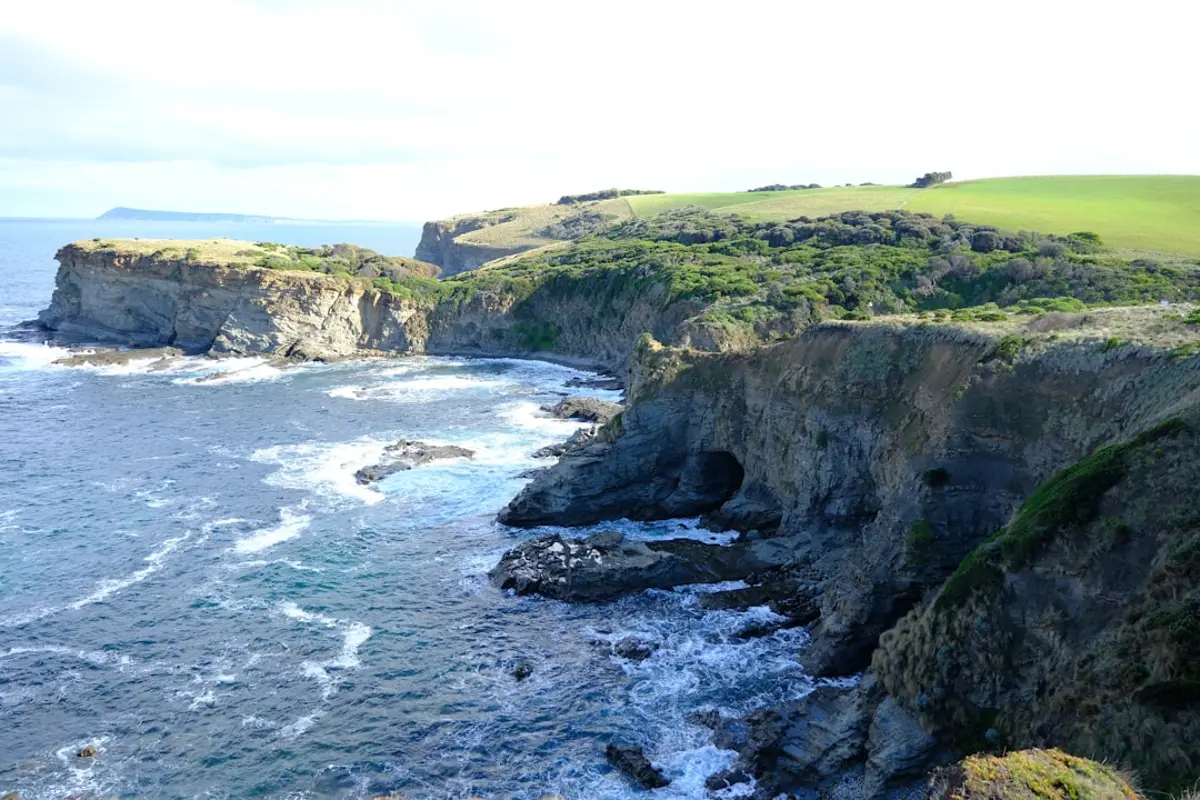
April marks the transition from the wet to the dry season in Sumba, East Nusa Tenggara, making it a prime time for surfers seeking quality waves. The island’s unique geographical position means it benefits from consistent swells generated by the Indian Ocean, leading to optimal surfing conditions.
Wave Heights and Types
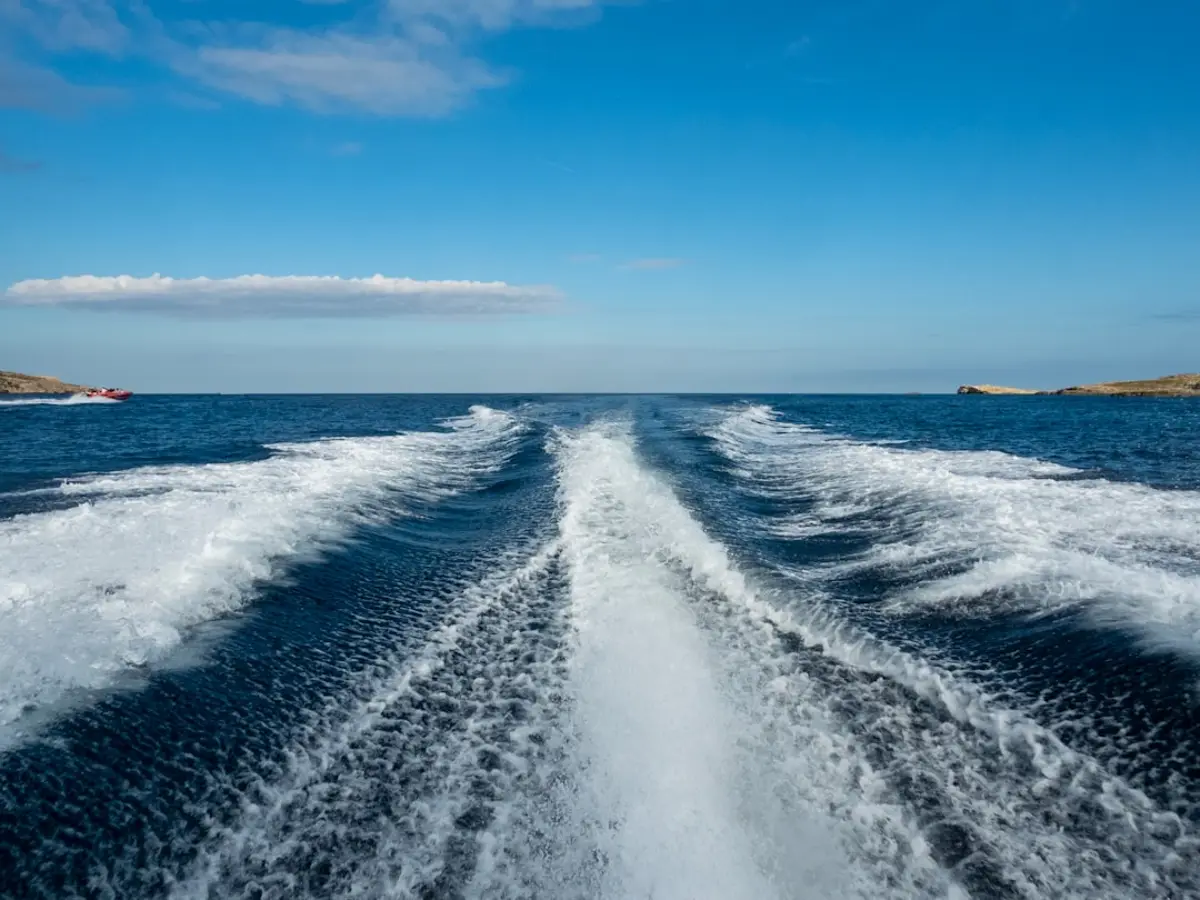
In April, surfers can typically expect wave heights ranging from 3 to 6 feet. These conditions are suitable for both intermediate and advanced surfers. The reefs around Sumba feature a variety of breaks, including lefts and rights, catering to different preferences.
The most popular spots include:
- Nihiwatu – Known for its powerful left-handers, ideal for experienced surfers.
- Marosi – A more forgiving wave, suitable for intermediate surfers.
- Weekuri – A unique spot that offers a fun and playful wave for all levels.
Wind and Weather Conditions
April generally brings favorable wind conditions, predominantly from the East-Southeast. These winds help create clean, well-formed waves. The average temperature during this month hovers around 28°C (82°F), providing comfortable conditions both in and out of the water.
Precipitation decreases significantly in April, making it less likely to encounter rain during your surf sessions. This increase in sunshine boosts water clarity, allowing for a better experience both for surfers and photographers alike.
Water Temperature and Suitability
The water temperature in April is typically around 28°C (82°F), making it warm enough for most surfers to go without a wetsuit. A rash guard or board shorts are usually sufficient, allowing for maximum comfort and mobility while riding the waves.
Crowds and Accessibility
April is considered a shoulder season in Sumba, meaning that while there are surfers around, the crowds are manageable compared to peak months like July and August. This allows for a more relaxed experience, if you are paddling out at a popular spot or exploring lesser-known breaks.
Accessibility to Sumba’s waves is primarily through private surf charters, which provide boat access to various reef breaks. With Sumba Surf Charter, you can book a trip that takes you directly to the waves that suit your skill level and preferences.
Charter Boats and Pricing
When considering a surf trip to Sumba, it’s crucial to understand the pricing structure for charter boats. Sumba Surf Charter offers competitive pricing, with packages starting at approximately USD 1,200 for a week-long charter. This includes accommodations, meals, and surf guiding for up to 4 surfers, making it an excellent value for those looking to maximize their time in the water.
For larger groups or extended trips, custom packages can be arranged. Early booking is advised to secure the best rates and availability, particularly during peak surf seasons.
Booking Your Surf Trip
Booking a trip with Sumba Surf Charter is a straightforward process. Simply visit our website and navigate to the faq section for detailed information about itineraries, accommodations, and what to expect on your trip.
To reserve your spot, fill out the booking form or contact our team directly via email or phone. We recommend booking at least three months in advance, especially if you plan to visit during the peak surf months.
Surfing Opportunities in April: Nihiwatu to Marosi
April is a prime time for surfers at Sumba reefs, with consistent waves and a serene atmosphere. Nihiwatu offers powerful waves for the thrill-seekers, while Marosi’s fun rights provide a more relaxed ride. The water remains warm, complemented by favorable wind conditions, making it suitable for both seasoned surfers and novices aiming to refine their skills.
To maximize your surf adventure, consider private surf charters that allow exploration of Sumba’s diverse coastal spots. This flexibility ensures that you find the best conditions and enjoy a memorable surfing experience. Planning specifics? See see current rates or compare packages.
Exploring Beyond the Waves: Sumba’s Cultural and Natural Attractions
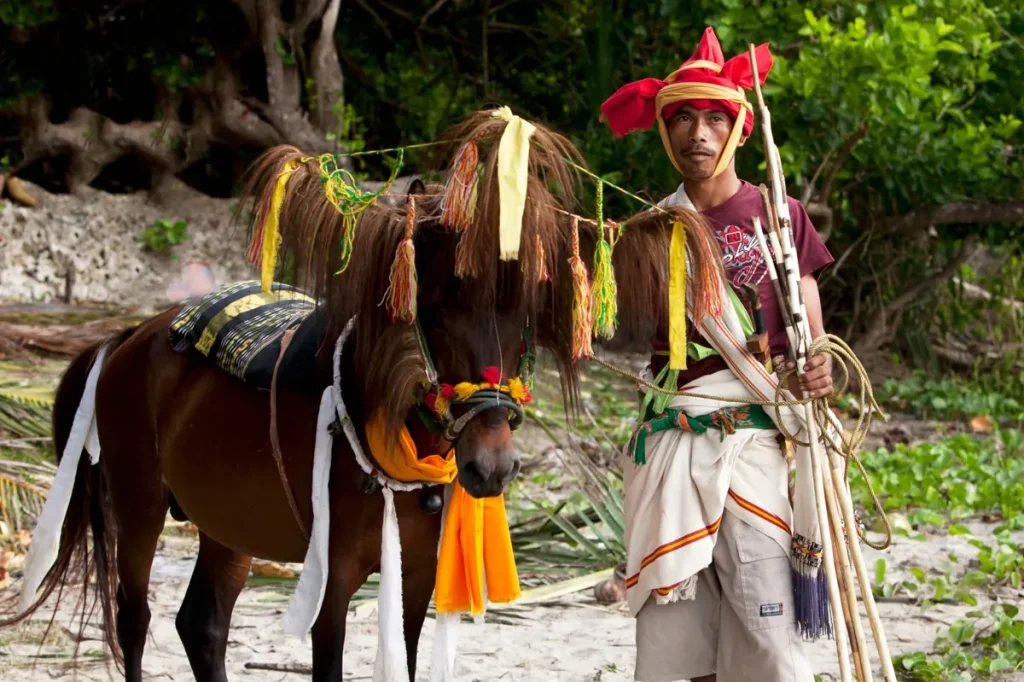
While surfing is the main draw for visitors to Sumba, the island offers a wealth of cultural and natural attractions that are worth exploring. Sumba is renowned for its traditional villages, where you can witness the unique architecture of houses with high-pitched roofs and learn about the island’s rich heritage. The village of Prai Ijing, located approximately 20 kilometers from Waikabubak, offers an authentic glimpse into the island’s cultural roots. Visitors can engage with locals and experience traditional crafts and ceremonies.
Practical Travel Tips for Sumba
Traveling to Sumba requires some planning due to its remote location. The nearest major airport is Tambolaka Airport (TMC), which offers flights from Bali and other parts of Indonesia. A typical flight from Bali to Sumba takes about 1.5 hours and prices can range from USD 100 to 150 depending on the season. Once on the island, renting a motorbike or hiring a driver is the most practical way to explore, as public transportation is limited.
Accommodation options in Sumba range from luxury resorts like the renowned Nihi Sumba, where prices start around USD 800 per night, to more budget-friendly guesthouses and homestays in towns like Waikabubak and Waingapu, where prices can be as low as USD 20 per night. Always book accommodations in advance, especially if visiting during the surf season.
Local Cuisine and Dining Options
Sumba offers a unique culinary experience with its traditional dishes. Be sure to try Ikan Kuah Asam, a sour fish soup, and Kaparak, a Sumbanese grilled meat dish marinated in local spices. Dining options vary from small local warungs where meals cost around USD 3 to 5, to upscale dining experiences at resort restaurants like the Ombak Restaurant at Nihi Sumba, where a meal can cost upwards of USD 50. Exploring local markets is also a great way to sample fresh produce and snacks while mingling with locals.