Kai Lindqvist, Editor of Sumba Surf Charter
Who I Am
Welcome to my corner of the Sumba Surf Charter world. I’m Kai Lindqvist, your guide and editor, passionate about making the remote and rugged beauty of Sumba’s surf accessible to those who seek it. My journey with the waves of Sumba began over a decade ago, and since then, I’ve been fortunate to carve out a life immersed in the rhythm of the ocean. Through my writing and exploration, I aim to share the essence of Sumba’s unique surf culture with fellow wave enthusiasts.
Years On The Sumba Coast
Spending years on the Sumba coast has given me a deep appreciation for its dynamic surf environment. This region, particularly around Nihiwatu, is renowned for its dry-season SW-swell zone, presenting a range of high-quality reef waves accessible by resort tenders and regional surf boats. My intimate knowledge of this area allows me to offer insights that only come with years of experience riding these waves and understanding their moods.
How I Read The Swell
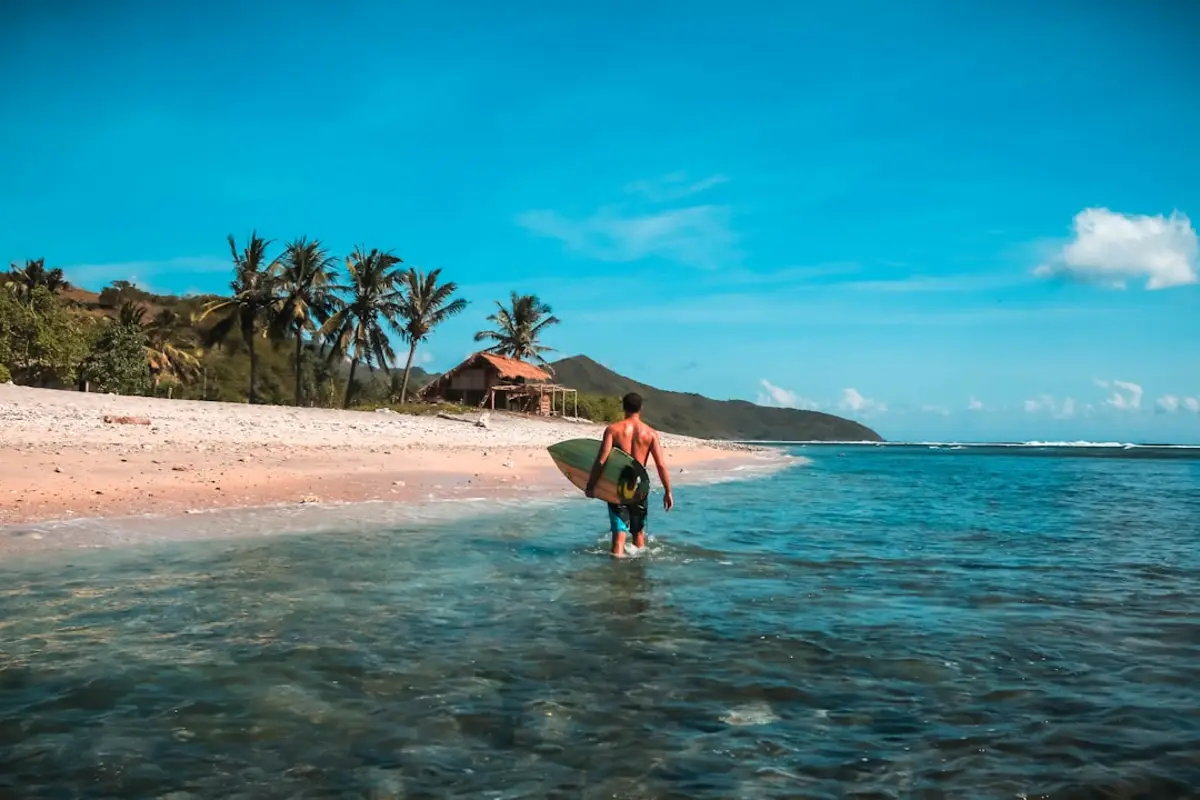
At the heart of Sumba’s surf experience is Occy’s Left, also known as Nihiwatu Left or God’s Left. It’s a long, powerful left-hand reef/point that requires an advanced skill set due to its shallow coral reef, heavy sections, and speed. The ideal swell for Occy’s Left is the S-SW groundswells, which become rideable at head-high and solid from about 3–12 ft open-ocean swell, holding double overhead with periods of 14 seconds or more. The best conditions often coincide with mid–high tide and E–NE trade winds, typical during the dry season.
On The Boats
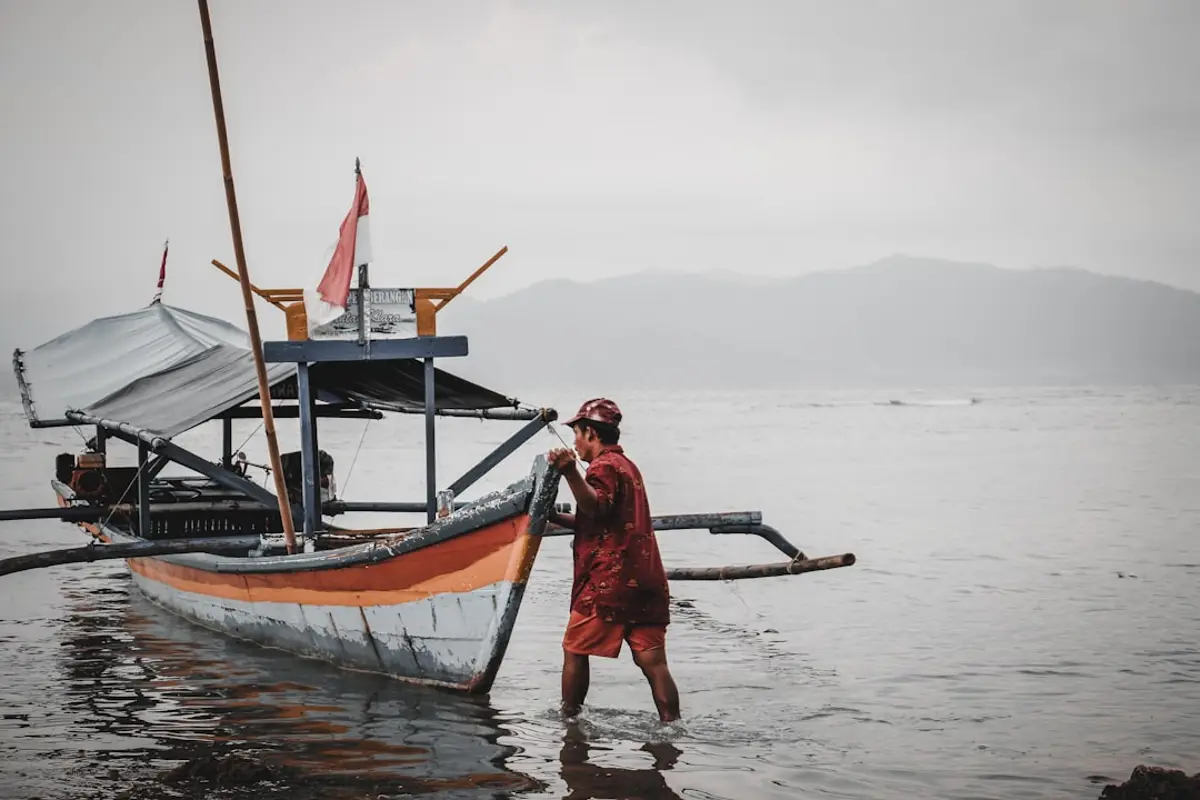
The boats are an integral part of the Sumba surf experience. Traditional wooden phinisi schooners and resort-based speedboats are commonly used to access the waves. These vessels, ranging from 20 to 40 meters in length, offer a unique liveaboard experience. Phinisi schooners, with their 4–8 guest cabins, are perfect for multi-week Sumba/Savu/Rote routes, while speedboats provide day-trip options. Life on board is about camaraderie and the thrill of chasing waves together.
What I Tell First-Timers
For those experiencing Sumba’s surf for the first time, it’s crucial to understand the skill levels required for each break. Occy’s Left is strictly for advanced surfers due to its challenging conditions. Other spots, like Miller’s Right and Pero, offer more forgiving waves, suitable for intermediate surfers. It’s essential to respect the ocean’s power and approach each session with caution and respect for the local environment.
The Nihiwatu Wave Quota & Why It Matters
One of the standout features of surfing at Nihiwatu is the wave quota system. This policy limits the number of surfers at Occy’s Left to maintain the quality of the experience. With a cap of 15 registered surfers per day, often fewer than 10 in the water, it ensures that every session is uncrowded, allowing surfers to truly connect with the wave. This system is a key part of what makes surfing at Nihiwatu so special.
How I Plan A Charter
Planning a charter in this region involves understanding the seasonal patterns and selecting the right vessel for the journey. Whether it’s a mid-range shared charter or a private phinisi, each trip is tailored to the group’s preferences and surfing ability. The routes often include a mix of renowned and lesser-known breaks, offering a comprehensive surf experience. For more details, you can explore our routes and destinations.
Why I Write This Site
Writing about Sumba’s surf culture is my way of sharing the beauty and thrill of these waves with a wider audience. Through detailed guides and updates, I aim to provide valuable information for surfers looking to explore this part of Indonesia. If you’re planning your first trip or seeking to deepen your understanding of the region, you’ll find a wealth of resources in our full guide. If you’re ready to book your next adventure, check out our booking options.
Reading the Forecast Charts I Trust
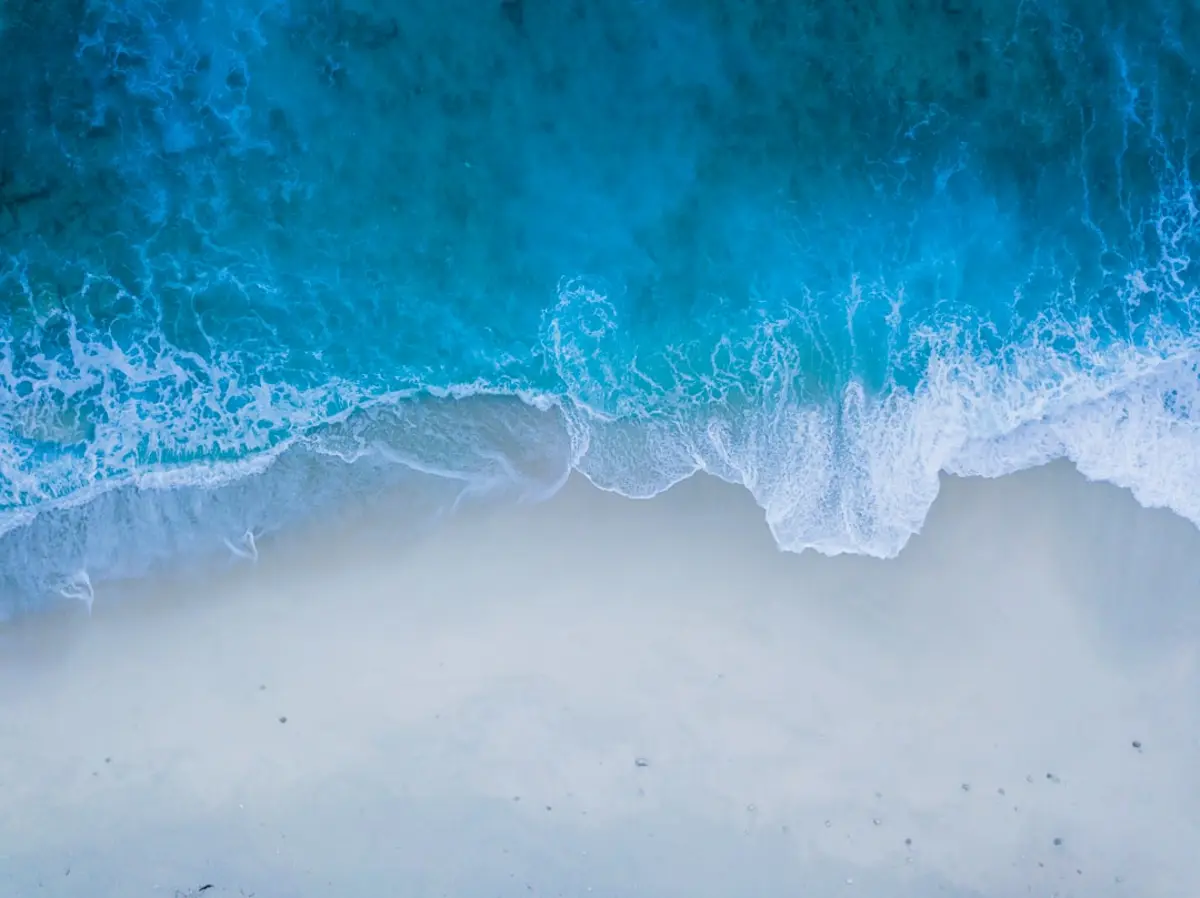
When planning a surf trip to Nihiwatu, it’s crucial to understand the forecast charts. I look for a swell period of 14 seconds or more, coming from the S-SW direction. This indicates robust, well-formed waves that are ideal for Occy’s Left. The open-ocean swell size must be between 3 to 12 feet, which translates into head-high to double-overhead waves at the break. Timing your session with the mid-to-high tide is essential, as it allows the wave to break more cleanly over the shallow reef. These conditions create the perfect setup for experienced surfers looking to tackle the powerful left-hand reef break.
Boards and Reef Gear I Recommend
For tackling the powerful waves at Nihiwatu, choosing the right board is essential. I recommend boards with a bit more volume than usual to help with paddling into the faster, heavier sections. Reef booties are a must to protect your feet from the sharp coral, especially when navigating the shallow sections. Always carry spare leashes, as the power of the waves can easily snap them. The water temperature is a comfortable 27-29°C, so no wetsuit is needed, allowing you to surf in just boardshorts or a rash guard. This setup ensures you’re well-prepared for the challenging yet rewarding conditions of the Sumba reefs.
Getting There Without Stress
Traveling to Nihiwatu can be seamless with the right planning. Opt for a flight to either Tambolaka (TMC) or Waingapu (WGP), both about 1 to 1.5 hours from Denpasar. Once you land, expect a 1.5 to 2-hour transfer to NIHI Sumba. Timing your arrival to coincide with the swell window is crucial for maximizing your surf experience. I always recommend checking the swell forecasts and booking flights that align with the best wave conditions. This approach minimizes travel stress and ensures you arrive ready to hit the surf as soon as the waves are firing.
East Sumba and the Wet-Season Window
While the dry season is prime for west Sumba’s famous breaks, the east coast offers an exciting alternative during the wet season. From November to March, the SE-facing reefs around Tarimbang come alive with SE monsoon swells. This period can be ideal for surfers seeking less crowded waves and different setups. When the conditions align, I often advise surfers to head east instead of west, as the unique geography of east Sumba provides a fresh perspective and diverse surfing opportunities. This seasonal shift allows for year-round surfing adventures on this remarkable island.