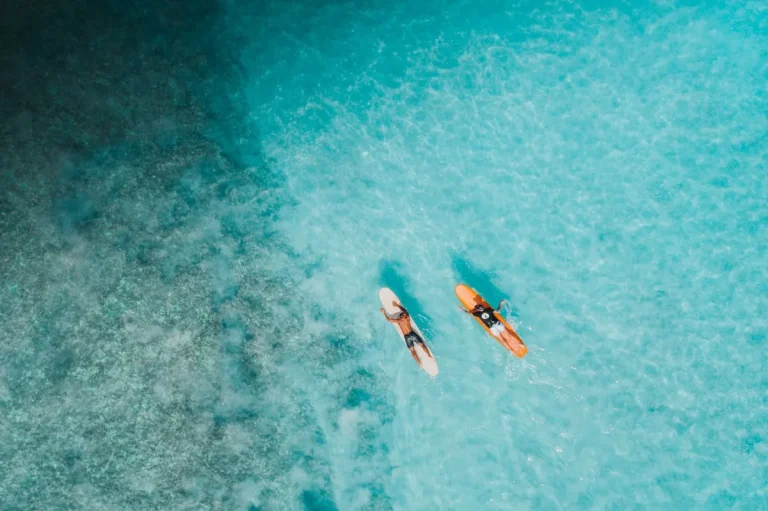
– Varied wave types suitable for skill development.
– Access to boat-only surf spots minimizing crowds.
– Ideal surf seasons with consistent swells.
Understanding Sumba’s Surf Conditions
Sumba, part of Indonesia’s East Nusa Tenggara province, is gaining popularity among surfers for its unique offerings. The surf scene here is characterized by a variety of waves that cater to different skill levels, especially those in the intermediate range. With its boat-access reef breaks and local surf culture, Sumba presents an excellent opportunity for surfers looking to enhance their skills.
Why Sumba for Intermediate Surfers?
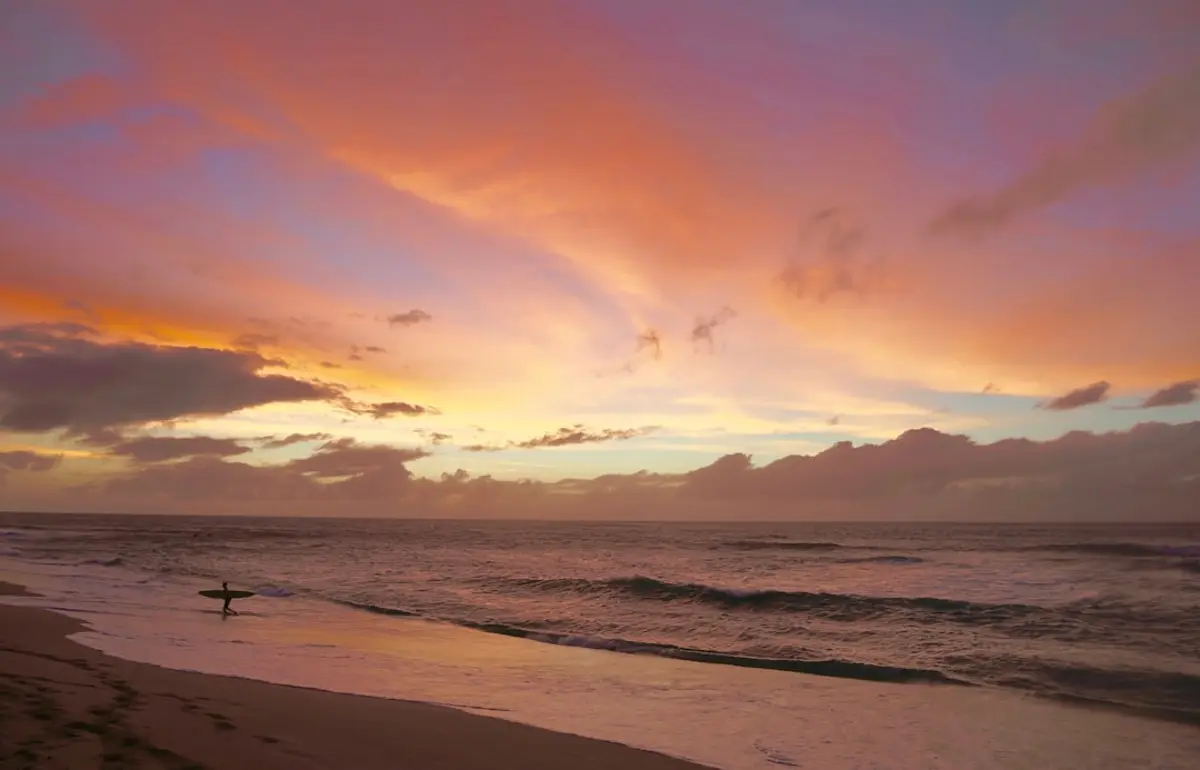
Intermediate surfers often seek waves that challenge their abilities without being overwhelming. Sumba provides just that. The surf breaks around the island offer a mix of rights and lefts, which can vary in size and power depending on the season. This versatility allows surfers to practice different maneuvers and techniques in a relatively safe environment.
Key Surf Locations for Intermediate Surfers
1. Nihiwatu: Known for its powerful waves and consistent swells, Nihiwatu is a popular spot among surfers. The waves here can reach up to 6-8 feet, making it ideal for those looking to push their limits. The reef breaks provide both left and right-hand waves, suitable for different types of maneuvers.
2. Tarimbang: This spot is famous for its long left-handers, perfect for intermediate surfers wanting to practice their turns and speed. The waves here can be friendly, allowing surfers to build confidence.
3. Marosi: A great spot for intermediate surfers, Marosi offers more forgiving waves, making it a perfect training ground. The beach break provides consistent swells and less crowded conditions, allowing for more practice time.
Surf Seasons in Sumba
Understanding the surf seasons in Sumba is crucial for any surfer planning a trip. The best time to surf is generally from April to October, with the peak season occurring from June to September. During these months, Sumba experiences consistent swells and favorable winds.
– April to June: Transition months with smaller swells, great for refining skills.
– July to September: Peak surf season with larger, more consistent waves.
– October: The tail end of the season, offering less crowded waves.
Getting to Sumba
Reaching Sumba requires some planning. Most surfers fly into Waingapu or Tambolaka, which are the two main airports on the island. From there, transportation options include local taxis or pre-arranged transport through surf charters. For surfers opting for a more immersive experience, booking a surf charter can be a seamless way to access various surf spots.
Private Surf Charters
For intermediate surfers, private surf charters along the Sumba coastline provide an optimal surf experience. These charters usually include:
– Access to remote surf breaks that are not crowded.
– Expert local guides who understand the conditions and can provide coaching.
– Flexibility in scheduling to optimize surf conditions.
Most charters operate with a daily rate, typically ranging from USD 100 to USD 150 per person, depending on the package and services included. Booking in advance is recommended, especially during peak season.
Surfing Etiquette and Local Culture
As with any surf destination, understanding local surf etiquette is essential. Respect for the locals and their customs is paramount. Here are a few tips:
– Always wait your turn in the lineup.
– Avoid dropping in on local surfers.
– Be courteous and friendly to fellow surfers.
Engaging with the local culture enhances the surfing experience and fosters a positive relationship with the community.
Exploring Nihiwatu and Surrounding Areas
Nihiwatu, located on the southwest coast of Sumba, is not only famous for its surf but also for its luxury resort, Nihi Sumba. Here, surfers can experience waves that are exclusive to resort guests, offering a unique and uncrowded surf experience. The resort provides various activities for non-surfing companions, such as horseback riding on the beach and cultural tours. A stay at Nihi Sumba starts at approximately USD 900 per night, which includes full board and select activities, making it a premium choice for those seeking luxury alongside surfing.
Budget-Friendly Options for Surfers
For surfers on a budget, there are several guesthouses and homestays in the region that offer affordable accommodations. In Waingapu, prices for a basic room can start as low as USD 20 per night. These accommodations often provide easy access to local surf spots and can arrange for guides or transportation to more remote breaks. Renting a scooter, which costs around USD 10 per day, is a convenient way to explore the island and reach various surf locations on your own schedule.
Local Cuisine and Dining Experiences
Sumba offers a variety of dining options that cater to all tastes and budgets. For a taste of local cuisine, you can visit the traditional markets in Waingapu, where you can try dishes like “Ikan Bakar” (grilled fish) or “Sate Sapi” (beef satay) for around USD 3-5. For a more upscale dining experience, the restaurants at Nihi Sumba Resort offer gourmet meals with a local twist, where a typical dinner can cost around USD 50 per person.
Transportation and Getting Around
While Sumba is a relatively large island, getting around is straightforward if you plan ahead. The main modes of transportation include renting scooters or hiring a driver for longer distances. Renting a car with a driver for a day can cost approximately USD 50-70, and it’s a convenient way to explore the more remote surf spots or scenic areas like the Weekuri Lagoon or the traditional villages near Waikabubak. Local bemos (shared minivans) are also available for short distances, usually costing less than USD 1 per ride, but may require some patience and negotiation.
Essential Tips for Surfing in Sumba
Before heading out to catch waves, here are some essential tips to ensure a safe and enjoyable surfing experience in Sumba:
– Sun Protection: The sun can be intense, so wearing a high SPF sunscreen and rash guard is essential to protect your skin.
– Reef Boots: Many of the surf breaks are over shallow reefs, so reef boots can prevent cuts and injuries.
– Hydration: Staying hydrated is crucial, especially after long surf sessions in the tropical heat. Carry a reusable water bottle to refill with safe drinking water.
– Respect the Environment: Keep beaches clean by disposing of trash properly and being mindful of the local ecosystem.
These practical tips will help you make the most of your surfing adventure in Sumba while respecting the local environment and community.